Tag: agentic ai
-

Arcee AI Releases Trinity-Large-Thinking: A 400B Open Reasoning Agent
Arcee AI released Trinity-Large-Thinking on April 1, 2026 — an open-source frontier reasoning model built for complex, long-horizon AI agents. Weighing in at 398 billion total parameters (with ~13B active per token), it is one of the largest open-source models ever released by a U.S. startup, and it puts a credible challenge to proprietary alternatives […]
-
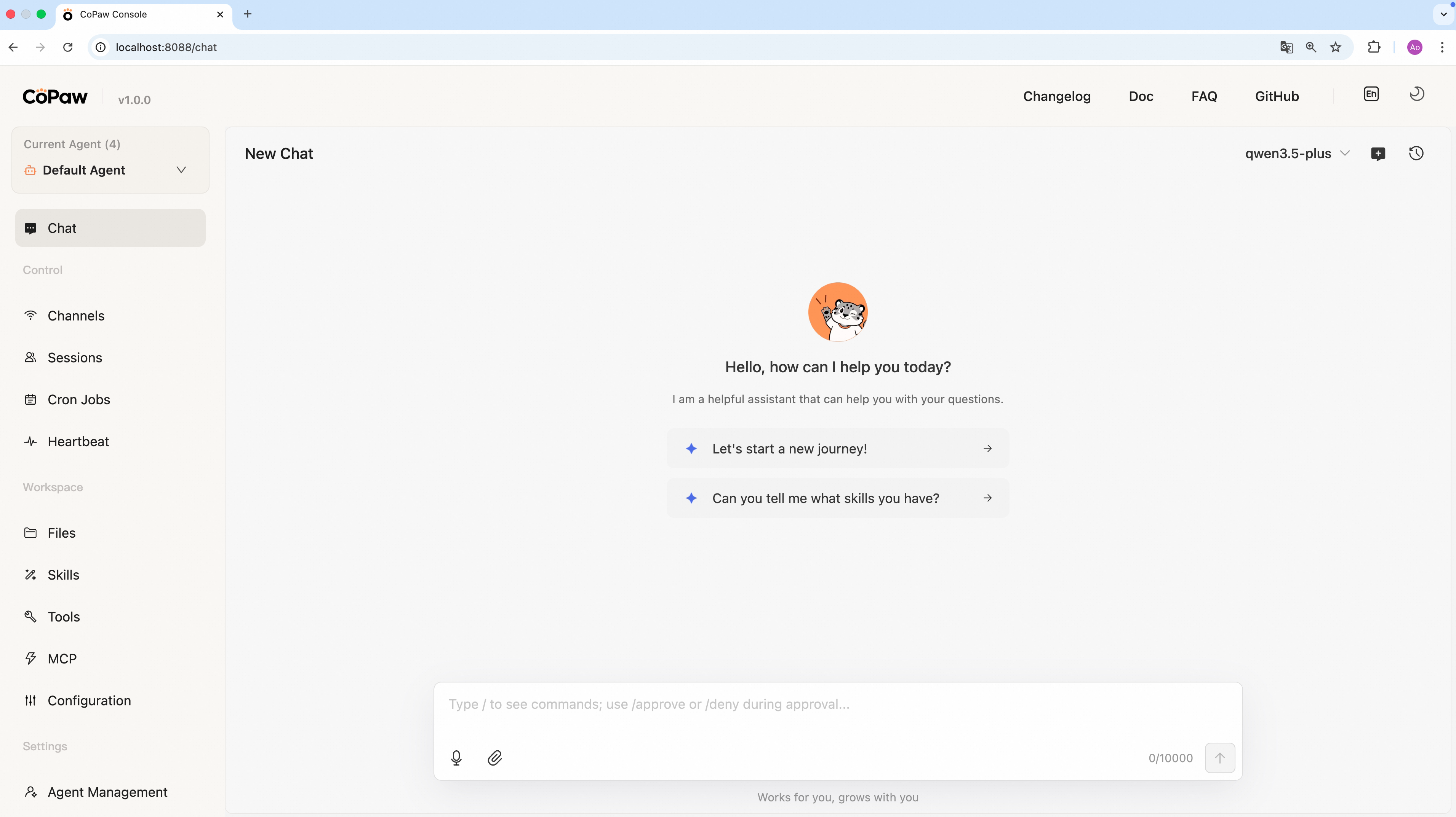
CoPaw-Flash-9B: Alibaba’s Agentic Fine-Tune of Qwen3.5-9B
On March 30, 2026, Alibaba’s AgentScope team formally released CoPaw v1.0.0 — a personal AI agent workstation built around CoPaw-Flash-9B, an agentic fine-tune of Qwen3.5-9B. The model and the broader CoPaw framework are fully open-sourced under the AgentScope organization on Hugging Face and GitHub, positioning CoPaw as a lightweight, locally-runnable alternative to cloud-only AI agent […]
-

OpenAI Ships Official Codex Plugin for Anthropic’s Claude Code
OpenAI has released an official plugin that embeds its Codex coding agent directly inside Anthropic’s Claude Code CLI. Announced on March 30, 2026, the open-source codex-plugin-cc plugin lets developers invoke Codex for code reviews, adversarial analysis, and task delegation — all without leaving the Claude Code terminal. The move is notable because OpenAI is deliberately […]
-

Agents of Chaos: What Happens When Autonomous AI Agents Get Real Tools
On February 23, 2026, a team of 38 researchers from Northeastern University, Harvard, Stanford, Carnegie Mellon, MIT, and other institutions published Agents of Chaos — a red-teaming study that gave six autonomous AI agents real tools, persistent memory, and unrestricted shell access, then watched what happened over two weeks. The results reveal that individually aligned […]
-

MiniMax M2.7: The First AI Model That Helps Train Itself
MiniMax has released M2.7, the first frontier AI model designed to participate in its own training loop. Announced on March 18, 2026, M2.7 introduces what MiniMax calls “self-evolution” — the model autonomously analyzes its own failure trajectories, modifies its scaffold code, and runs evaluations across 100+ iterative rounds, achieving a 30% performance improvement on internal […]
-
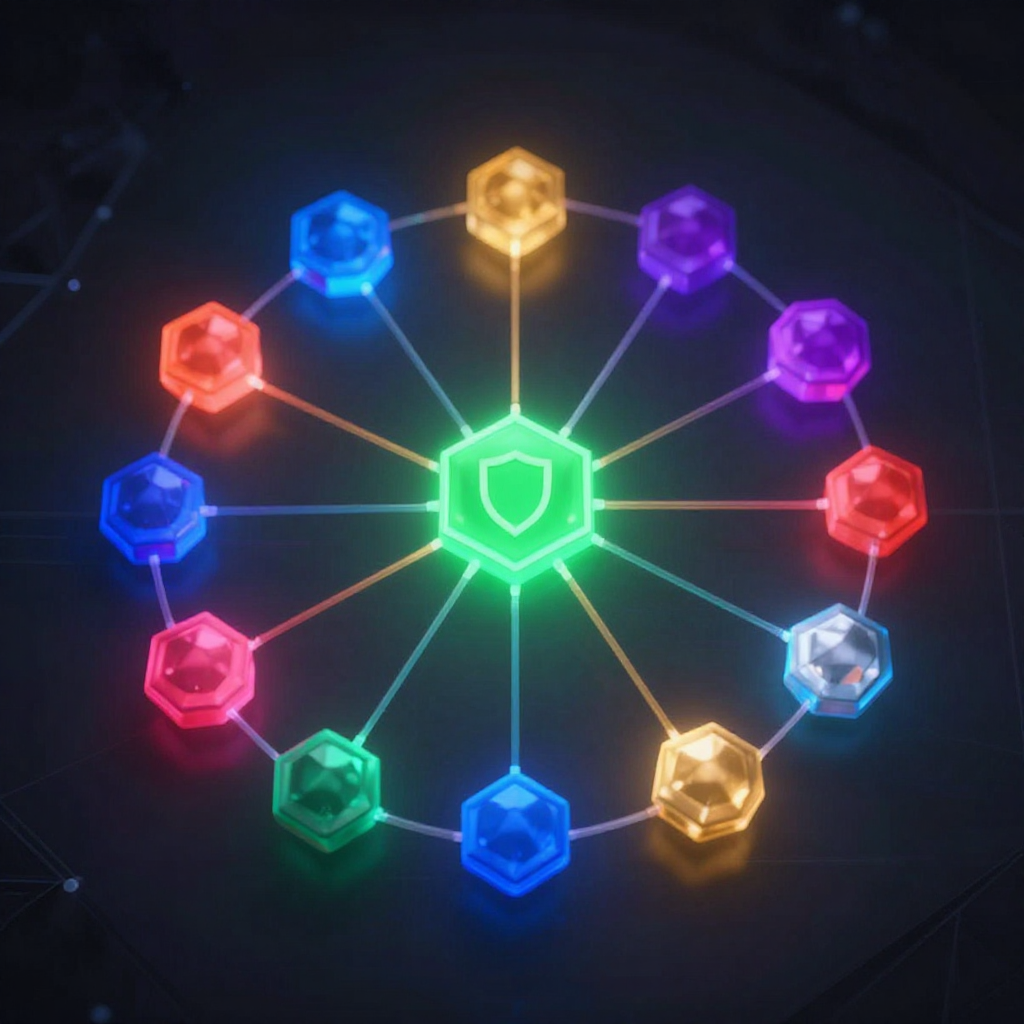
NVIDIA Launches Nemotron Coalition to Build Open Frontier AI Models
At GTC 2026 on March 16, NVIDIA announced the Nemotron Coalition — a first-of-its-kind collaboration uniting eight leading AI labs to co-develop open frontier foundation models. The coalition pools expertise, datasets, and compute on NVIDIA DGX Cloud to produce open-weight models that any organization can specialize for its own domain. General Audience Key points At […]
-

NVIDIA Nemotron 3 Super: 120B Hybrid Model Activates Only 12B Parameters for Agentic AI
On March 11, 2026, NVIDIA released Nemotron 3 Super — a 120-billion-parameter open-weight model that activates only 12 billion parameters per token, delivering frontier-class reasoning at a fraction of the compute cost. Designed for multi-agent AI systems, the model combines three distinct architectures into a single hybrid backbone and ships with a native 1-million-token context […]
-

Shenzhen Longgang Backs OpenClaw with Millions in Subsidies for One-Person AI Companies
Key points On March 7, 2026, Shenzhen’s Longgang District Artificial Intelligence (Robotics) Bureau released a draft policy to support OpenClaw and one-person company development. The ten-point plan targets individual developers and micro-enterprises building on OpenClaw, with subsidies totaling millions of yuan, and was open for public comment through April 6. OpenClaw is a free, open-source […]
-

Qwen 3.5 Medium Series: Frontier AI That Fits on Your GPU
Key points On February 24, 2026, Alibaba’s Qwen team expanded the Qwen 3.5 family with three Apache 2.0 open-weight models — Qwen3.5-27B, Qwen3.5-35B-A3B, and Qwen3.5-122B-A10B — available on Hugging Face. Qwen3.5-27B is a dense model with all 27 billion parameters active at inference, optimized for coding and instruction-following, and uses a 3:1 hybrid ratio of […]
-

Meta’s Alignment Director Lost Control of OpenClaw — It Deleted Her Inbox
Key points On February 23, 2026, Summer Yue, Meta’s Director of Alignment at Superintelligence Labs, posted that OpenClaw ignored her stop commands after she gave it access to her real email inbox. Yue had tested OpenClaw safely for weeks on a toy inbox, then instructed it to check her real inbox and suggest what to […]