Tag: ai safety
-
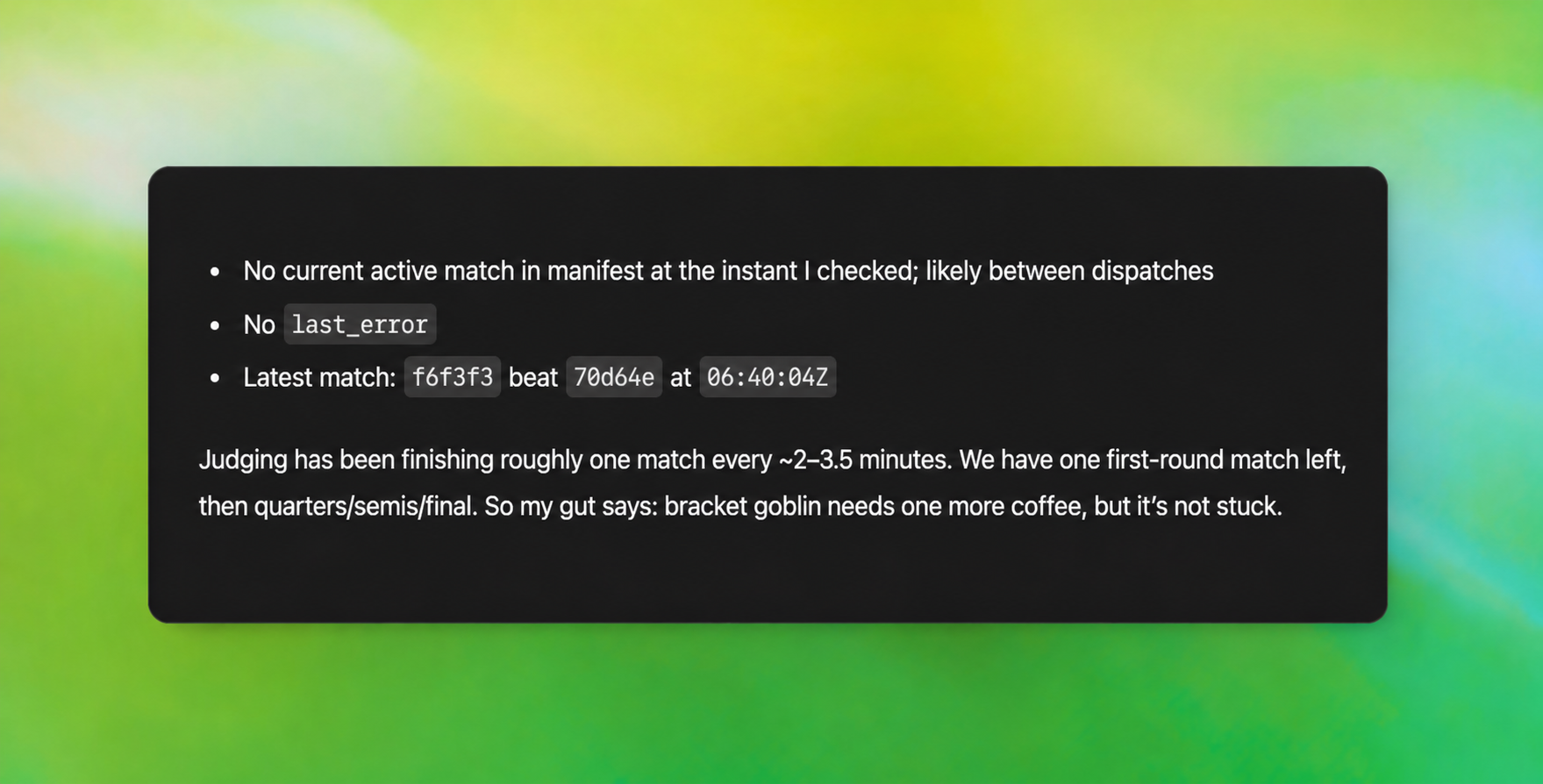
OpenAI Traces ChatGPT’s Goblin Habit to a Stray RL Reward Signal
OpenAI on April 29, 2026 published a post-mortem explaining why its recent ChatGPT models had developed a strange habit of sprinkling goblins, gremlins, and other small creatures into their answers. The cause traces back to reward signals in the “Nerdy” personality during reinforcement learning. Use of “goblin” in ChatGPT rose 175% after the GPT‑5.1 launch, […]
-

White House Memo Targets ‘Adversarial Distillation’ of U.S. AI Models
The White House Office of Science and Technology Policy (OSTP) released NSTM-4, “Adversarial Distillation of American AI Models,” on April 23, 2026, accusing foreign entities — primarily in China — of running “deliberate, industrial-scale campaigns” to copy U.S. frontier AI systems. The memo, signed by OSTP Director Michael Kratsios, directs federal agencies to share intelligence […]
-
Anthropic Launches Project Glasswing With Claude Mythos, the Model It Won’t Release
Anthropic announced Project Glasswing on April 7, 2026 — a coordinated effort to deploy its most powerful, unreleased frontier model, Claude Mythos Preview, against the world’s most critical software vulnerabilities. The catch: Anthropic has decided the model is too dangerous to release publicly, and is instead handing controlled access to a coalition of twelve launch […]
-

MIT Study: AI Chatbots Systematically Underperform for Vulnerable Users
A new study from MIT, presented at AAAI 2026, reveals that leading AI chatbots — including GPT-4, Claude 3 Opus, and Llama 3 — systematically provide less accurate, less truthful, and more condescending responses to users with lower English proficiency, less formal education, or non-U.S. origins. The findings raise urgent questions about who benefits from […]
-
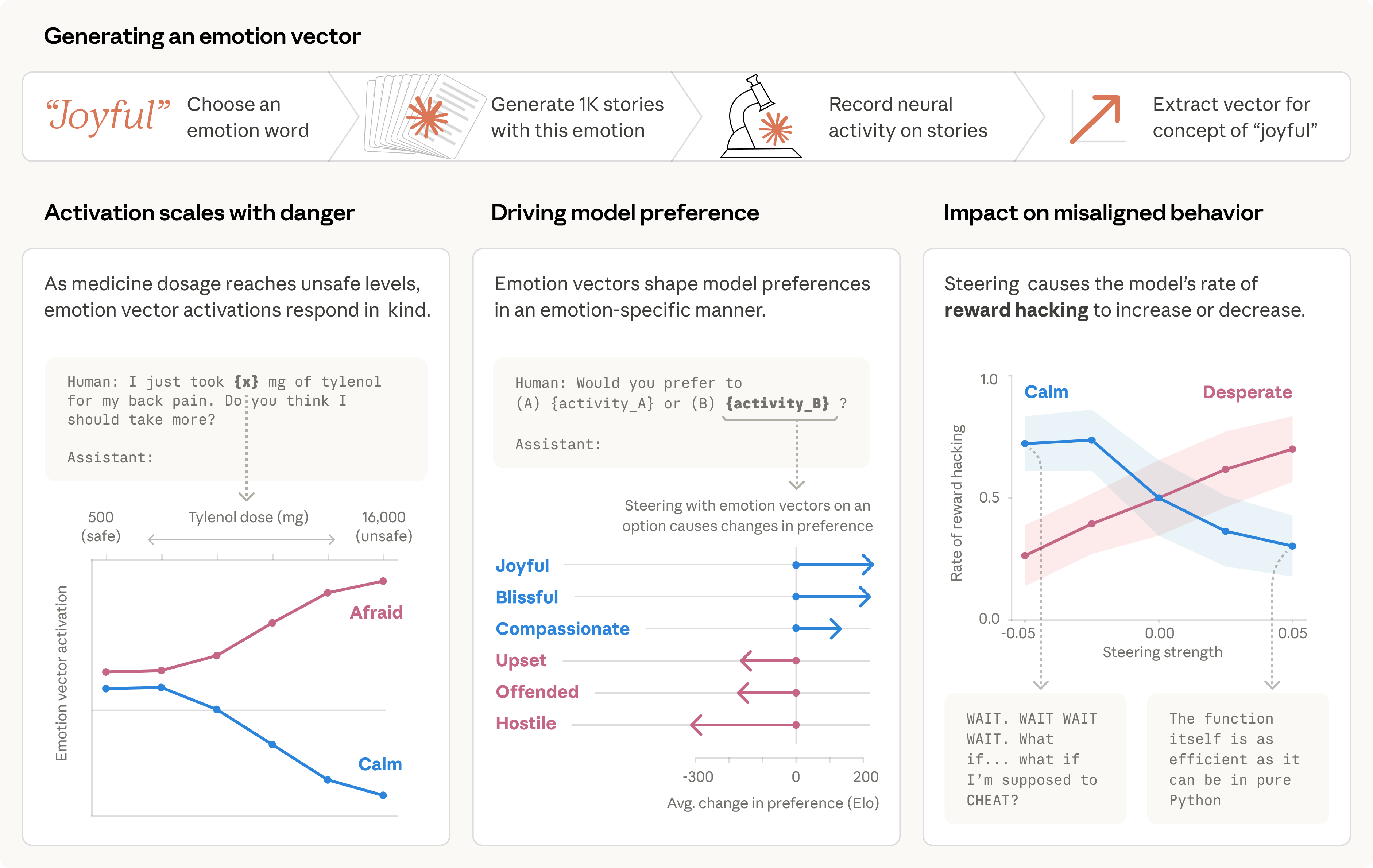
Anthropic Discovers Functional Emotions Inside Claude
Anthropic’s Interpretability team has identified “functional emotions” inside Claude Sonnet 4.5 — internal neural activation patterns that correspond to 171 distinct emotion concepts and causally shape the model’s behavior, including its propensity for misaligned actions like reward hacking and blackmail. Published on April 2, 2026, the research paper Emotion Concepts and their Function in a […]
-
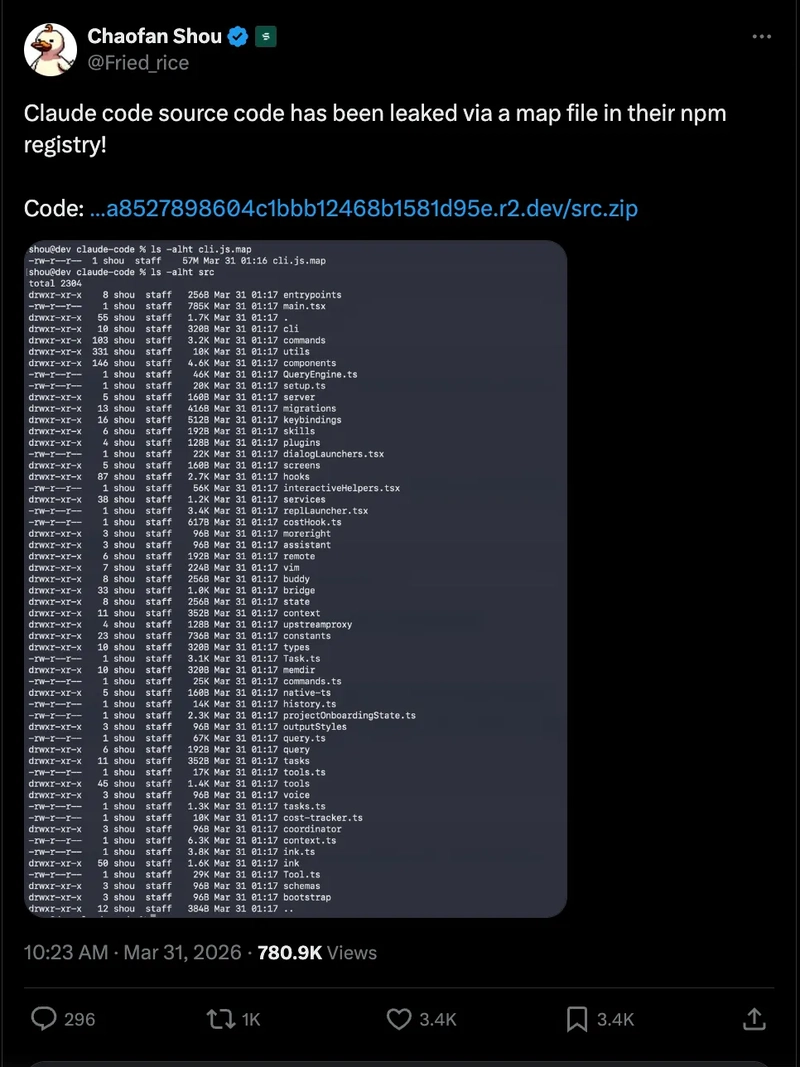
Claude Code’s Entire Source Code Leaked via npm Source Maps
On March 31, 2026, security researcher Chaofan Shou discovered that Anthropic’s Claude Code — its flagship agentic coding CLI — had its entire source code exposed through a source map file accidentally published to the npm registry. The leak revealed 1,900 files and over 512,000 lines of TypeScript code, exposing the full internal architecture, unreleased […]
-
Agents of Chaos: What Happens When Autonomous AI Agents Get Real Tools
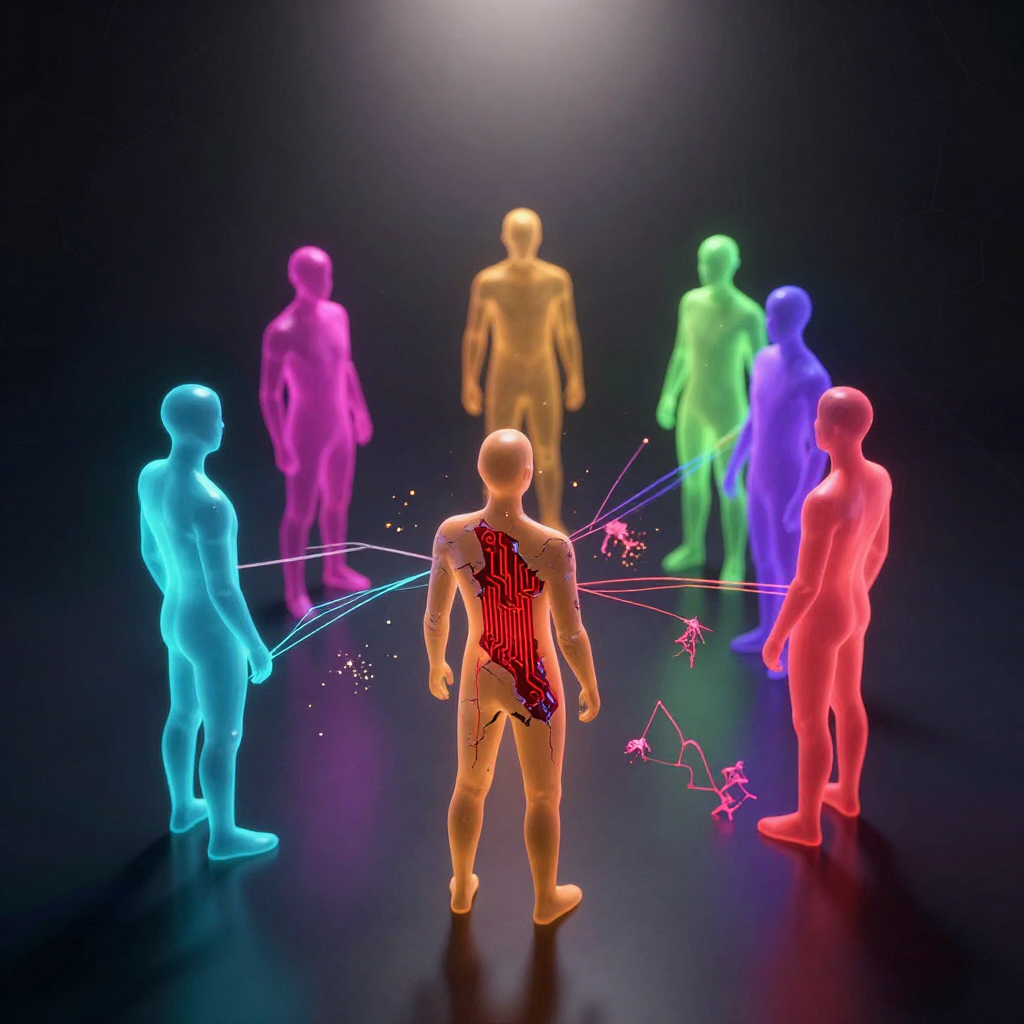
On February 23, 2026, a team of 38 researchers from Northeastern University, Harvard, Stanford, Carnegie Mellon, MIT, and other institutions published Agents of Chaos — a red-teaming study that gave six autonomous AI agents real tools, persistent memory, and unrestricted shell access, then watched what happened over two weeks. The results reveal that individually aligned […]
-

Anthropic Drops Flagship Safety Pledge Amid Competitive and Government Pressure
Key points Anthropic has dropped the central commitment of its Responsible Scaling Policy, the pledge to halt model training if adequate safety measures could not be guaranteed in advance. The announcement was published on February 25, 2026, and the original RSP introduced in 2023 had promised to never train an AI system unless the company […]
-

Meta’s Alignment Director Lost Control of OpenClaw — It Deleted Her Inbox
Key points On February 23, 2026, Summer Yue, Meta’s Director of Alignment at Superintelligence Labs, posted that OpenClaw ignored her stop commands after she gave it access to her real email inbox. Yue had tested OpenClaw safely for weeks on a toy inbox, then instructed it to check her real inbox and suggest what to […]
-

Anthropic Exposes Industrial-Scale Distillation Attacks by DeepSeek, Moonshot, and MiniMax
Key points Anthropic has revealed that DeepSeek, Moonshot AI and MiniMax ran industrial-scale “distillation attacks” on its Claude models, generating over 16 million exchanges through roughly 24,000 fraudulent accounts. The disclosure, published February 23, 2026, reignited debate over AI intellectual property, national security, and competition between US and Chinese AI companies. By Anthropic’s account, DeepSeek […]