Tag: Anthropic
-
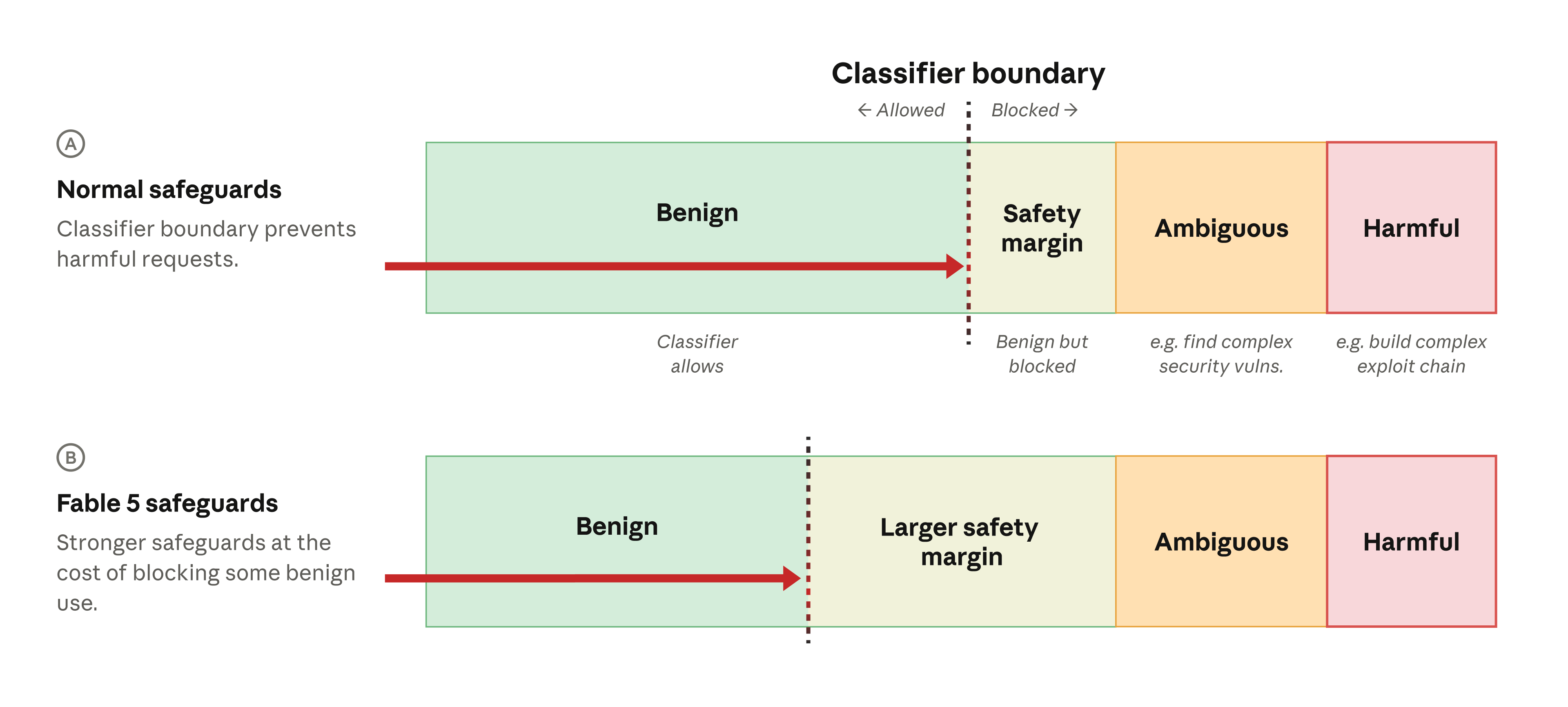
Anthropic Redeploys Claude Fable 5 as U.S. Lifts Export Controls
Anthropic began redeploying Claude Fable 5 on July 1, 2026, after the U.S. Department of Commerce lifted the export controls that had forced the company to pull its most capable public model offline for roughly three weeks. The controls were first applied on June 12 after Amazon researchers demonstrated a way to bypass Fable 5’s […]
-

Anthropic Launches Claude Sonnet 5, Closing the Gap With Opus
Anthropic released Claude Sonnet 5 on June 30, 2026 — its “most agentic Sonnet model yet,” bringing performance close to the flagship Opus 4.8 while running at a fraction of the cost. The mid-tier model posts large gains over Sonnet 4.6 in coding, reasoning, tool use, and knowledge work, and ships with introductory pricing of […]
-
Anthropic Launches Claude Tag, an AI Teammate That Lives in Slack
Anthropic launched Claude Tag on June 23, 2026 — a new way to work with Claude that turns the assistant into a persistent teammate inside Slack. Instead of opening a separate app, anyone in a channel can tag @Claude to delegate a task, ask a question, or hand off an unfinished thread. Claude breaks the […]
-

Anthropic Launches Claude Fable 5, Its First Public Mythos-Class Model
Anthropic released Claude Fable 5 on June 9, 2026 — its most capable widely released model and the first time the public can access a “Mythos-class” system that the company had previously kept behind closed doors. Fable 5 posts state-of-the-art results across coding, knowledge work, vision, and scientific research, but ships with a new layer […]
-
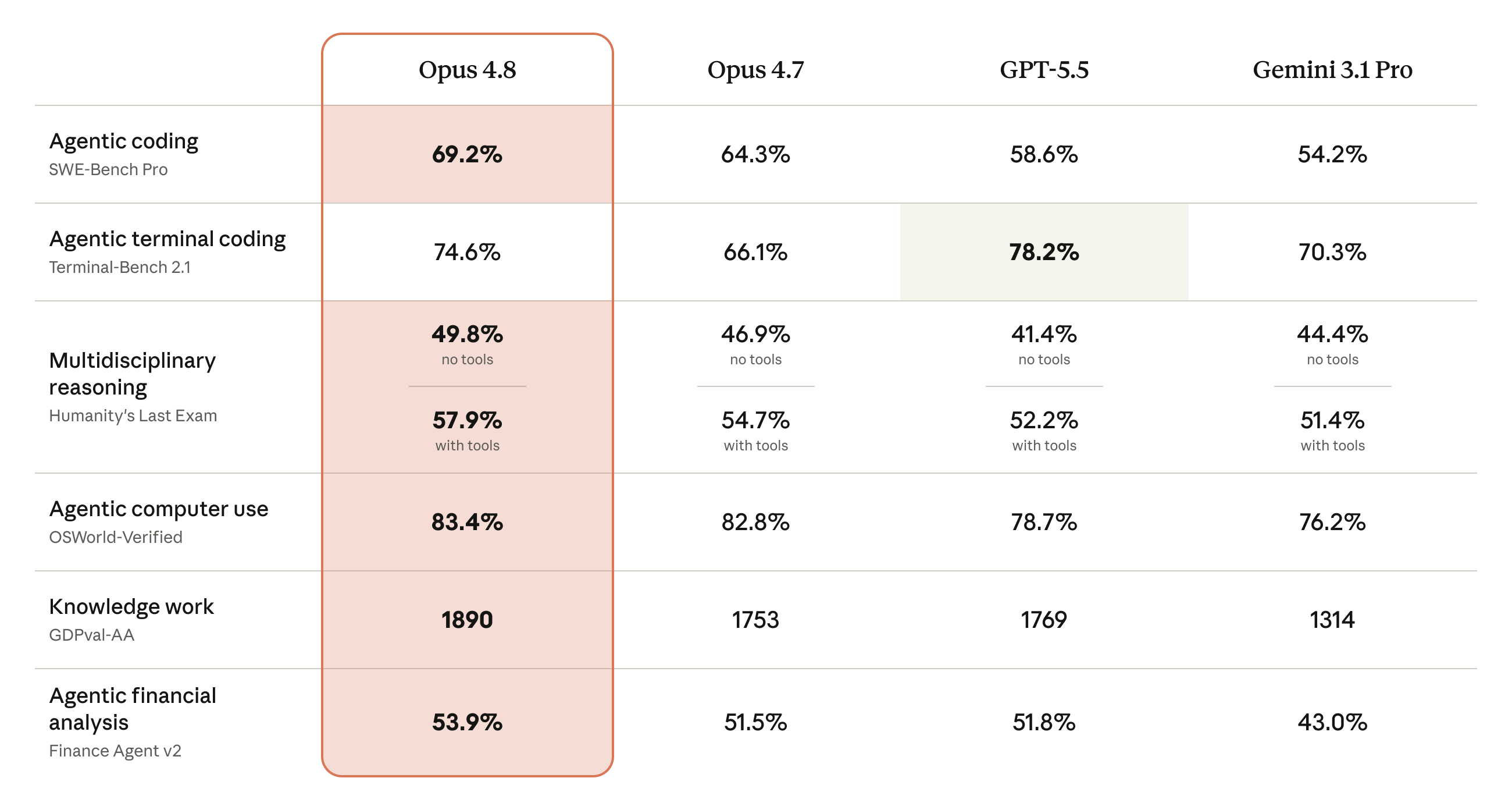
Anthropic Releases Claude Opus 4.8 for Longer Agentic Coding
Anthropic released Claude Opus 4.8 on May 28, 2026, upgrading its flagship generally available model for long-horizon coding agents, professional knowledge work, and enterprise workflows. The release is not a radical architecture reveal; its significance is more practical: better benchmark results, a cheaper fast mode, stronger self-checking behavior, and new Claude Code workflows that let […]
-
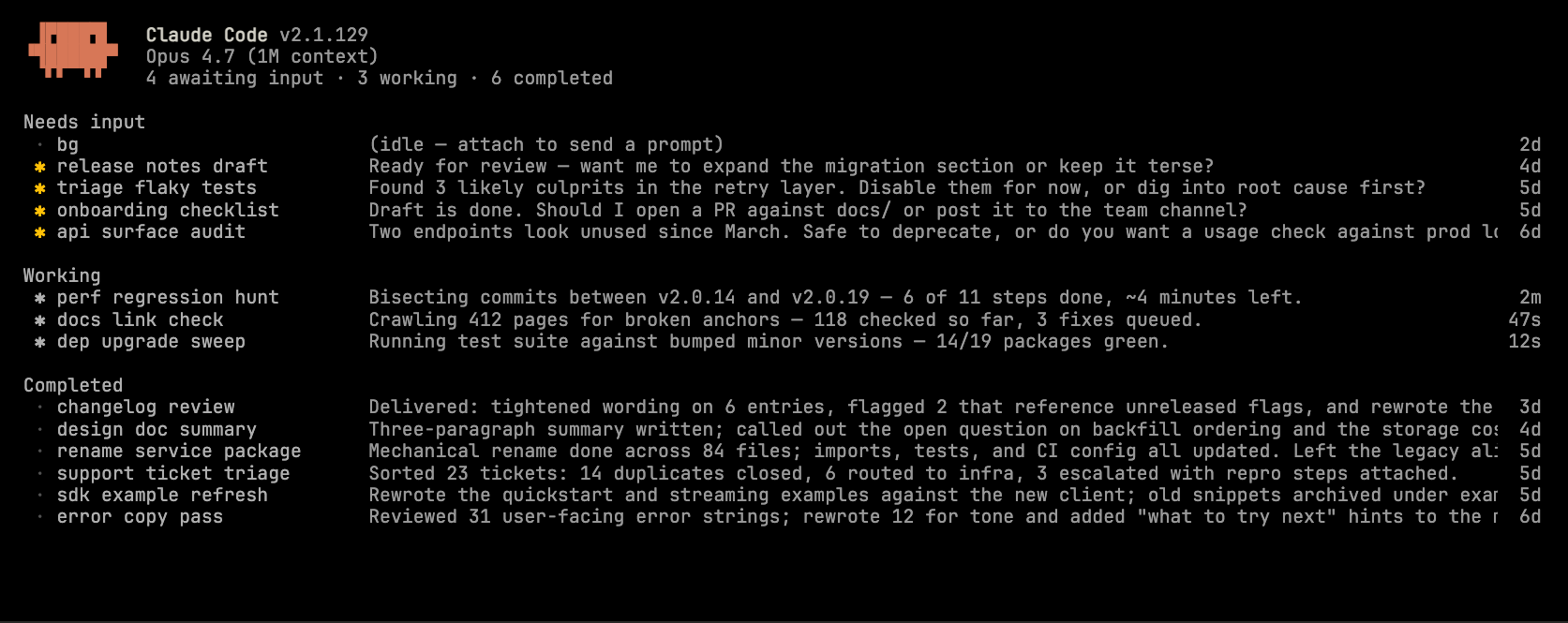
Anthropic Ships Agent View: A Multi-Session Dashboard for Claude Code
Anthropic has shipped Agent View, a research preview that turns Claude Code into a multi-session command center. Launched on May 11, 2026 and available in Claude Code v2.1.139 or later, the new claude agents view lets developers dispatch, monitor, and reply to many parallel coding sessions from a single screen — without keeping a terminal […]
-
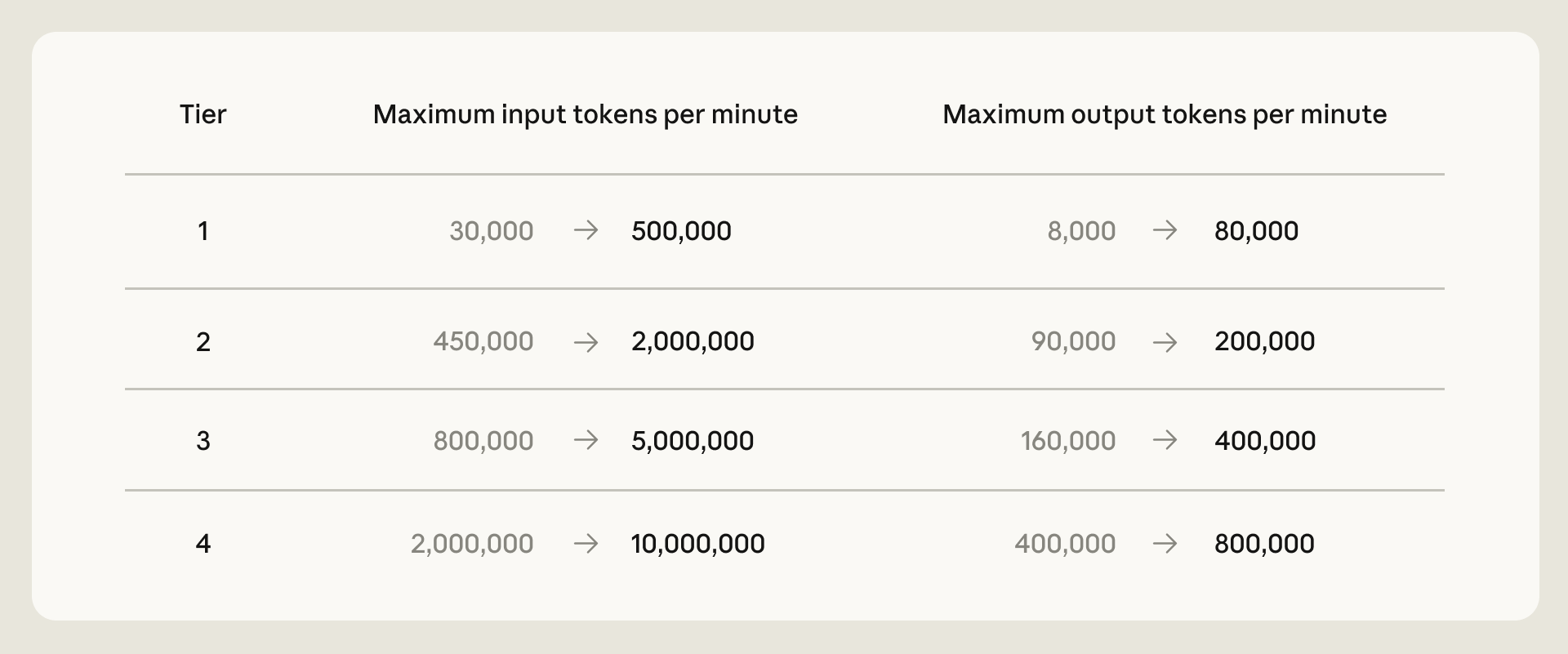
Anthropic Rents All of SpaceX’s Colossus 1 Cluster, Eyes Orbital Compute
Anthropic and SpaceX announced a compute partnership on May 6, 2026 that gives Anthropic access to all 300+ megawatts of capacity at xAI’s Colossus 1 data center in Memphis, Tennessee — a Musk-owned facility built around more than 220,000 NVIDIA GPUs. The deal lands within a month of signing, lifts usage limits for Claude Pro […]
-
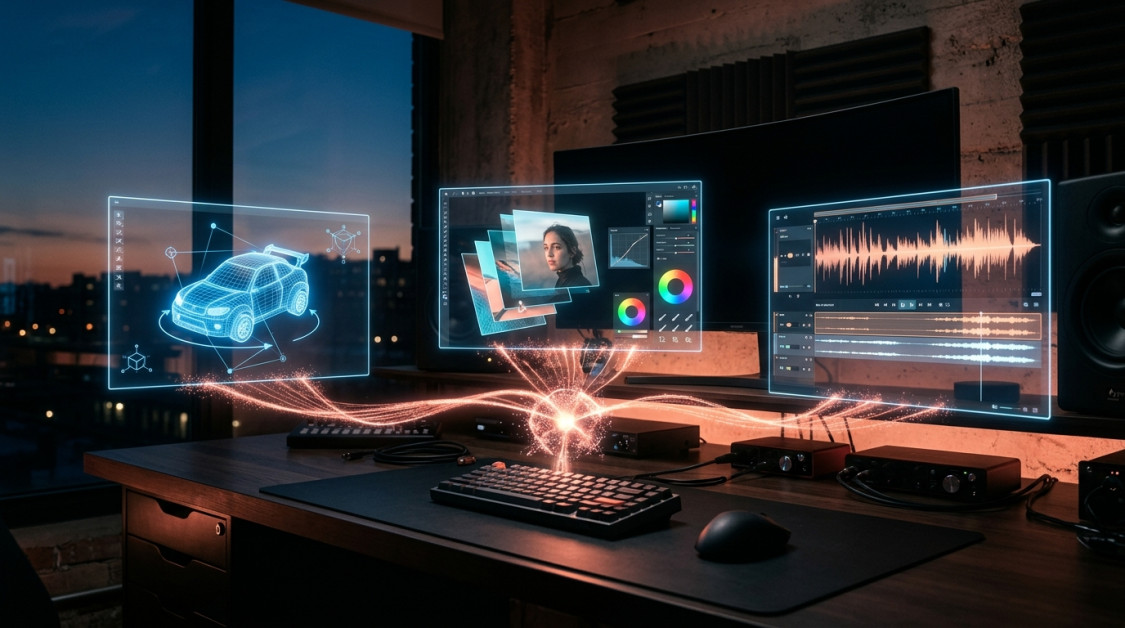
Anthropic Plugs Claude Into Adobe, Blender, and Ableton With Nine New Connectors
Anthropic released nine Claude connectors on April 28, 2026, plugging the assistant directly into the software that creative professionals already use — Adobe Creative Cloud, Blender, Ableton Live, Autodesk Fusion, Splice, SketchUp, Affinity by Canva, and Resolume’s Arena and Wire. The push reframes Claude from a generic chat tool into an orchestration layer that sits […]
-
Anthropic Releases Claude Opus 4.7 With Sharper Coding and 3x Vision Resolution
Anthropic released Claude Opus 4.7 on April 16, 2026 — a direct upgrade to Opus 4.6 that focuses almost entirely on one thing: making the model better at long, hard software engineering work. The new release posts a 13% lift on Anthropic’s internal 93-task coding benchmark, resolves roughly 3x more production-grade tasks on Rakuten-SWE-Bench, and […]
-

Anthropic’s 2026 Agentic Coding Trends Report: From Assistants to Agent Teams
Anthropic released its 2026 Agentic Coding Trends Report outlining eight predictions for how AI coding agents will reshape software development this year. The report, subtitled “How coding agents are reshaping software development,” argues that 2026 marks the shift from single AI assistants to coordinated agent teams that can run autonomously for hours or days — […]