Tag: apple
-
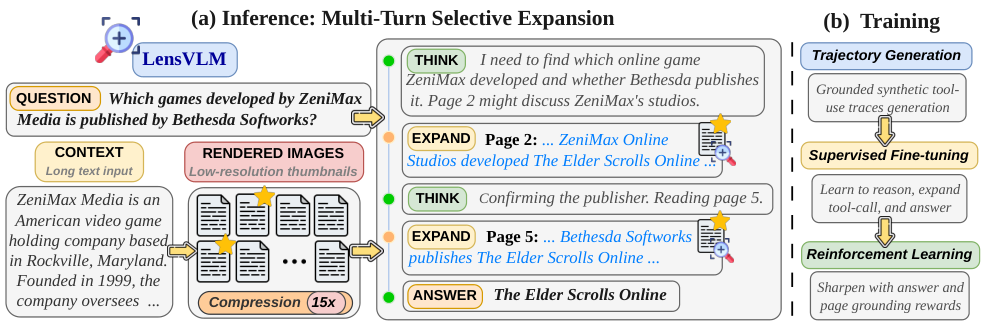
Apple’s LensVLM-9B Reads Compressed Pages, Then Zooms In
Apple has published the weights for LensVLM-9B, a vision-language model that reads long documents as heavily compressed images and zooms back in only on the pages it needs. The checkpoint went up on Hugging Face on September 21, 2026, alongside inference and evaluation code on GitHub. The paper behind it — a collaboration between Apple […]
-
macOS 27 Ships a Foundation Model at the Command Line
macOS 27 “Golden Gate” shipped on September 14, 2026, and with it a system binary at /usr/bin/fm — a command-line interface to Apple’s on-device foundation model, pre-installed, always available, and free of API keys, accounts, and per-token costs. Apple has shipped on-device models since 2024 and opened the Foundation Models framework to developers in 2025, […]
-
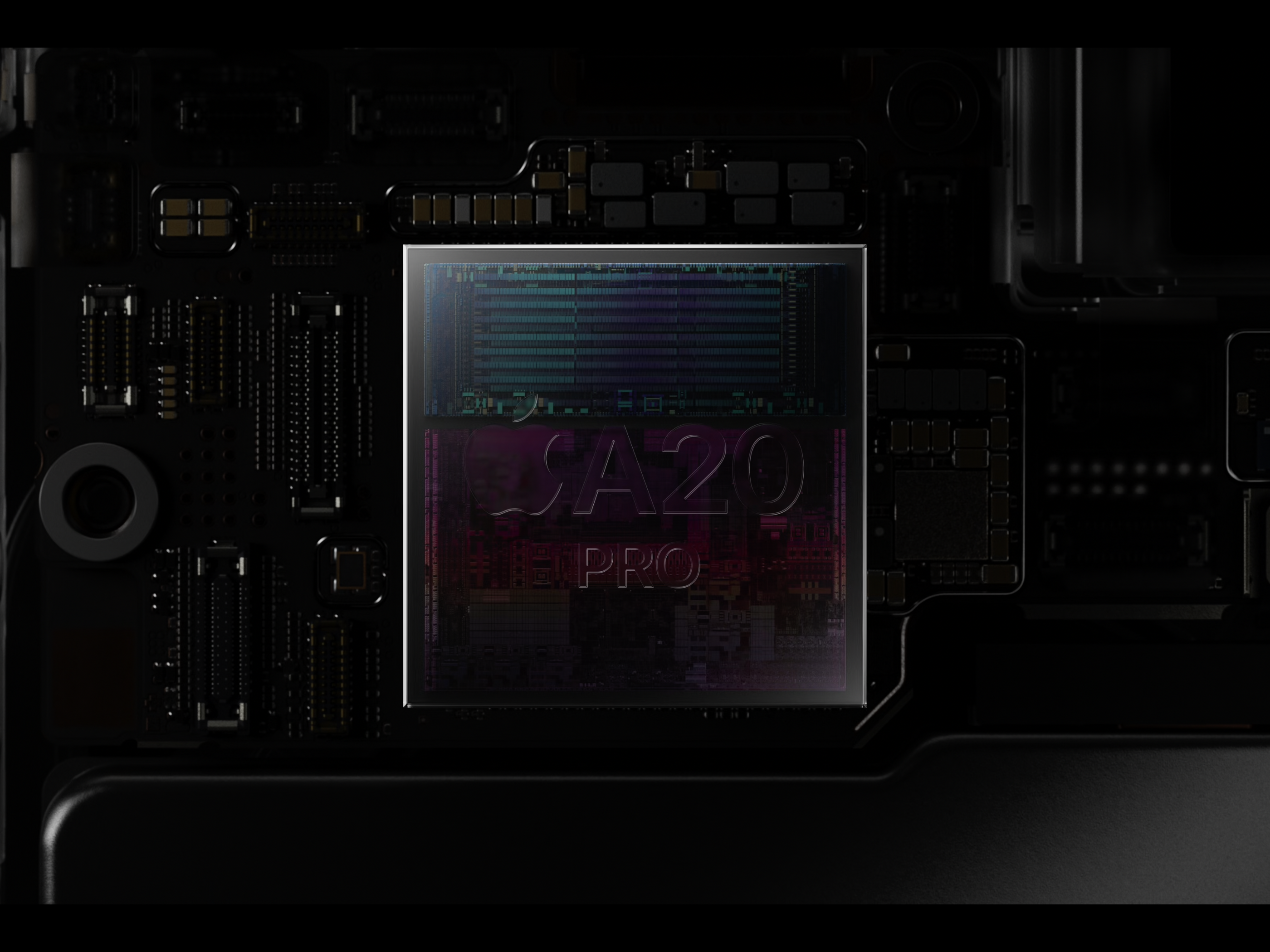
Apple’s A20 Pro Doubles the Neural Engine to 32 Cores
On September 9, 2026, Apple announced the A20 Pro — the first smartphone SoC built on a 2-nanometer process, and the first A-series chip to ship a 32-core Neural Engine. Apple describes the design as a “Dual 16-core Neural Engine” delivering double the AI processing power of the A19 Pro, paired with a 50 percent […]
-
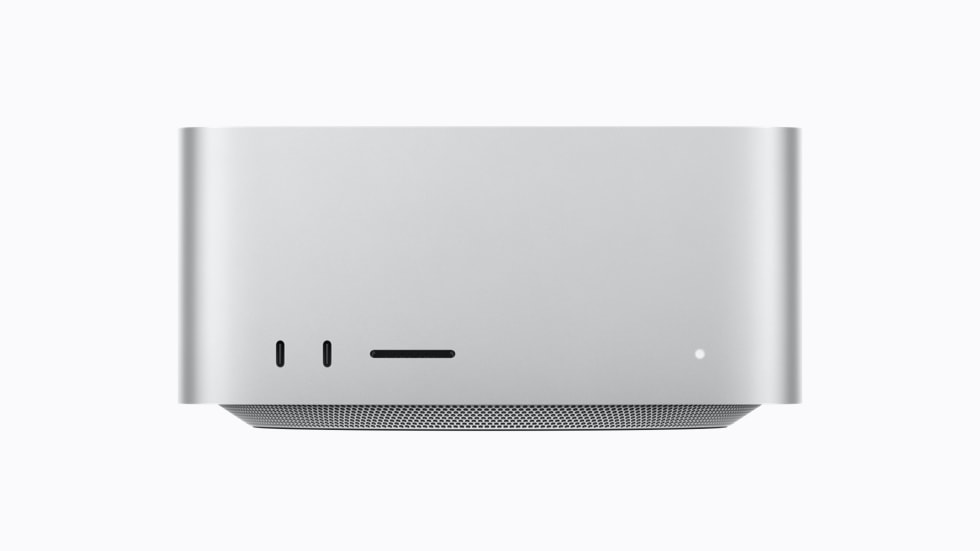
Apple’s M5 Ultra Mac Studio: 512GB of Unified Memory for Local AI
On August 25, 2026, Apple announced a new Mac Studio built around the M5 Max and the quad-die M5 Ultra — a desktop configurable with up to 512GB of unified memory and 1.2TB/s of memory bandwidth. Apple is pitching it explicitly at people running large language models locally: the company says the M5 Ultra configuration […]
-

Apple Open-Sources Its Foundation Models Framework, Adds Claude and Gemini
At WWDC 2026 on June 9, Apple announced it will open-source its Foundation Models framework — the on-device AI layer that powers Apple Intelligence — later this summer. Alongside the open-source pledge, Apple opened the framework to third-party models like Claude and Gemini, added image input, and made its newest cloud models free to small […]
-

Apple’s Simple Self-Distillation Boosts Code Generation by 30%
On April 1, 2026, Apple researchers published a paper showing that a language model can dramatically improve its own code generation by simply fine-tuning on its own unverified outputs. The method, called Simple Self-Distillation (SSD), boosted Qwen3-30B-Instruct from 42.4% to 55.3% pass@1 on LiveCodeBench v6 — a 30% relative improvement — with gains concentrating on […]
-
TinyGPU Brings NVIDIA and AMD eGPUs to Apple Silicon Macs
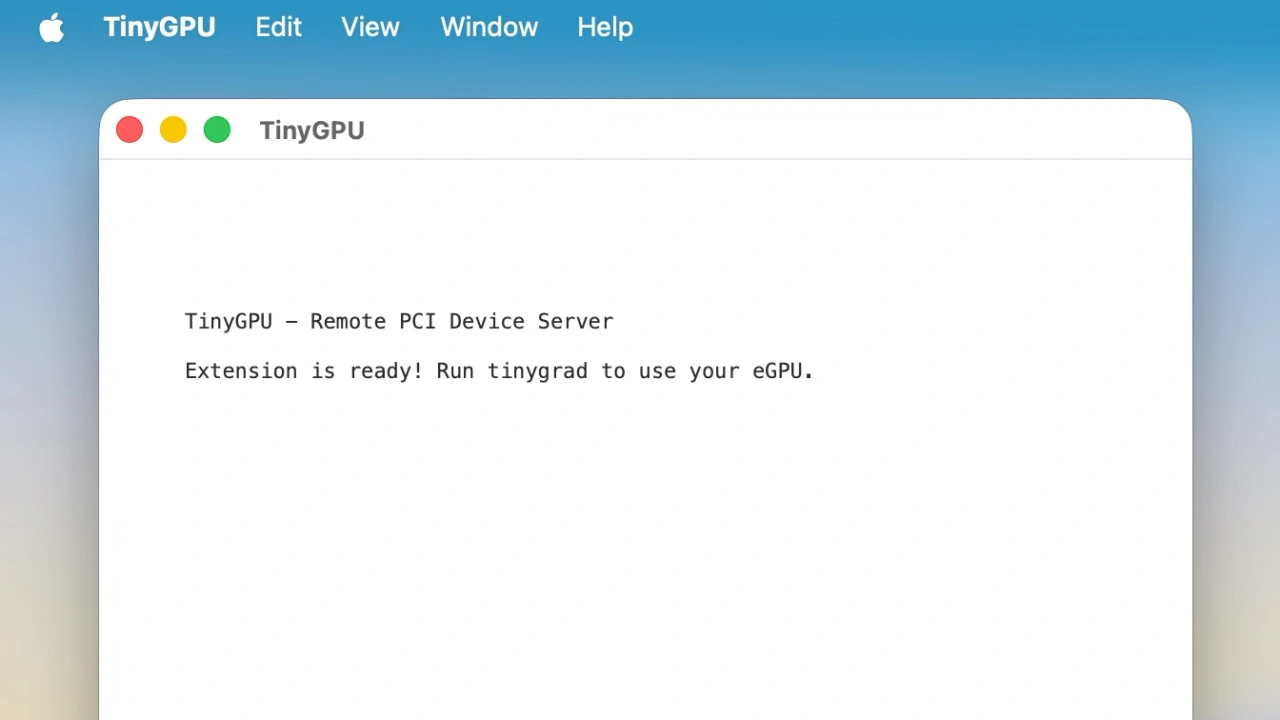
On March 31, 2026, George Hotz’s Tiny Corp announced that Apple has officially approved the TinyGPU driver extension — making it possible for Apple Silicon Mac users to run external NVIDIA and AMD GPUs over Thunderbolt/USB4 without disabling System Integrity Protection. After more than a year of engineering custom userspace GPU drivers, the approval marks […]
-

Reverse Engineering Apple’s Neural Engine to Train Transformers on M4
Key points A developer reverse-engineered Apple’s Neural Engine (ANE) on M4 silicon and used it to train a transformer model, which Apple has never officially supported. The open-source project bypasses CoreML and talks directly to the hardware through private APIs, reaching 9.3ms per training step at 1.78 TFLOPS sustained on an M4 Mac Mini running […]
-
Understanding the macOS Tahoe 26.2 Patch: Enhancing Mac Clustering Performance
Key points The article says the recent macOS Tahoe 26.2 update introduced improvements to Mac clustering, offering enhanced performance and reliability and addressing resource allocation and stability across multiple devices. It defines Mac clustering as macOS coordinating multiple devices or processes as a unified system, useful for developers, designers, and power users who rely on […]
-
Understanding Apple’s Parallel-Track MoE Architecture
Apple recently introduced a novel Parallel-Track Mixture‑of‑Experts (PT‑MoE) architecture for their server-side language models, aiming to dramatically improve scalability and efficiency while preserving model quality (machinelearning.apple.com). Key points Apple recently introduced a Parallel-Track Mixture-of-Experts (PT-MoE) architecture for its server-side language models, aiming to dramatically improve scalability and efficiency while preserving model quality. Rather than a […]