Tag: benchmark
-
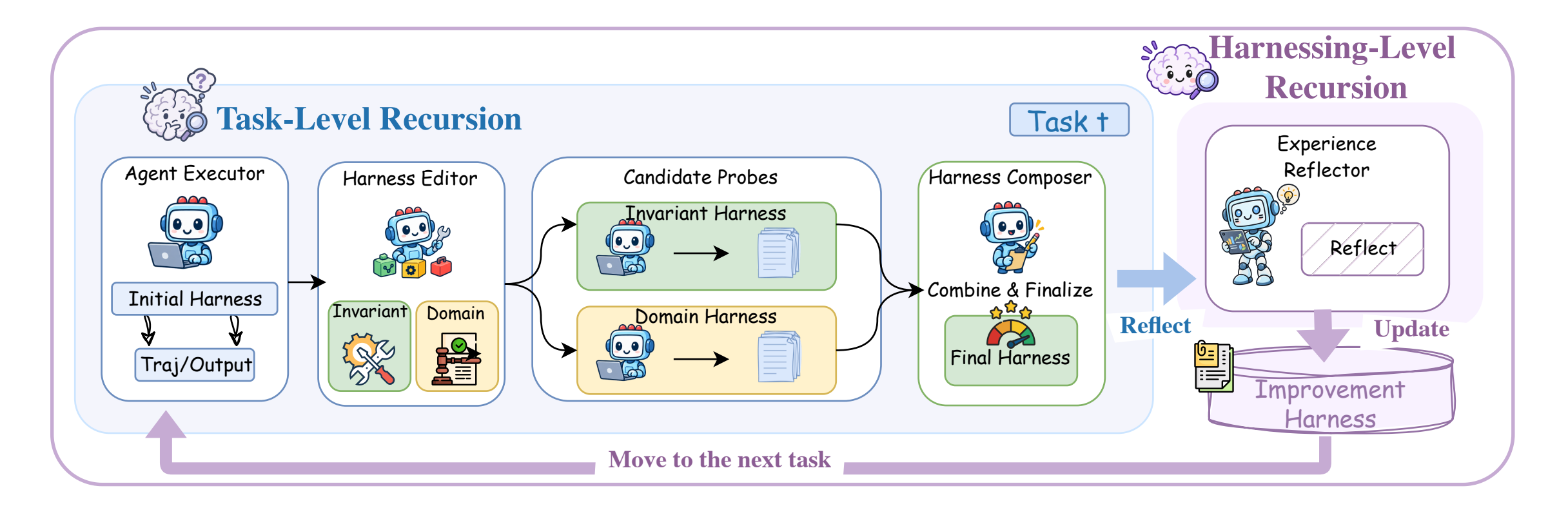
Google Open Sources Harness2 for Self-Improving AI Agents
On October 9, 2026, researchers from Google Cloud AI Research and Northwestern University posted Harness²: Recursive Agent Harnessing for an Open World and released the accompanying code on GitHub under the Apache 2.0 licence. The framework improves an AI agent’s harness — the prompts, tools, memory, skills and orchestration wrapped around a model — while […]
-
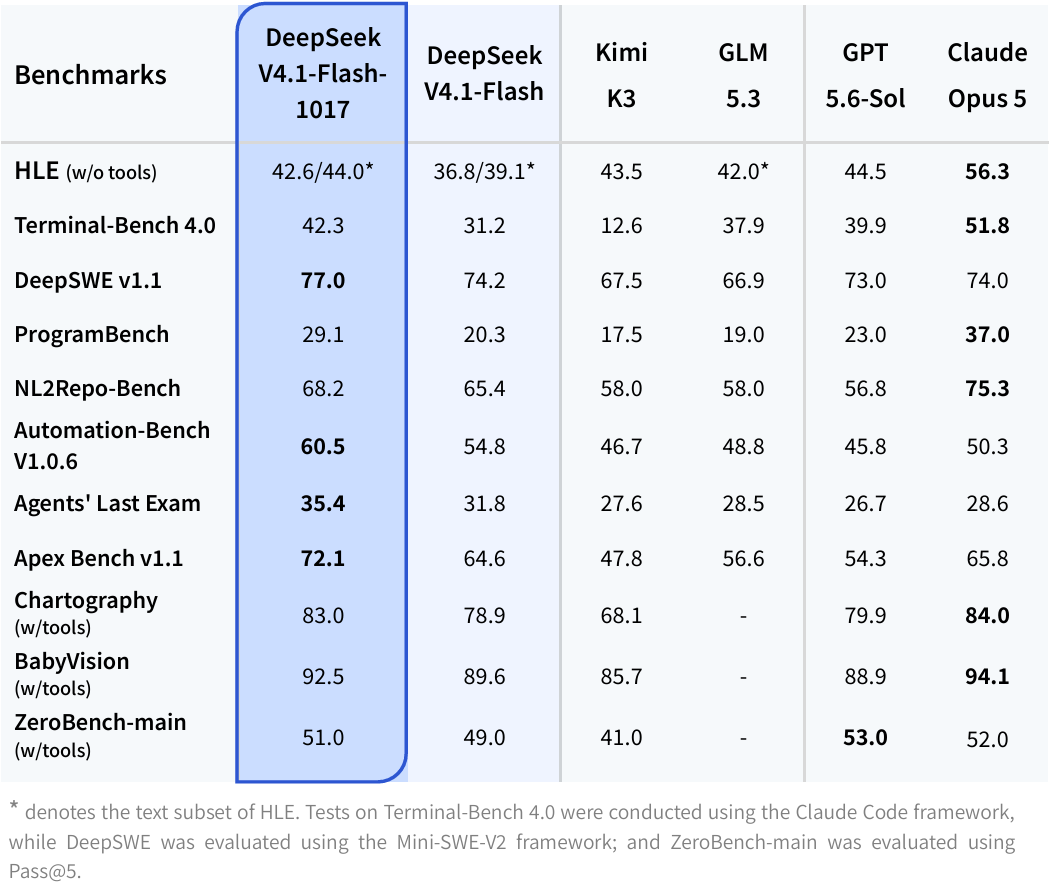
DeepSeek Ships V4.1-Flash-1017: Faster Agents, Same Price
DeepSeek replaced V4.1-Flash with DeepSeek-V4.1-Flash-1017 on October 17, 2026, shipping the new checkpoint to its website, mobile app and API the same day and publishing MIT-licensed weights on Hugging Face and ModelScope. DeepSeek calls it a minor update; it improves all eleven benchmarks in the company’s comparison table, shortens outputs, and leaves API pricing unchanged. […]
-

Gemini 4 Argon Goes Global With a 1M-Token Output Limit
Lead — On October 13, 2026, Google opened general access to Gemini 4 Argon, the frontier model it announced on September 30 for long-horizon work in software engineering, enterprise knowledge work, and cyber defense. Argon is now available to developers and enterprises through the Gemini API in AI Studio and the Gemini platform, to Google […]
-
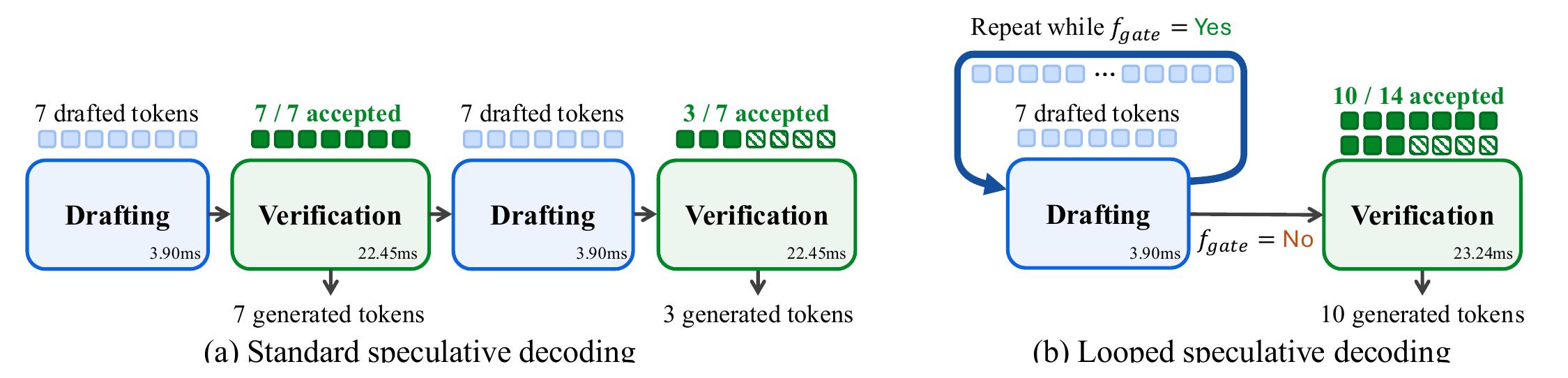
DLoop: Looped Speculative Decoding Cuts Target-Model Passes
NAVER AI Lab has proposed DLoop, a change to speculative decoding that lets a single verification pass cover several rounds of drafting instead of just one. In a preprint posted to arXiv on October 6, 2026, the team reports wall-clock speedups 5 to 41 percent higher than the draft models it builds on — EAGLE-3, […]
-
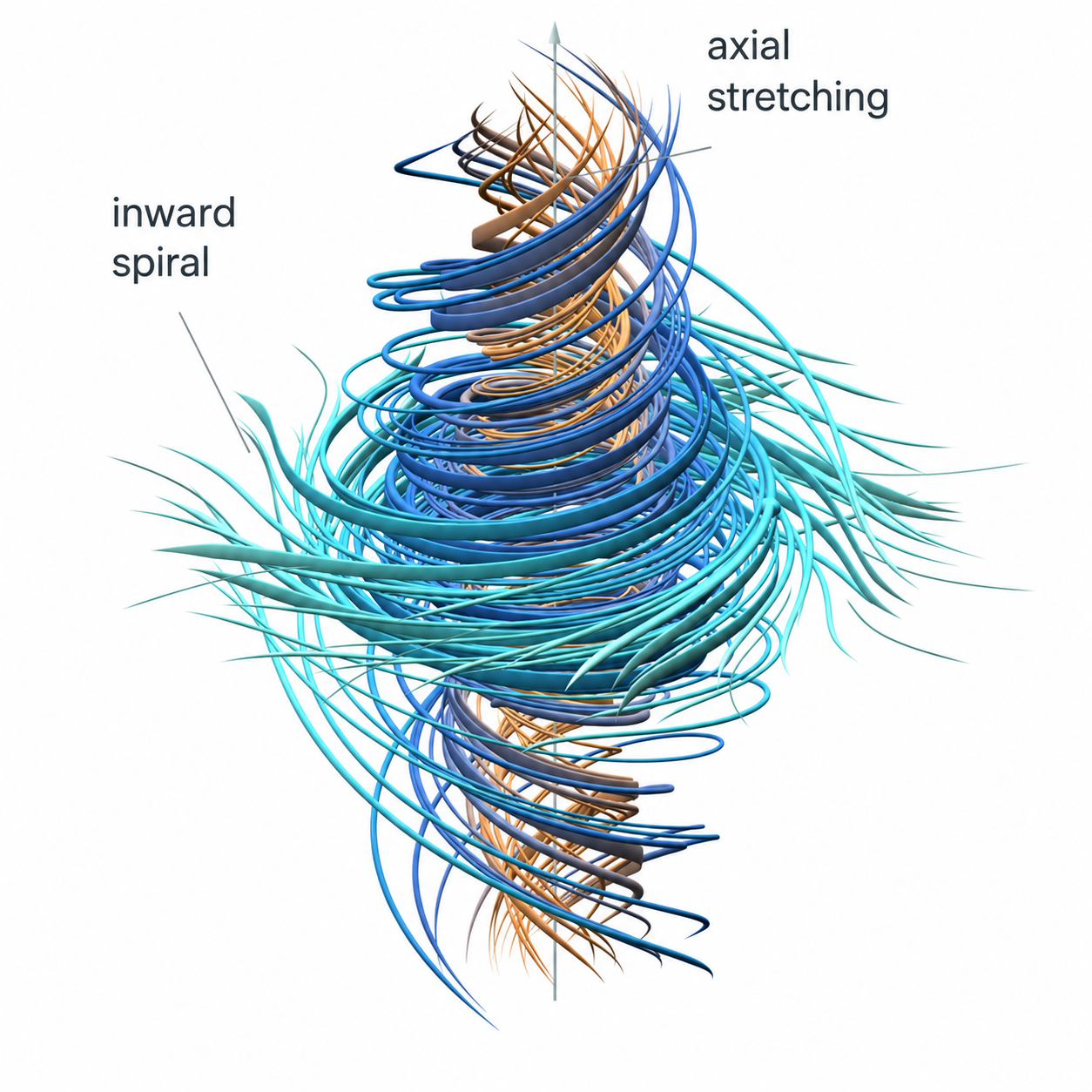
OpenAI Drops 722 Math Manuscripts From an Unreleased Model
On October 6, 2026, OpenAI published 722 mathematical manuscripts — grouped into 372 result families — that it says were produced by an unreleased internal frontier model, covering open problems in mathematics, theoretical computer science, and physics. The company posted them to a public GitHub repository under an Apache-2.0 license with computer-checkable Lean proofs for […]
-
OpenAI Releases GPT-6 Sol and Luna at Half the Price
OpenAI released GPT‑6 Sol and GPT‑6 Luna on September 22, 2026, three weeks after it launched the flagship GPT‑6 Astra. Sol is the mid-tier model and Luna the low-cost one. Both cost half as much in the API as the GPT‑5.6 models they replace: Sol is $2 per million input tokens and $10 per million […]
-
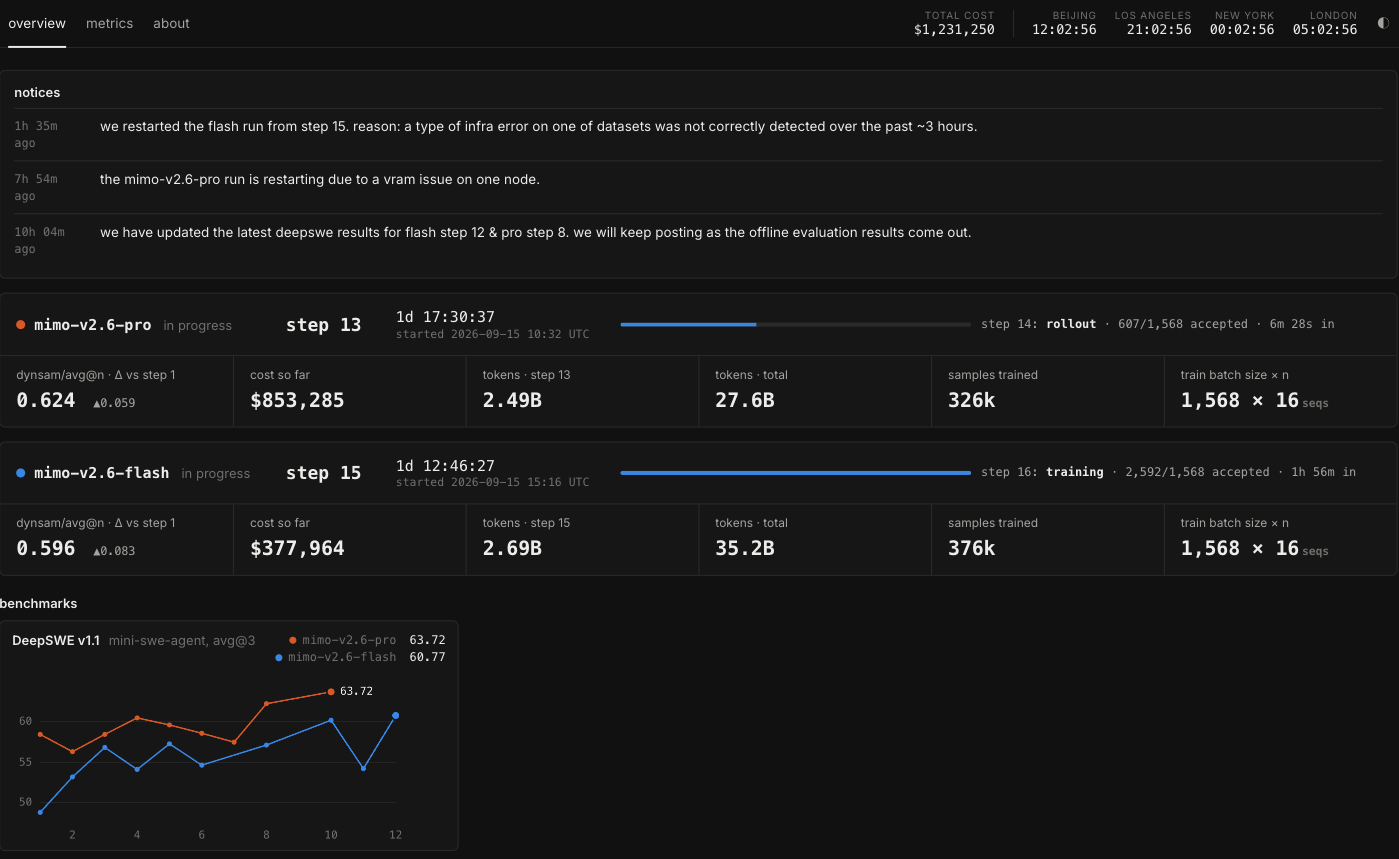
Xiaomi Streams MiMo-V2.6 Reinforcement Learning Runs Live
Xiaomi’s MiMo team is running the reinforcement learning (RL) stage of its next models in public. A dashboard at mimo.xiaomi.com/rl streams metrics from two runs, mimo-v2.6-pro and mimo-v2.6-flash, as they happen. Both runs started on September 15, 2026. The page shows reward curves, rollout counts, step timings, running compute cost and mid-training coding scores. The […]
-
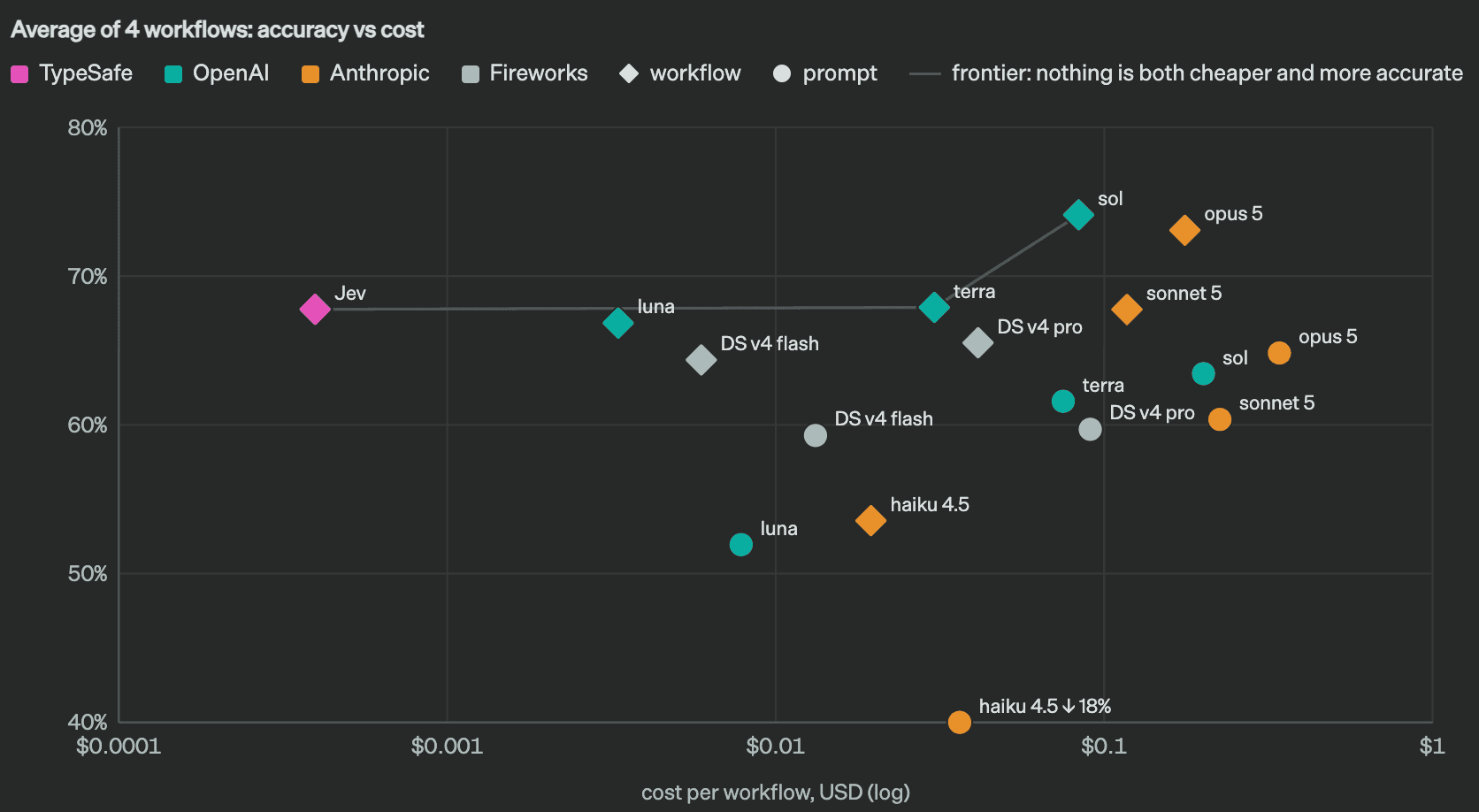
TypeSafe AI Launches Jev, a Model That Returns Decisions, Not Text
On September 15, 2026, TypeSafe AI came out of two years in stealth with Jev, a model that does not generate text at all. Instead of writing a reply, Jev takes unstructured input and returns typed decisions with probabilities attached. Each output is picked from a set of options the developer defines in advance. TypeSafe […]
-
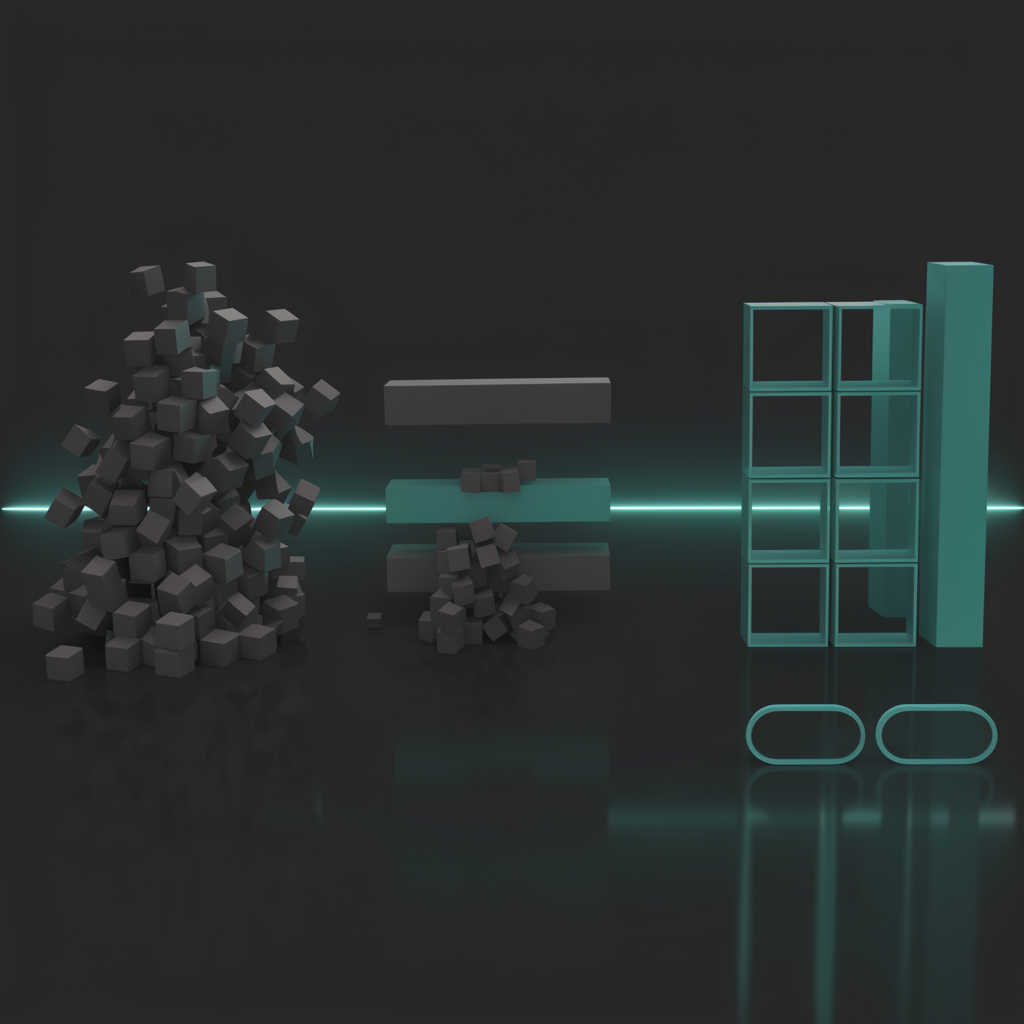
Thesys Releases OUI-1, a Diffusion Model That Writes UI Screens
Lead — On September 8, 2026, Thesys released OUI-1, a fine-tune of Google’s DiffusionGemma 26B-A4B that does one narrow thing: it writes user-interface screens in openui-lang, the declarative language behind the MIT-licensed OpenUI project. The model scores 71.7% on the Generative UI Benchmark against 13.0% for its base checkpoint — a 5.5x improvement — while […]
-
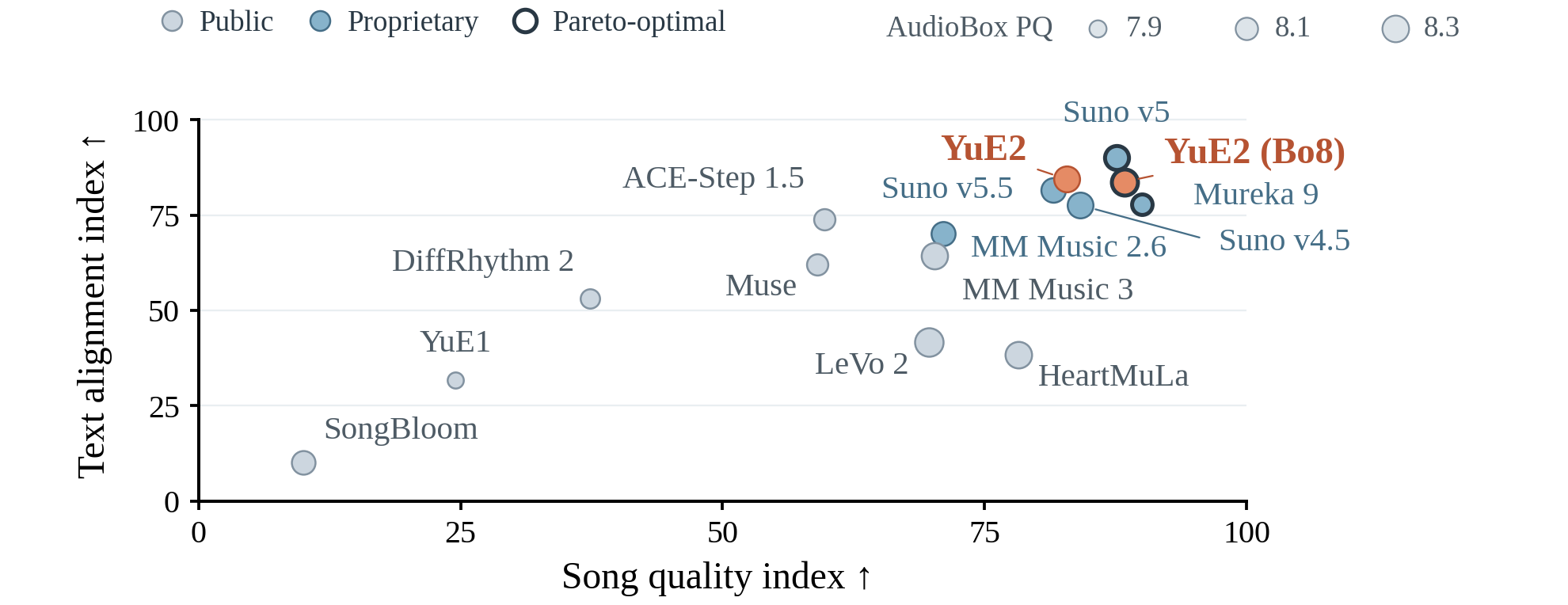
YuE2 Matches Suno v5 on Open Weights — With a Score You Can Edit
Multimodal Art Projection (M·A·P) published the weights for YuE2 on September 10, 2026 — a roughly 3.6-billion-parameter music generation model that turns a style prompt and lyrics into a complete 48 kHz stereo song, and, unusually, exposes the melody and chords it wrote as an editable score before rendering any audio. On WildSongBench, a 192-prompt […]