Tag: computer vision
-
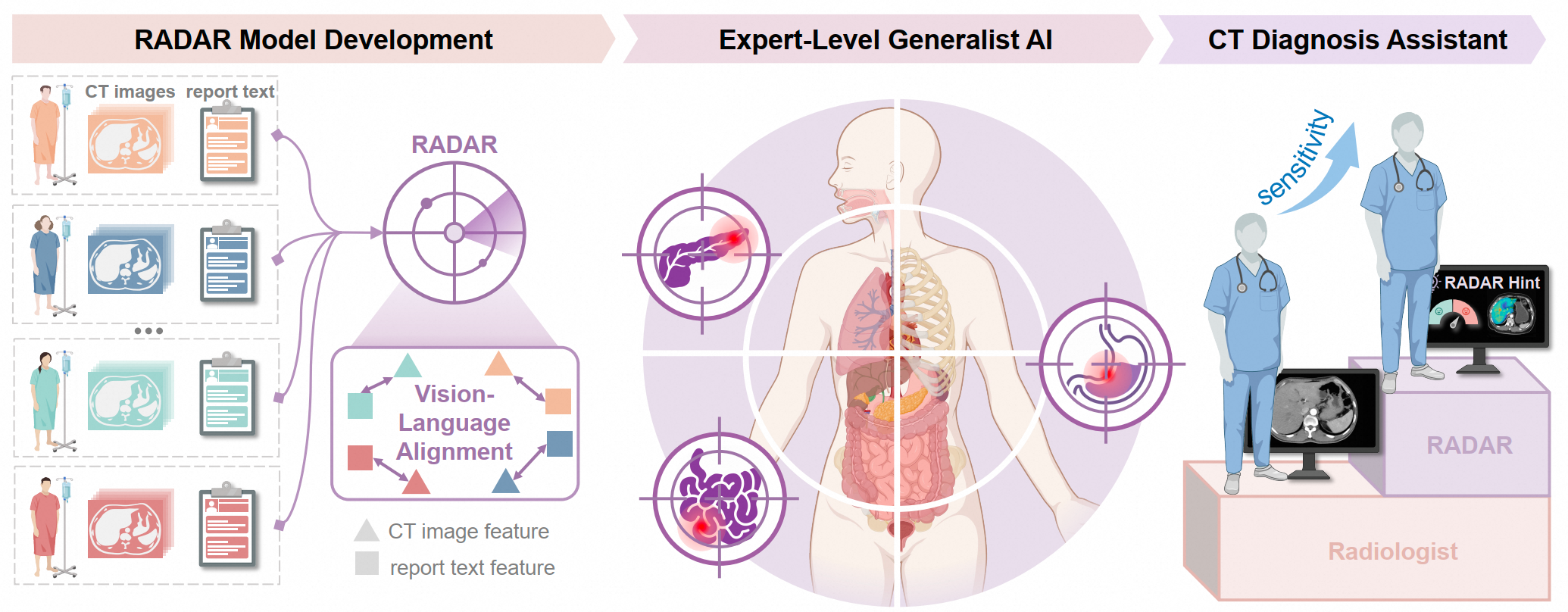
Alibaba’s DAMO RADAR Beats Most Radiologists on CT Scans
Alibaba’s DAMO Academy has open-sourced RADAR, a vision-language AI model that reads abdominal CT scans and flags nearly 150 clinical findings — including cancers — in a single pass. Published in Science on September 18, 2026, the model averaged an AUC of 0.913 across 146 findings in real-world testing and outperformed 23 of 26 expert […]
-
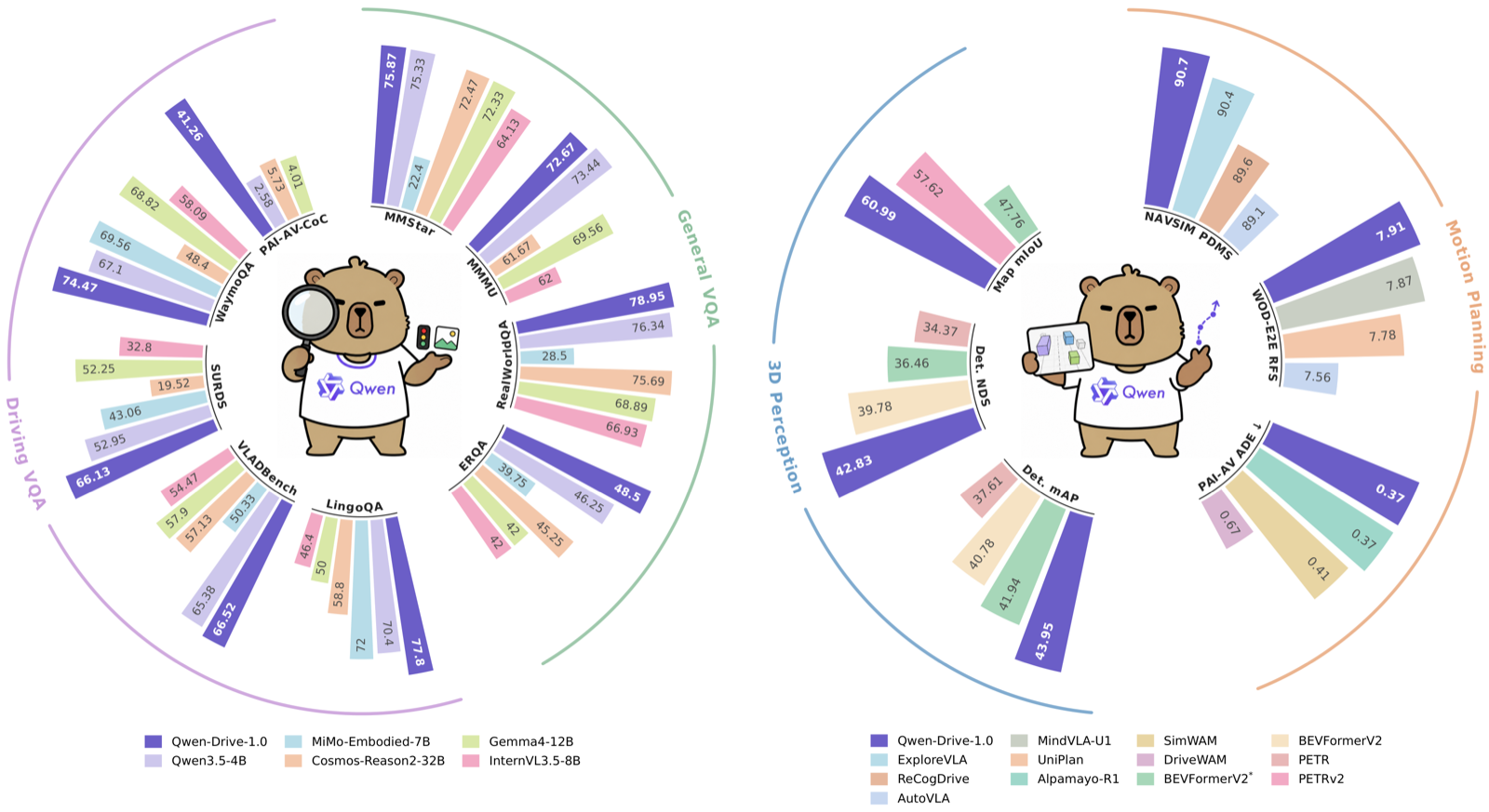
Qwen-Drive-1.0-4B: Alibaba Open-Weights a Driving Foundation Model
Alibaba’s Qwen team released Qwen-Drive-1.0-4B on September 7, 2026 — an open-weight vision-language foundation model for autonomous driving that puts 3D perception, driving question-answering, and motion planning inside a single 5-billion-parameter system. Developed with Huazhong University of Science and Technology and published under Apache 2.0 on Hugging Face, ModelScope, and GitHub, it is the Qwen […]
-
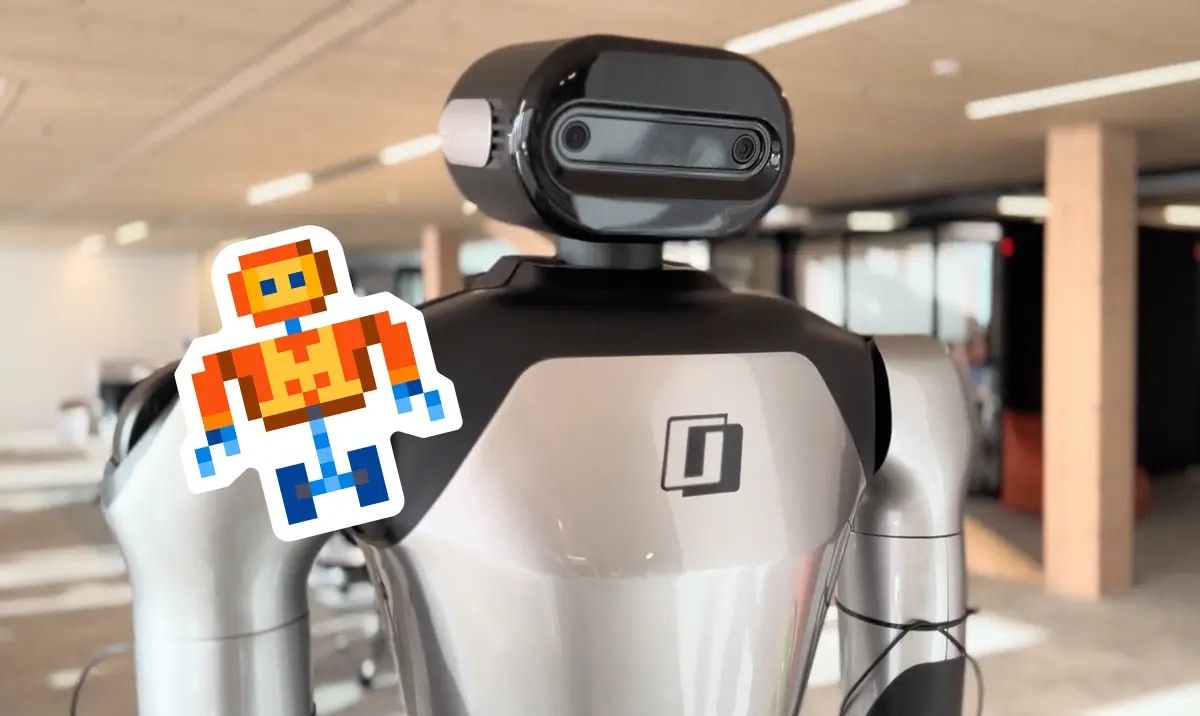
Mistral Releases Robostral Navigate: Single-Camera Robot Navigation
On July 8, 2026, Mistral AI announced Robostral Navigate — the company’s first embodied navigation model and its formal entry into physical AI. The 8-billion-parameter model guides robots through complex environments using nothing but a single RGB camera and natural language instructions — no LiDAR, no depth sensors, and no pre-built maps. It sets a […]
-

Tencent Open-Sources HY-World 2.0: A Multi-Modal 3D World Model
On April 15, 2026, Tencent open-sourced HY-World 2.0, a multi-modal world model framework that can reconstruct, generate, and simulate 3D worlds from text, images, or video. Unlike video-based world models that produce flat, non-editable pixel sequences, HY-World 2.0 outputs real 3D assets — meshes, Gaussian splattings, and point clouds — that can be directly imported […]
-

World Labs Releases Marble 1.1: Auto-Expanding 3D World Generation
On April 2, 2026, World Labs — the spatial AI company co-founded by Stanford professor Fei-Fei Li — released Marble 1.1 and Marble 1.1 Plus, two upgraded versions of its generative 3D world model. Marble 1.1 replaces the original as the default model with improved visual fidelity, while 1.1 Plus introduces automatic spatial expansion that […]
-

LG AI Research Unveils EXAONE 4.5: A Vision-Language Model for the Physical AI Era
At Mobile World Congress 2026 in Barcelona, LG AI Research announced EXAONE 4.5 — the next generation of its open-weight AI model series. Unlike its predecessors, EXAONE 4.5 is a vision-language model (VLM) that can process both text and images simultaneously, marking LG’s biggest step yet into multimodal AI. The model is expected to launch […]
-

Microsoft Releases Phi-4-Reasoning-Vision-15B: Small Model, Big Vision
Key points Microsoft released Phi-4-reasoning-vision-15B on March 4, 2026, a compact open-weight multimodal model that combines high-resolution visual perception with selective reasoning. It uses a mid-fusion architecture pairing a SigLIP-2 Naflex vision encoder, which processes up to 3,600 visual tokens at dynamic resolution, with the Phi-4-Reasoning language backbone. About 80% of training data uses <nothink> […]
-
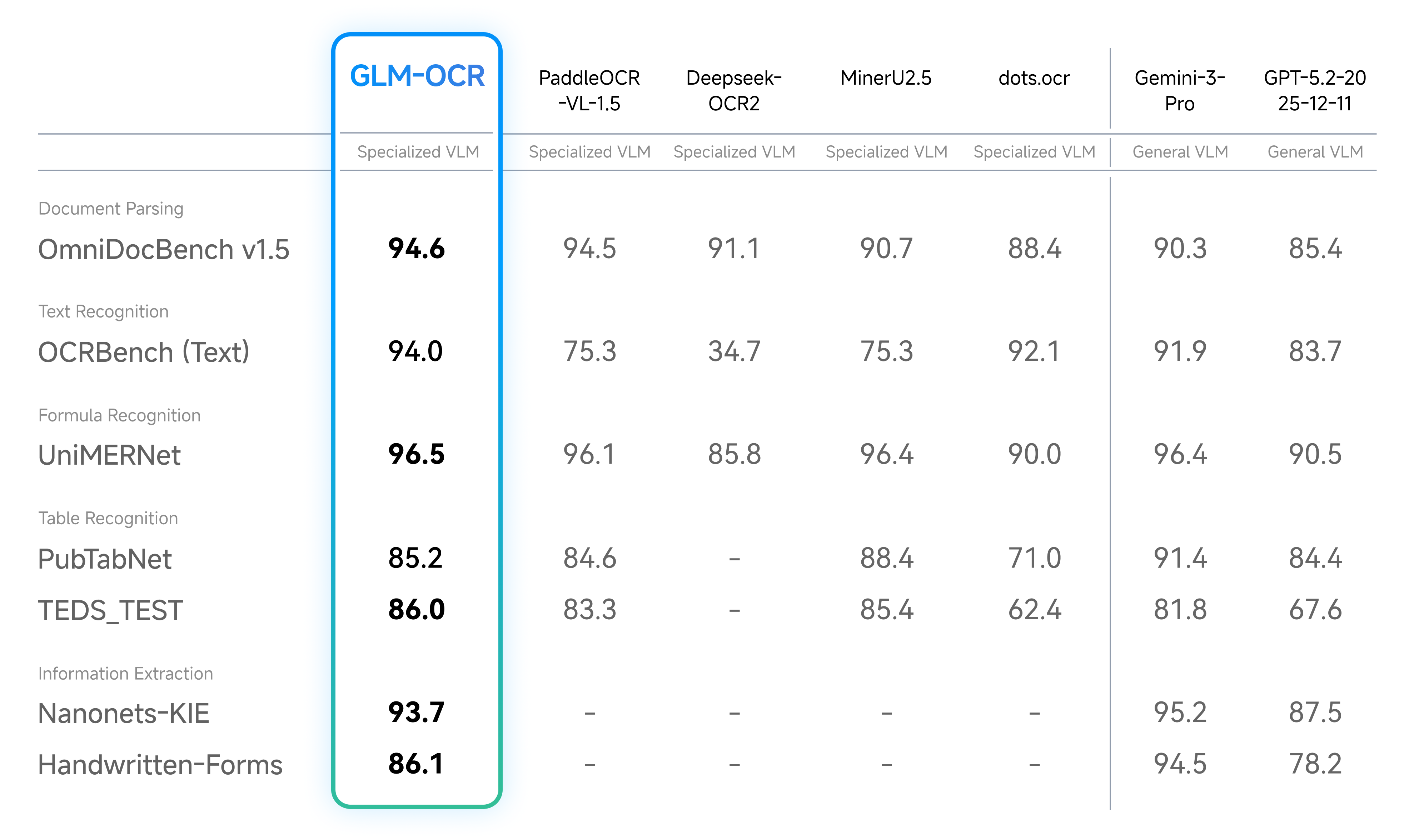
GLM-OCR: Z.ai’s 0.9B Model Takes the Top Spot on Document Understanding Benchmarks
Key points Z.ai has open-sourced GLM-OCR, a compact multimodal model with 0.9 billion parameters that ranks first on OmniDocBench V1.5 with a score of 94.62. GLM-OCR is a multimodal optical character recognition model developed by Z.ai, the commercial arm of ZhipuAI, and designed specifically for complex document understanding. It supports three core recognition modes: general […]
-
Hi3DGen: The New State‑of‑the‑Art for Image‑to‑3D Mesh Generation 🎯
Meet Hi3DGen, a groundbreaking framework developed by researchers from The Chinese University of Hong Kong, ByteDance, and Tsinghua University. It’s currently setting the bar high as the state‑of‑the‑art (SOTA) method for generating high‑fidelity 3D geometry from single images. Key points Hi3DGen is a framework developed by researchers from The Chinese University of Hong Kong, ByteDance, […]