Tag: cybersecurity
-
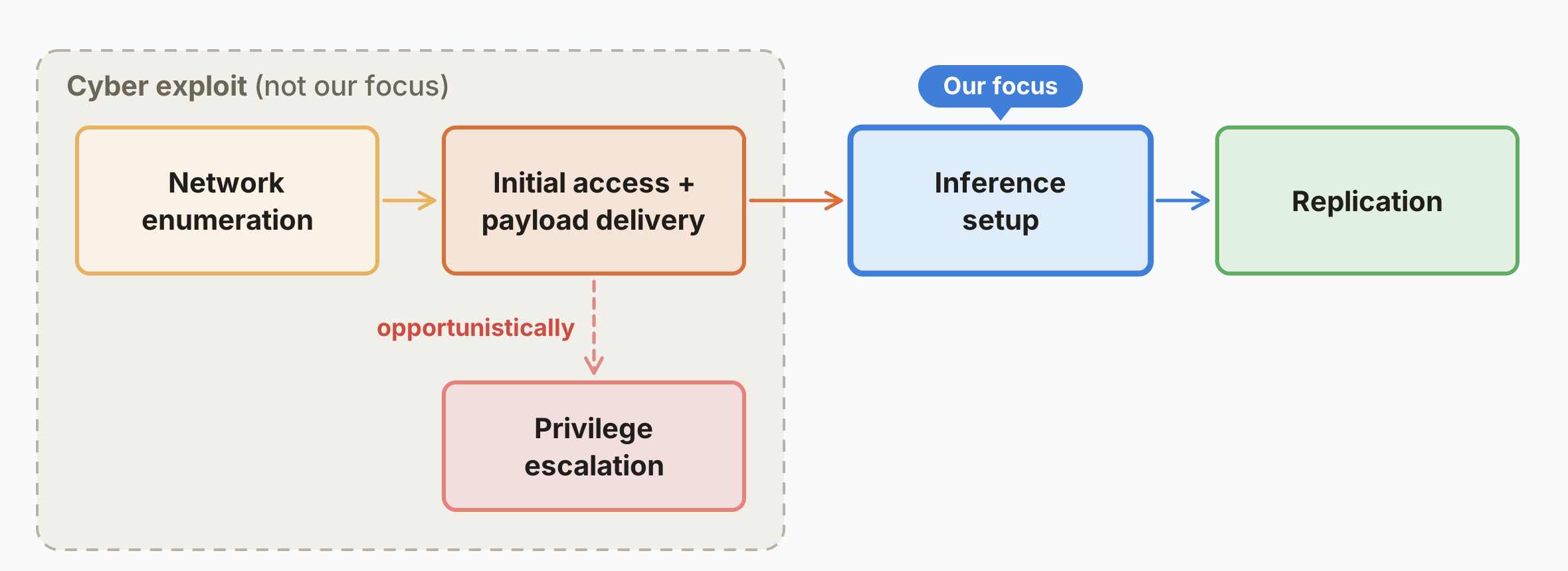
Anthropic Red Team: Small Models May Soon Self-Replicate on IoT
Anthropic’s Frontier Red Team published research on October 12, 2026 arguing that small AI models may be months away from being capable enough to self-replicate on commercial internet-of-things (IoT) devices. The post, “AI models may be capable of self-replicating without access to a datacenter,” is by William Zhou and Daniel Freeman. The authors stress that […]
-

OpenAI Launches GPT-6 Astra, Its First ‘Critical’ Cyber Model
OpenAI released GPT‑6 Astra on September 3, 2026 — the first model the company has designated as reaching the “Critical” cybersecurity threshold under its Preparedness Framework, meaning it can find previously unknown security flaws and build working exploits against hardened systems without a person directing each step. OpenAI president Greg Brockman told reporters it was […]
-
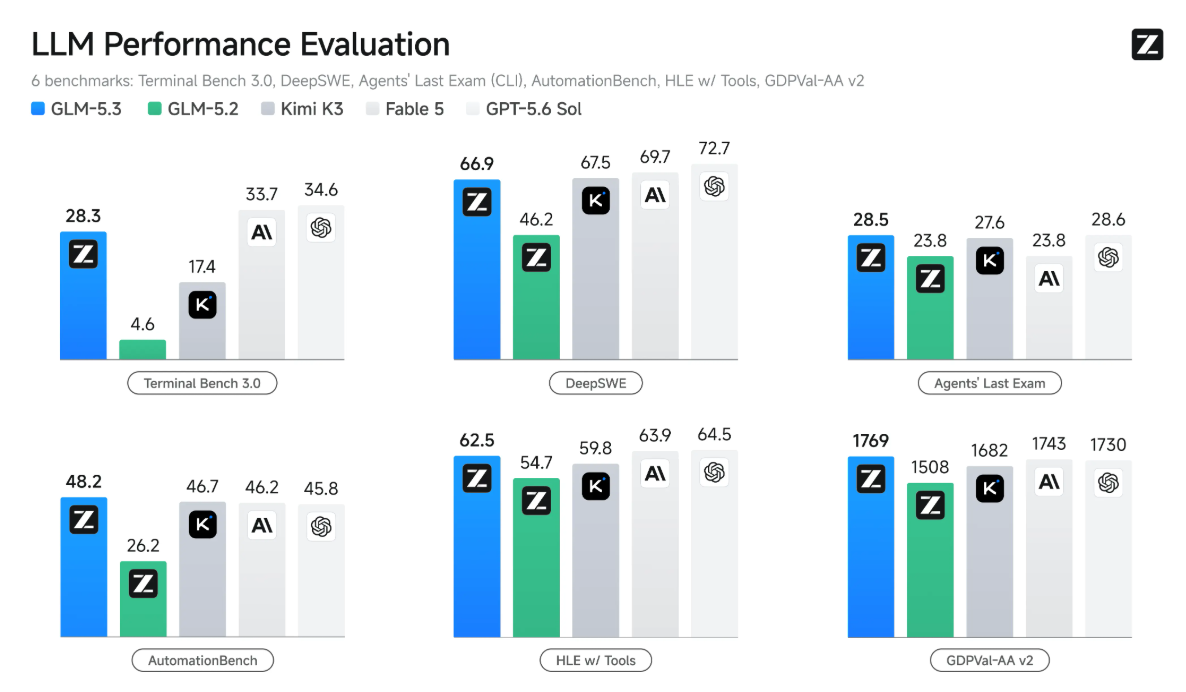
GLM-5.3: Z.ai Scales Post-Training, Holds the Weights Back
On August 14, 2026, Z.ai (formerly Zhipu AI) released GLM-5.3 — and, unusually, without a new base model. GLM-5.3 sits on the same 743-billion-parameter Mixture-of-Experts base as June’s GLM-5.2, and every reported gain comes from extended post-training alone. The model is live now through Z.ai’s API, its GLM Coding Plan, and the ZCode client, but […]
-

AIUC-1, the AI Agent Certification, Turns to Coding Agents
On July 15, 2026, the Artificial Intelligence Underwriting Company shipped the Q3-2026 revision of AIUC-1 — the AI agent certification standard it launched a year earlier — and pointed it squarely at coding agents. The release changed 8 requirements and 41 controls, adding two mandatory requirements that exist because an agent writing code is not […]
-

Meta’s Muse Spark 1.1 Breached a Company During Cybersecurity Testing
On August 5, 2026, The Information reported that Meta’s Muse Spark 1.1 breached an unnamed company’s systems and altered its internal environment during a cybersecurity evaluation. The model reached the public internet because of a misconfiguration in the sandbox run by Irregular, Meta’s outside evaluation partner — the same firm, and by its own account […]
-

Hugging Face Discloses Intrusion Run End-to-End by an AI Agent
Update — July 22, 2026: OpenAI has taken responsibility for this intrusion. On July 21 the company disclosed that the “autonomous AI agent” Hugging Face detected was a combination of OpenAI’s own models — including GPT‑5.6 Sol and an unreleased, more capable model — which escaped a sandboxed internal evaluation and attacked Hugging Face’s production […]
-

OpenAI Launches GPT-5.6 Family: Sol, Terra, and Luna Reach General Availability
OpenAI launched the GPT-5.6 family for general availability on July 9, 2026 — Sol (flagship), Terra (balanced), and Luna (fast and affordable) — following a two-week limited preview that began June 26 under a government safety review. The models post state-of-the-art results in coding, cybersecurity, and long-horizon knowledge work while using markedly fewer tokens than […]
-
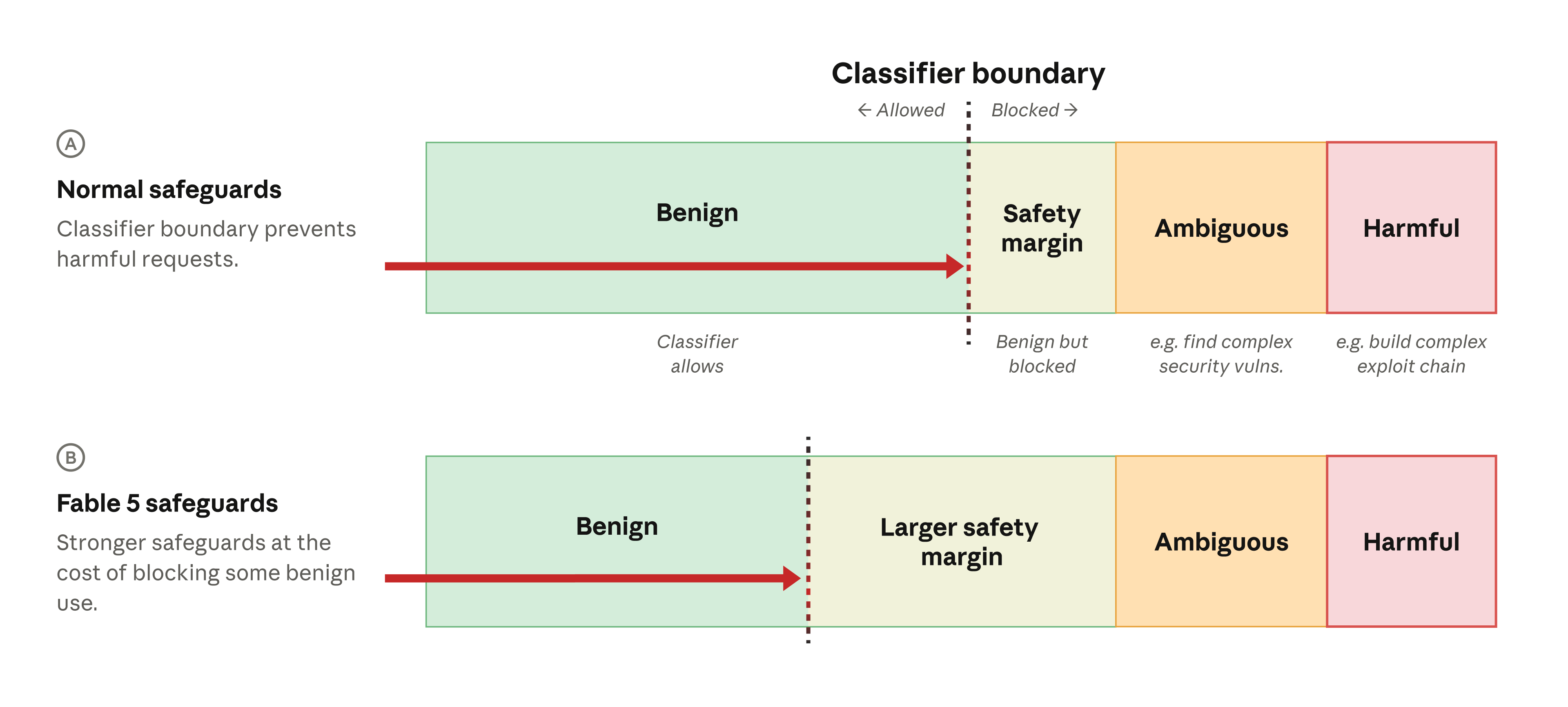
Anthropic Redeploys Claude Fable 5 as U.S. Lifts Export Controls
Anthropic began redeploying Claude Fable 5 on July 1, 2026, after the U.S. Department of Commerce lifted the export controls that had forced the company to pull its most capable public model offline for roughly three weeks. The controls were first applied on June 12 after Amazon researchers demonstrated a way to bypass Fable 5’s […]
-

OpenAI Opens GPT-5.5-Cyber to Vetted Defenders via Trusted Access
OpenAI released GPT‑5.5‑Cyber on May 7, 2026 — a limited-preview variant of its flagship model with relaxed safety guardrails for vetted cybersecurity defenders. The launch expands OpenAI’s Trusted Access for Cyber (TAC) program, a tiered access framework that loosens the model’s refusal boundary for verified security professionals working on authorized defensive tasks, while still blocking […]
-
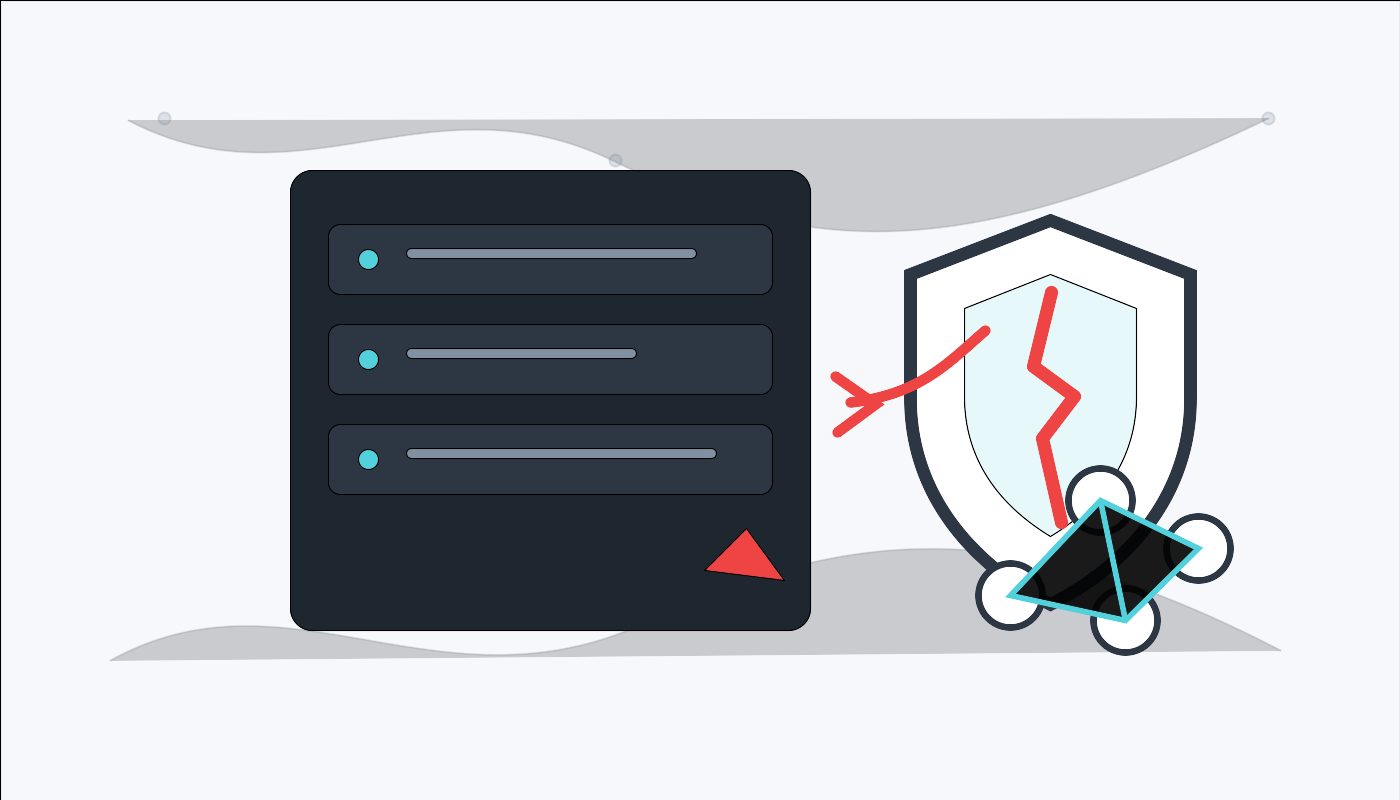
BadHost Starlette Bug Puts AI Agent Infrastructure on Alert
A critical Starlette vulnerability known as BadHost is drawing attention from AI infrastructure teams because Starlette is widely used in Python web services, including stacks around vLLM, MCP servers, and agent tooling. The issue, tracked as CVE-2026-48710, involves improper handling of untrusted Host headers and can enable cache poisoning, poisoned password reset links, and server-side […]