Tag: Hardware
-

Hugging Face Opens Preorders for Microduck, a $399 Open-Source Biped
Pollen Robotics opened preorders for Microduck on August 27, 2026 — a 25 cm, 800 g open-source biped robot priced at $399. The robot is the second hardware product from the French startup Hugging Face acquired in April 2025, and the first built explicitly as a reinforcement-learning testbed: the SDK, the on-robot software, the MuJoCo […]
-

OpenAI and Broadcom Unveil Jalapeño, a Custom LLM Inference Chip
OpenAI and Broadcom on June 24, 2026 unveiled Jalapeño, OpenAI’s first custom-designed silicon — an “Intelligence Processor” built from scratch for large language model inference. The chip is the first product of the companies’ 10-gigawatt accelerator partnership announced last October, and OpenAI says it was taken from initial design to manufacturing tape-out in just nine […]
-
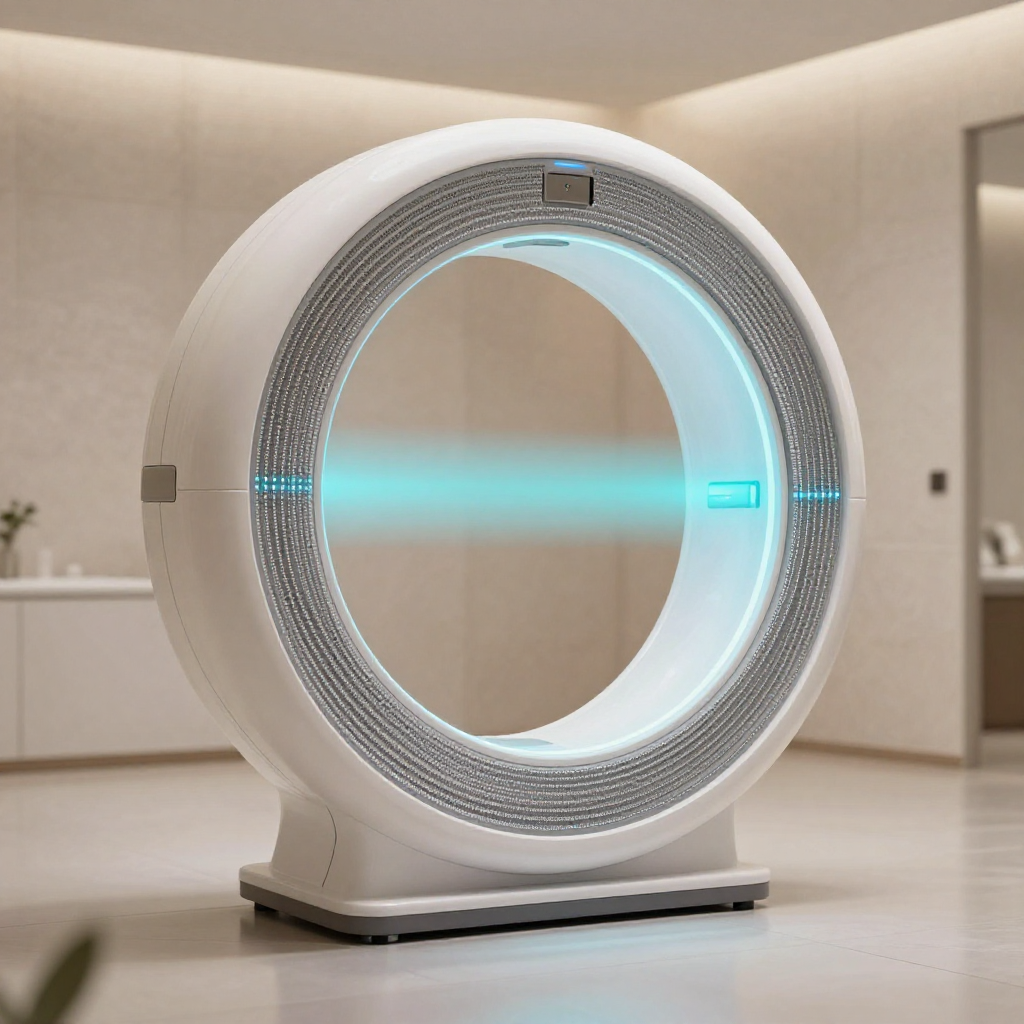
Midjourney Unveils FBUCT: A Full-Body Ultrasound Scanner
On June 17, 2026, Midjourney — the company best known for AI image generation — announced its first hardware product and an unexpected new division: Midjourney Medical. The product is a full-body scanner that the company calls FBUCT (Full Body Ultrasonic Computational Tomography), a machine that uses sound and water instead of radiation or magnets […]
-
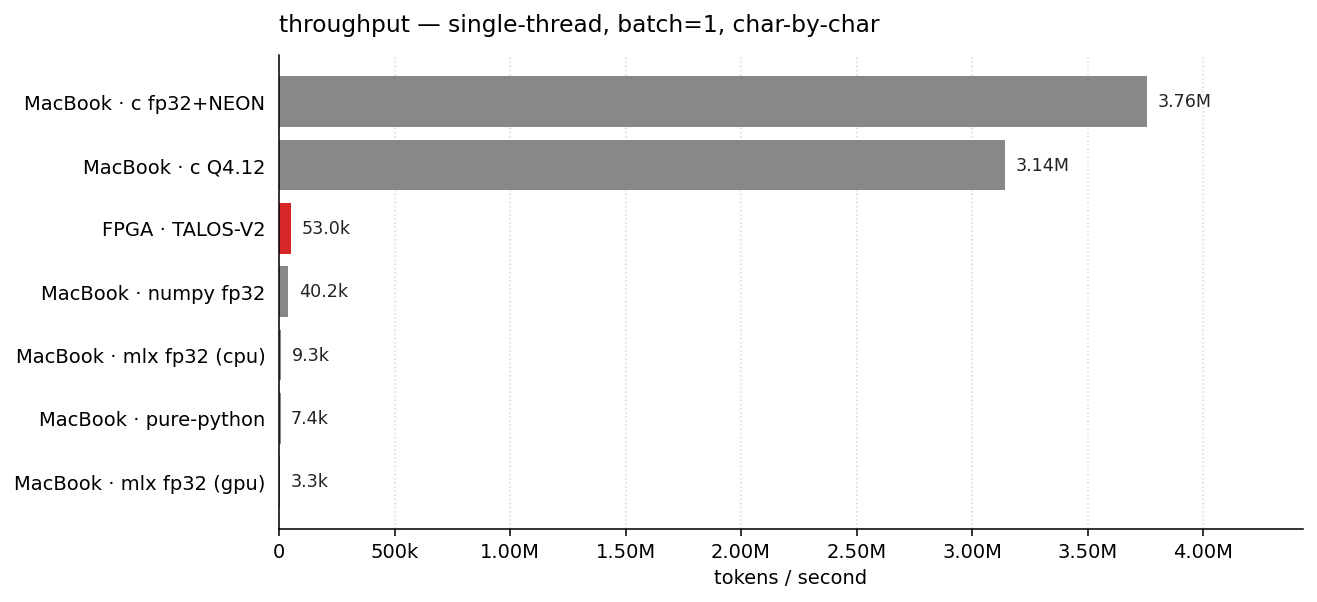
Karpathy’s microGPT on FPGA Loses to a Single MacBook Core by 71x
A custom FPGA implementation of Andrej Karpathy’s microGPT was clocked at 53,000 tokens per second — and then promptly out-run by a single M4 Max MacBook P-core doing roughly 71× the throughput in plain C. The benchmark, published on May 2, 2026 by Alex Cheema, has reignited a long-running debate in the local-AI community: when […]
-
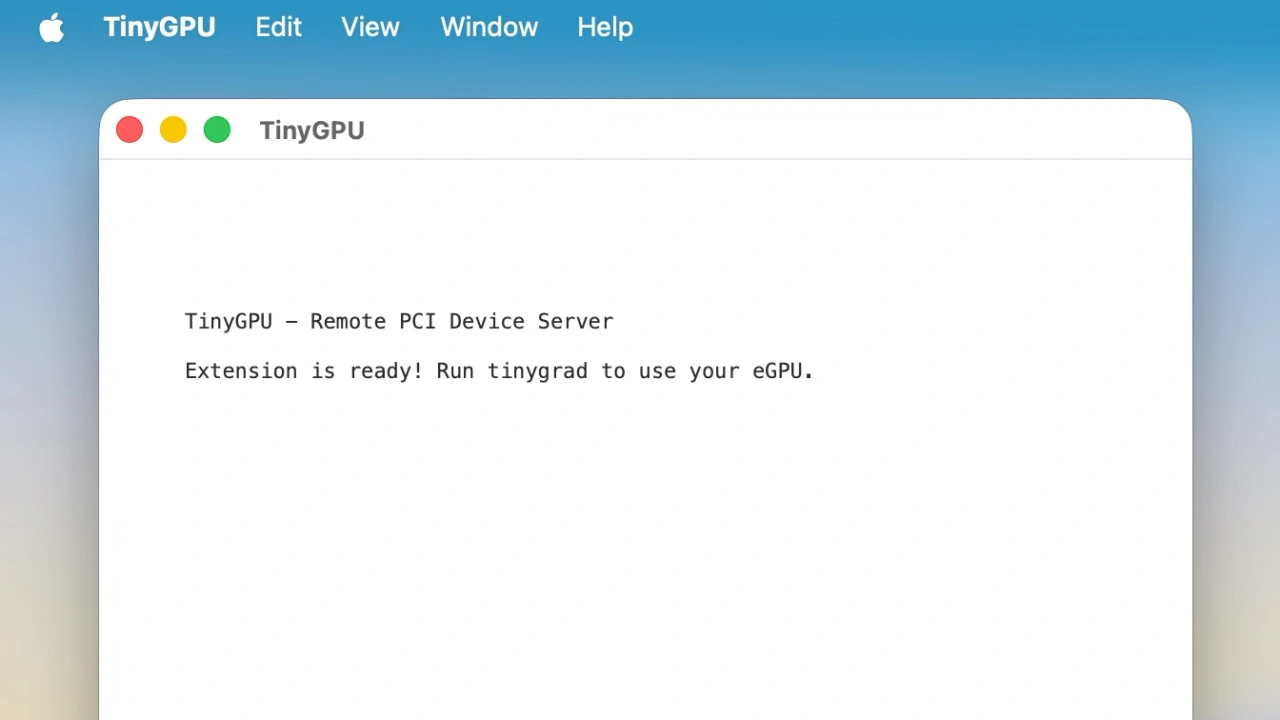
TinyGPU Brings NVIDIA and AMD eGPUs to Apple Silicon Macs
On March 31, 2026, George Hotz’s Tiny Corp announced that Apple has officially approved the TinyGPU driver extension — making it possible for Apple Silicon Mac users to run external NVIDIA and AMD GPUs over Thunderbolt/USB4 without disabling System Integrity Protection. After more than a year of engineering custom userspace GPU drivers, the approval marks […]
-

ZML: A Zig-Based Inference Engine Bringing LLMs to AMD GPUs
ZML, a Paris-based open-source project, is gaining traction as a production inference stack written almost entirely in Zig — bypassing the Python and PyTorch dependency chains that dominate AI infrastructure. With its v2 release on March 24, 2026, ZML now compiles large language models directly onto NVIDIA, AMD, Google TPU, and AWS Trainium hardware from […]
-

Reverse Engineering Apple’s Neural Engine to Train Transformers on M4
Key points A developer reverse-engineered Apple’s Neural Engine (ANE) on M4 silicon and used it to train a transformer model, which Apple has never officially supported. The open-source project bypasses CoreML and talks directly to the hardware through private APIs, reaching 9.3ms per training step at 1.78 TFLOPS sustained on an M4 Mac Mini running […]
-
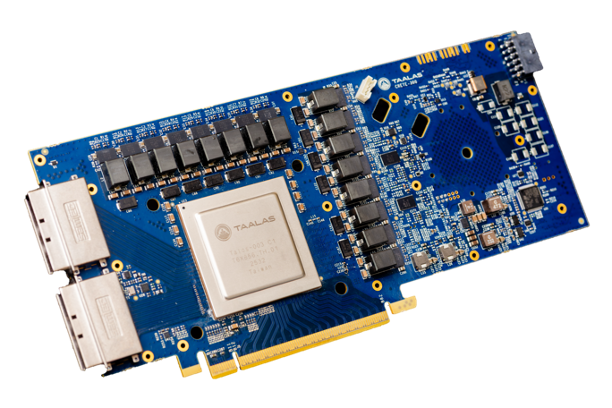
Taalas HC1: Hardwiring Llama 3.1 Into Silicon for 17,000 Tokens/Second
Key points On February 21, 2026, Toronto-based startup Taalas unveiled the HC1, a custom ASIC that hard-codes Meta’s Llama 3.1 8B language model directly into silicon. Taalas says the HC1 delivers up to 17,000 tokens per second per user, roughly ten times faster than today’s best GPU-based solutions, at a fraction of the cost and […]
-
Understanding the macOS Tahoe 26.2 Patch: Enhancing Mac Clustering Performance
Key points The article says the recent macOS Tahoe 26.2 update introduced improvements to Mac clustering, offering enhanced performance and reliability and addressing resource allocation and stability across multiple devices. It defines Mac clustering as macOS coordinating multiple devices or processes as a unified system, useful for developers, designers, and power users who rely on […]
-
Intel’s Crescent Island GPU: 160GB LPDDR5x Memory Revolutionizes AI and High-Performance Computing
Key points The article reports that Intel’s Crescent Island GPU features 160GB of LPDDR5x memory, described as low-power double data rate 5x with high bandwidth. The article says the GPU is designed for AI training and inference with optimized tensor cores, targeting LLMs, autonomous systems, scientific computing, and edge AI. The article notes details of […]