Author: uet200
-
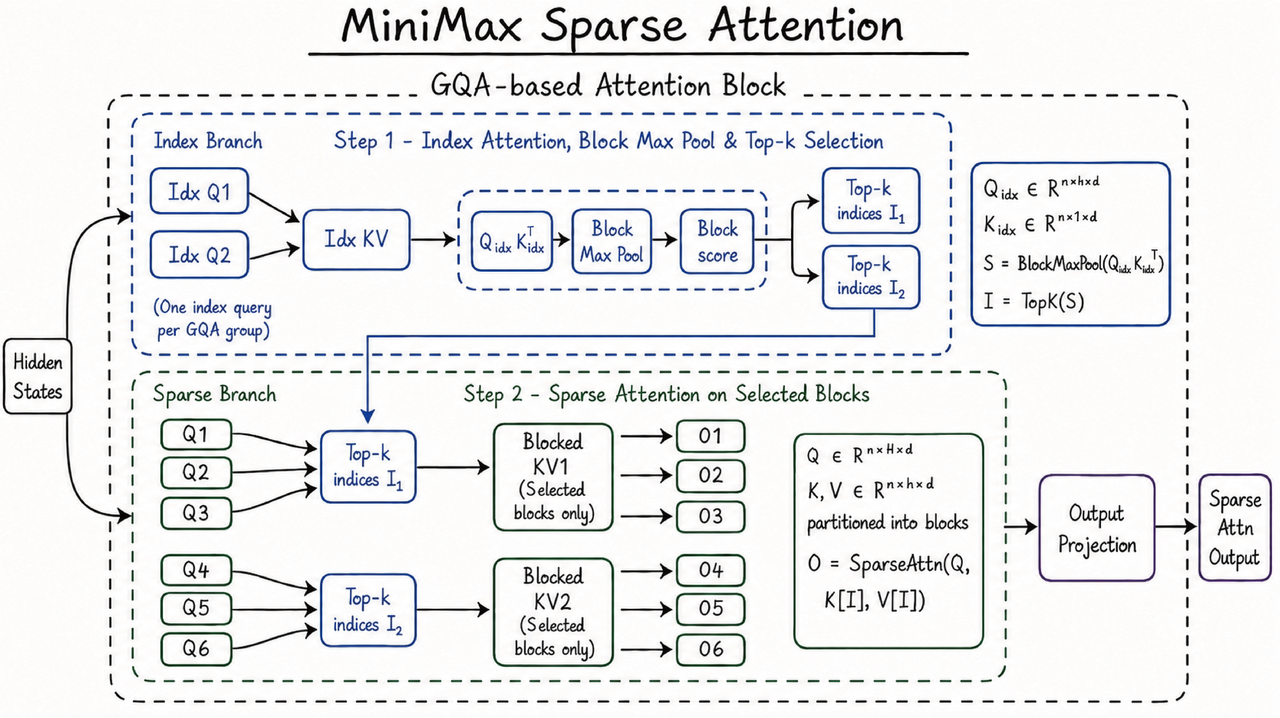
MiniMax M3: Frontier Coding, 1M Context, and Sparse Attention
MiniMax released M3 on June 1, 2026, claiming the first open-weight model to combine frontier coding, a 1-million-token context window, and native multimodality in a single architecture. The headline is not just the benchmark sheet — it is the engine underneath: a new sparse-attention mechanism (MSA) that the company says cuts per-token compute at 1M […]
-

PrismML Releases 1-Bit Bonsai Image 4B for Local Generation
PrismML released Bonsai Image 4B, a 1-bit and ternary text-to-image diffusion transformer family, extending the company’s Bonsai quantization push from language models into image generation. The notable claim is local accessibility: PrismML says the models are small enough to run fully in a browser through WebGPU while still producing competitive text-to-image outputs. Intermediate Key points […]
-
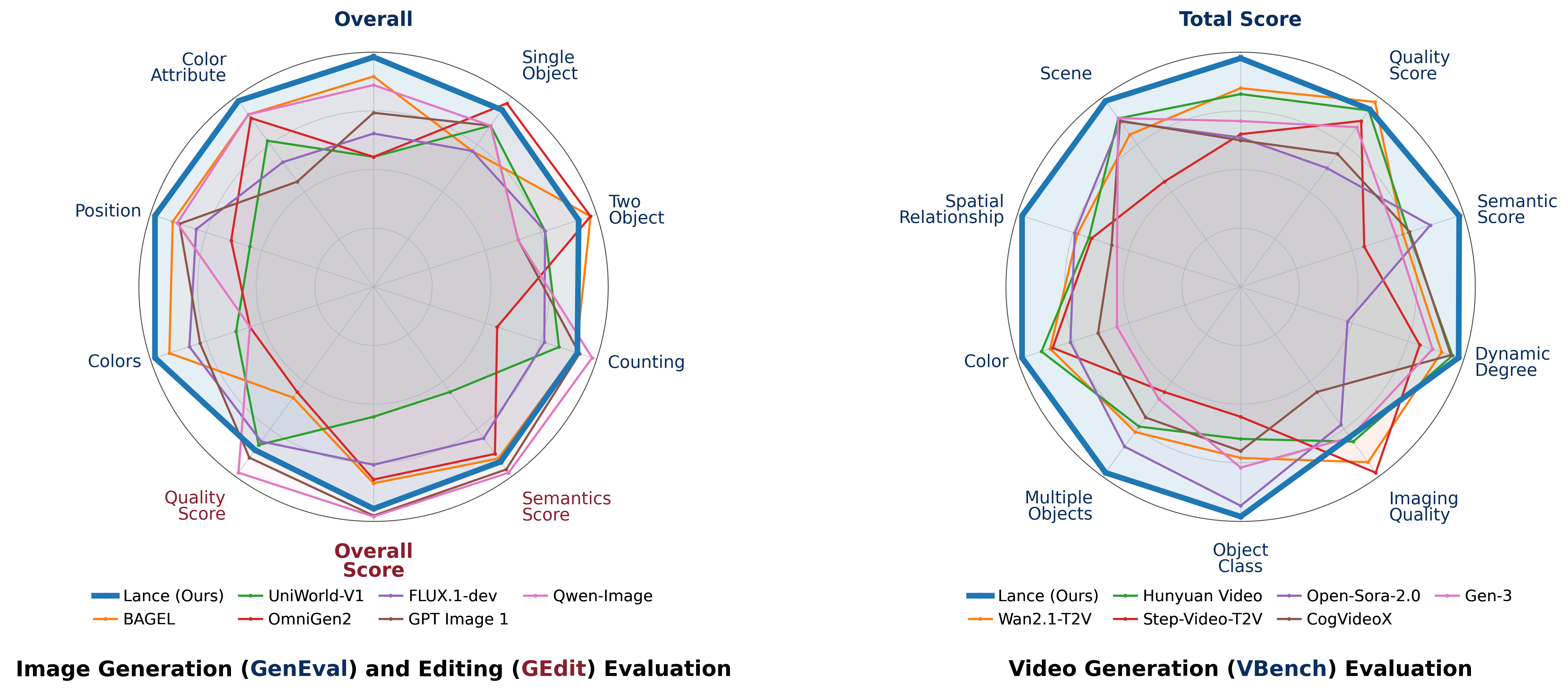
ByteDance Releases Lance, a 3B Unified Multimodal Model
ByteDance released Lance, a 3-billion-parameter native unified multimodal model, aiming to handle image understanding, text-to-image, image editing, text-to-video, and image-to-video in one lightweight open model. The release drew attention because it tries to compress a broad creative AI stack into a model size that is closer to local experimentation than cloud-only frontier systems. Intermediate Key […]
-
Google I/O 2026 Pushes Gemini Into Agent Channels
Google I/O 2026 turned Gemini into a broader agent distribution stack, with Gemini 3.5 Flash, Spark, Antigravity, AI Mode, and new agent channels all pointing in the same direction: Google wants AI agents to move from standalone demos into Search, productivity software, browsers, phones, and developer workflows. General Audience Key points Google I/O 2026 turned […]
-
Google Introduces Gemini Omni and Gemini 3.5 at I/O
Google introduced Gemini Omni and Gemini 3.5 updates during I/O 2026, putting the Gemini app on a more multimodal, agentic path. The headline is not just a larger model: Google is presenting Gemini as an interface that can hear, see, reason over screens and documents, generate media, and connect those capabilities across Search, Workspace, Android, […]
-
BadHost Starlette Bug Puts AI Agent Infrastructure on Alert
A critical Starlette vulnerability known as BadHost is drawing attention from AI infrastructure teams because Starlette is widely used in Python web services, including stacks around vLLM, MCP servers, and agent tooling. The issue, tracked as CVE-2026-48710, involves improper handling of untrusted Host headers and can enable cache poisoning, poisoned password reset links, and server-side […]
-
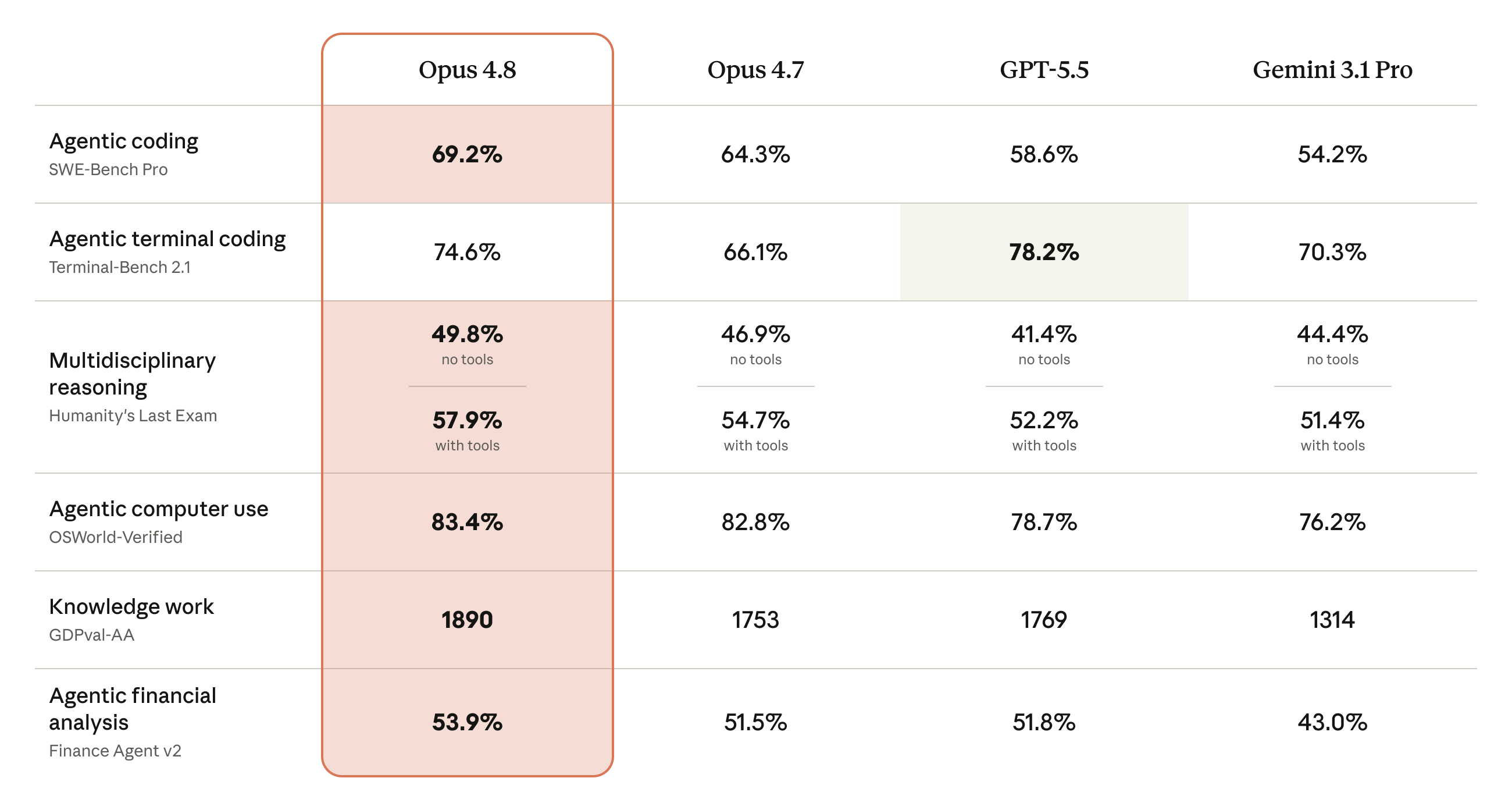
Anthropic Releases Claude Opus 4.8 for Longer Agentic Coding
Anthropic released Claude Opus 4.8 on May 28, 2026, upgrading its flagship generally available model for long-horizon coding agents, professional knowledge work, and enterprise workflows. The release is not a radical architecture reveal; its significance is more practical: better benchmark results, a cheaper fast mode, stronger self-checking behavior, and new Claude Code workflows that let […]
-
Cactus Releases Needle: A 26M Distilled Model for On-Device Tool Calling
Cactus Compute has released Needle, an open-source 26-million-parameter model distilled from Google’s Gemini 3.1 Flash Lite for single-shot function calling. Released under the MIT license, Needle quantizes to a 14 MB INT4 footprint and is designed to run AI agents entirely on phones, smartwatches, and other consumer devices — a sharp contrast to the cloud round-trips […]
-
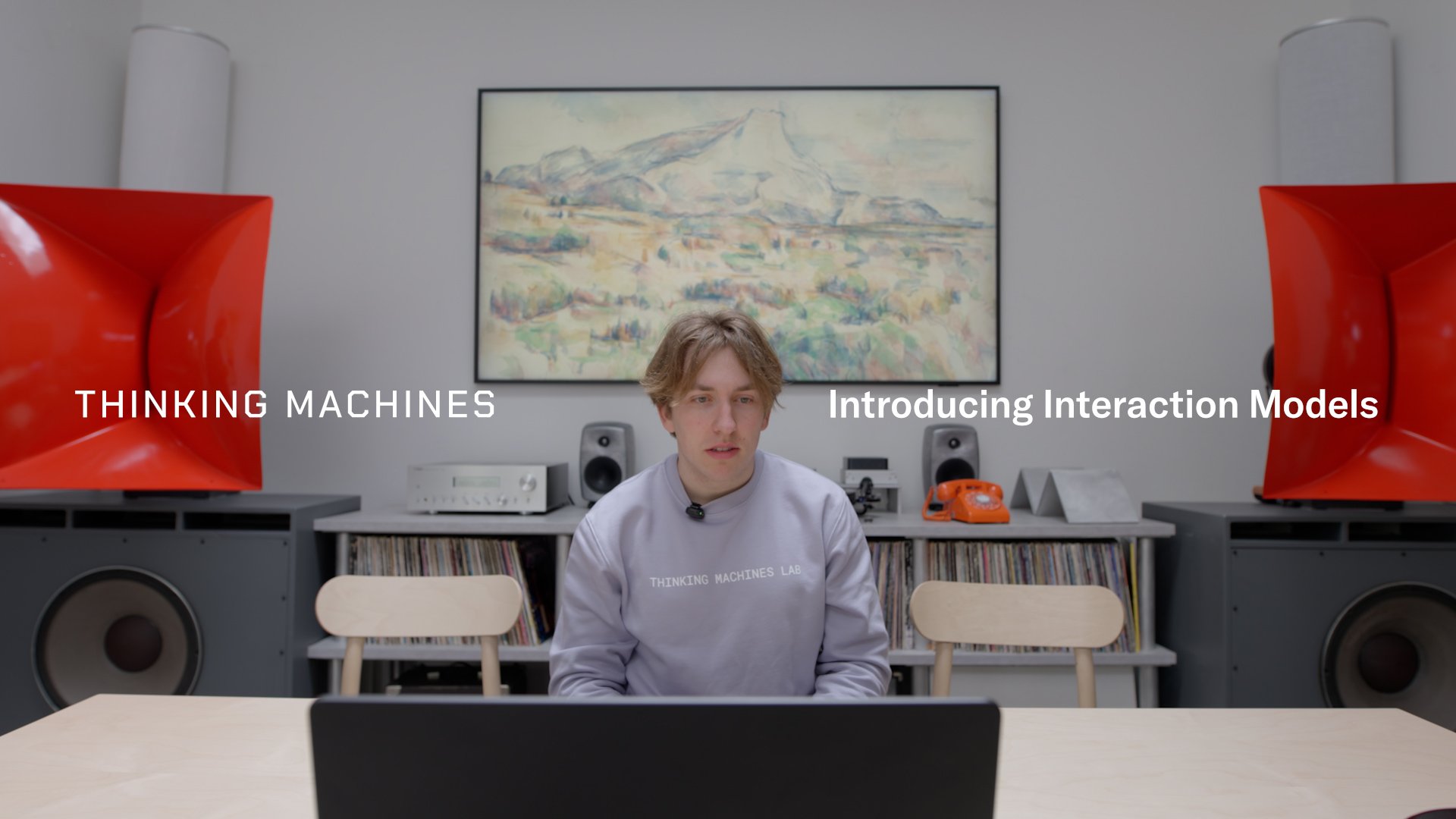
Thinking Machines Unveils Interaction Models for Real-Time Human-AI Collaboration
Thinking Machines Lab announced its first “interaction models” on May 11, 2026, unveiling TML-Interaction-Small — a 276B-parameter mixture-of-experts model (12B active) designed for real-time, multimodal collaboration. Rather than waiting for the user to finish speaking, the model interleaves 200-millisecond chunks of audio and video input with simultaneous output generation, eliminating the turn-taking pause that defines […]
-

MiniCPM-V 4.6: A 1.3B Multimodal Model Built for Phones
OpenBMB released MiniCPM-V 4.6 on May 11, 2026 — the smallest entry in the MiniCPM-V family to date. At just 1.3B parameters, the new multimodal model handles single-image, multi-image, and video understanding while running on consumer phones across iOS, Android, and HarmonyOS. The model is open-weight under Apache 2.0 and ships with vLLM, SGLang, llama.cpp, […]