Tag: diffusion
-

SperidLabs Releases Iris-3B, a Pixel-Space Image Model Without a VAE
Lead — On October 7, 2026, the research lab SperidLabs posted Iris-3B, a 3-billion-parameter text-to-image model that generates pictures with no VAE and no latent space: the network paints every pixel directly. The weights and training code went up on Hugging Face under the Apache 2.0 licence, and the accompanying paper reports that pixel-space generation […]
-
Qwen-Image-2.1: Native Transparency and 10-Image Editing
Alibaba’s Qwen team open-sourced Qwen-Image-2.1 on September 20, 2026 — an update to its open-weight image model that folds native transparent-image generation into the same 7-billion-parameter system used for text-to-image and editing, and extends reference-image editing from a handful of inputs to up to ten. Intermediate Key points Alibaba’s Qwen team open-sourced Qwen-Image-2.1 on September […]
-
Thesys Releases OUI-1, a Diffusion Model That Writes UI Screens
Lead — On September 8, 2026, Thesys released OUI-1, a fine-tune of Google’s DiffusionGemma 26B-A4B that does one narrow thing: it writes user-interface screens in openui-lang, the declarative language behind the MIT-licensed OpenUI project. The model scores 71.7% on the Generative UI Benchmark against 13.0% for its base checkpoint — a 5.5x improvement — while […]
-
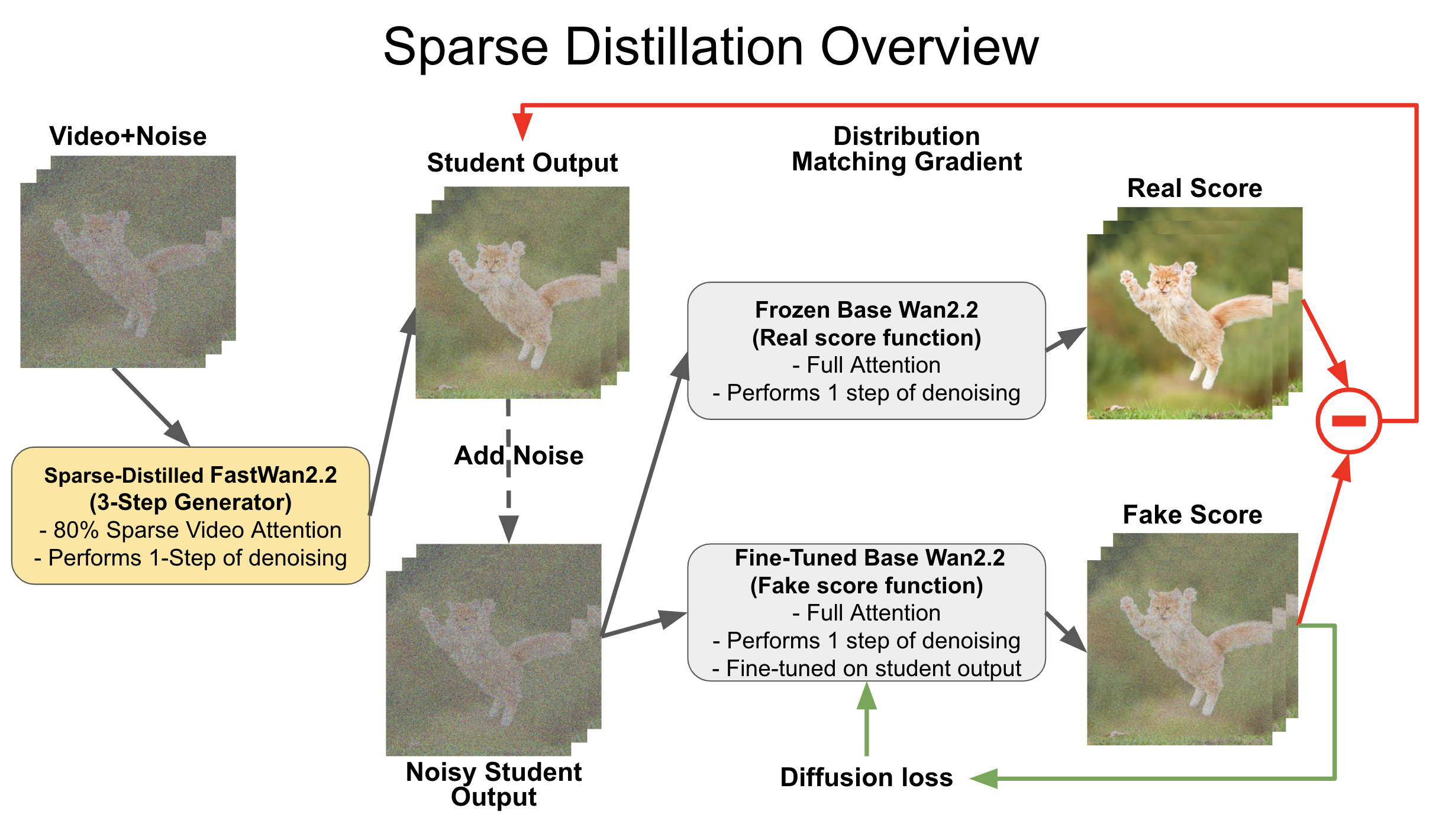
FastWan Generates a 5-Second Video in 5 Seconds via Sparse Distillation
FastWan generates a 5-second video in about 5 seconds on a single GPU — and the team at UC San Diego’s Hao AI Lab did it by training the model to be fast rather than patching speed on at inference time. Released under Apache-2.0 with full weights, training recipes, and datasets, FastWan introduces Sparse Distillation: […]
-
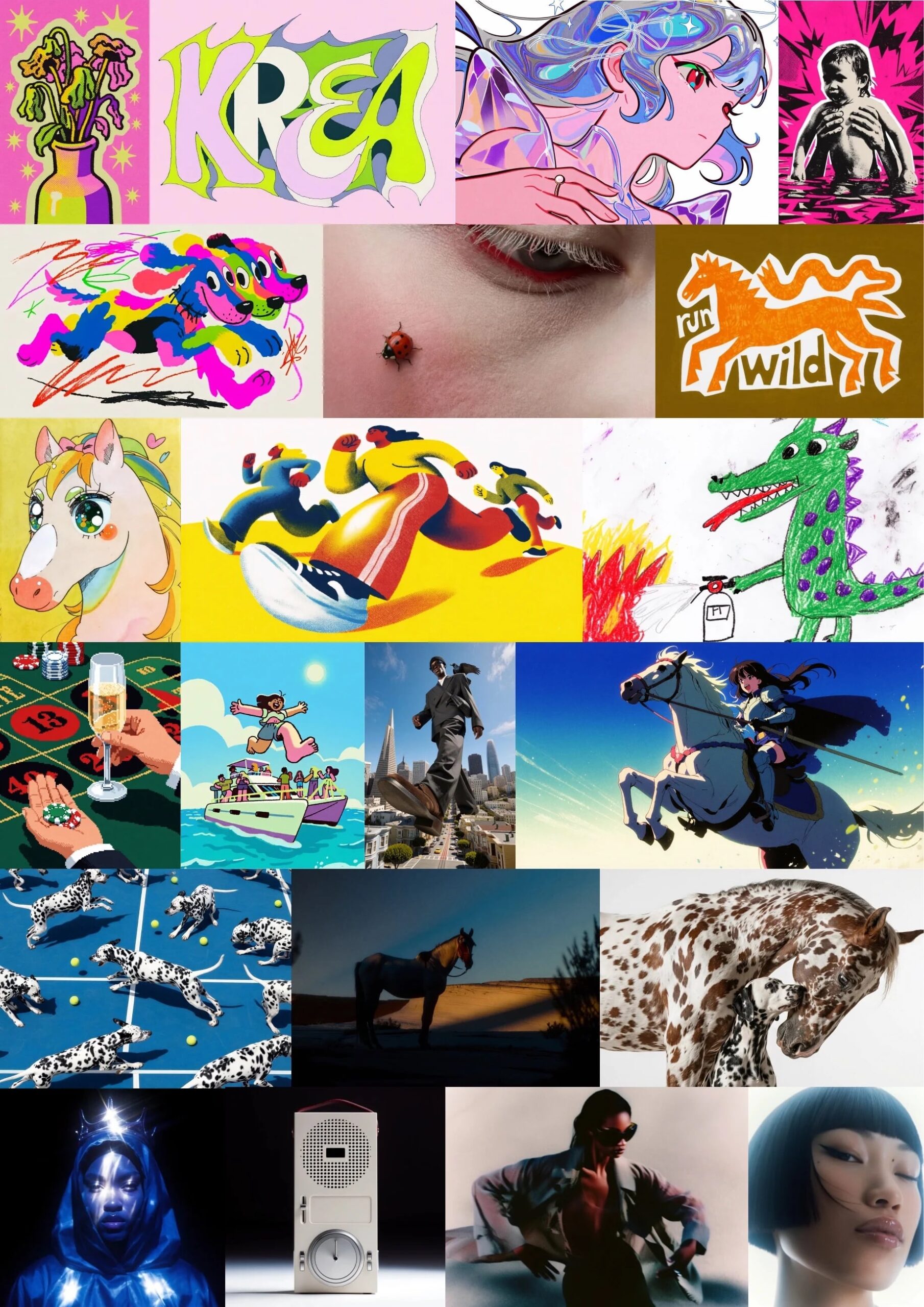
Krea 2: A From-Scratch Foundation Image Model With Style Control
Krea released Krea 2 on May 12, 2026 — its first foundation image model built completely from scratch, focused on aesthetics, style control, and creative direction. Built on a 12-billion-parameter Diffusion Transformer, Krea 2 ships as a family of variants (Medium, Large, and a 2-second Turbo) with two checkpoints — Raw and Turbo — released […]
-
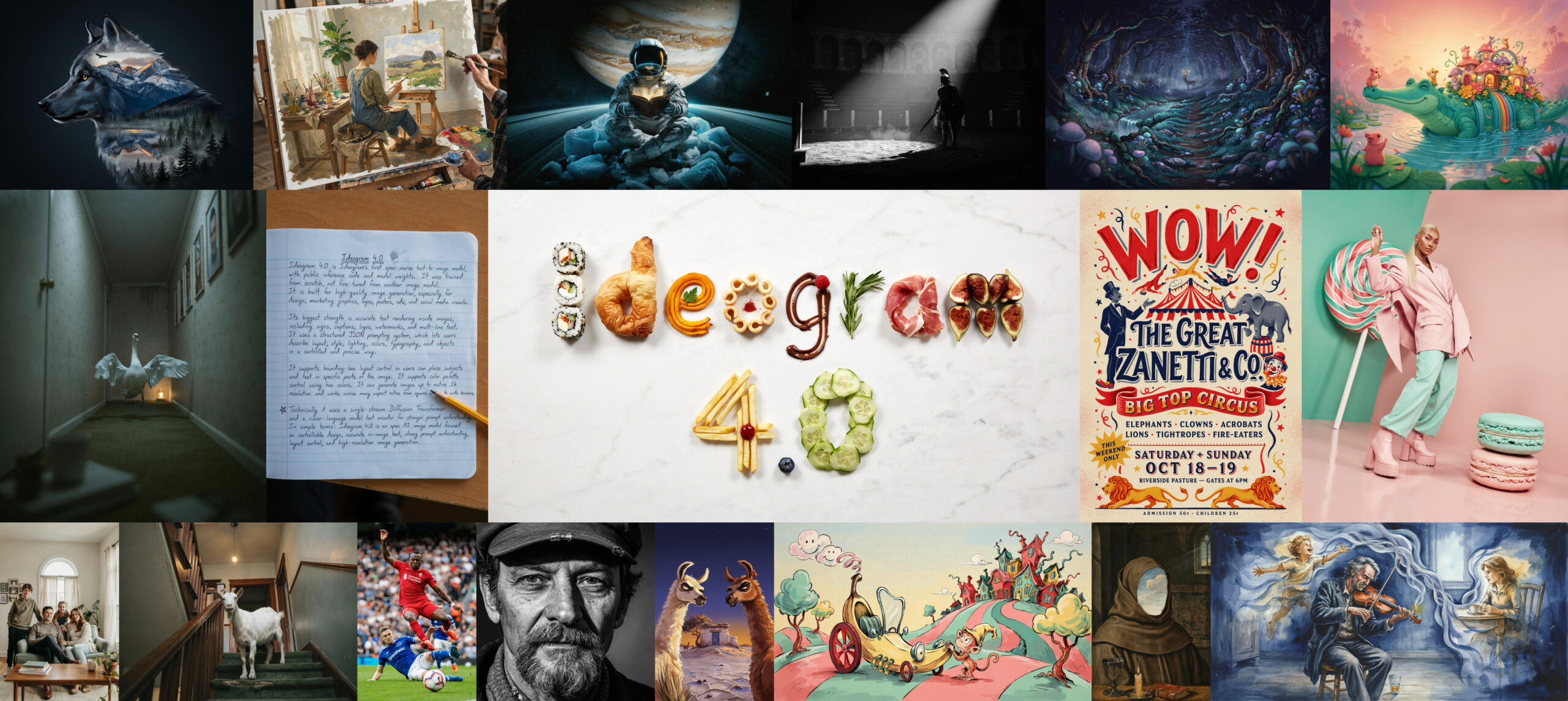
Ideogram 4.0: An Open-Weight Design Model That Renders Text
On June 3, 2026, Ideogram released Ideogram 4.0 — its first open-weight text-to-image foundation model. The 9.3-billion-parameter model ships with both weights and inference code under a non-commercial license, and immediately took the top spot among open-weight models on the DesignArena leaderboard. Built from scratch around a single-stream Diffusion Transformer and a structured JSON prompting […]
-

NVIDIA Releases Kimodo: Controllable Text-to-Motion for Characters and Humanoid Robots
On March 16, 2026, NVIDIA released Kimodo — a kinematic motion diffusion model that turns text prompts and sparse kinematic constraints into high-quality 3D human and humanoid-robot motion. Trained on 700 hours of commercially-friendly optical motion capture data, Kimodo ships as an open-source project on GitHub and Hugging Face, with seven model checkpoints spanning the […]
-
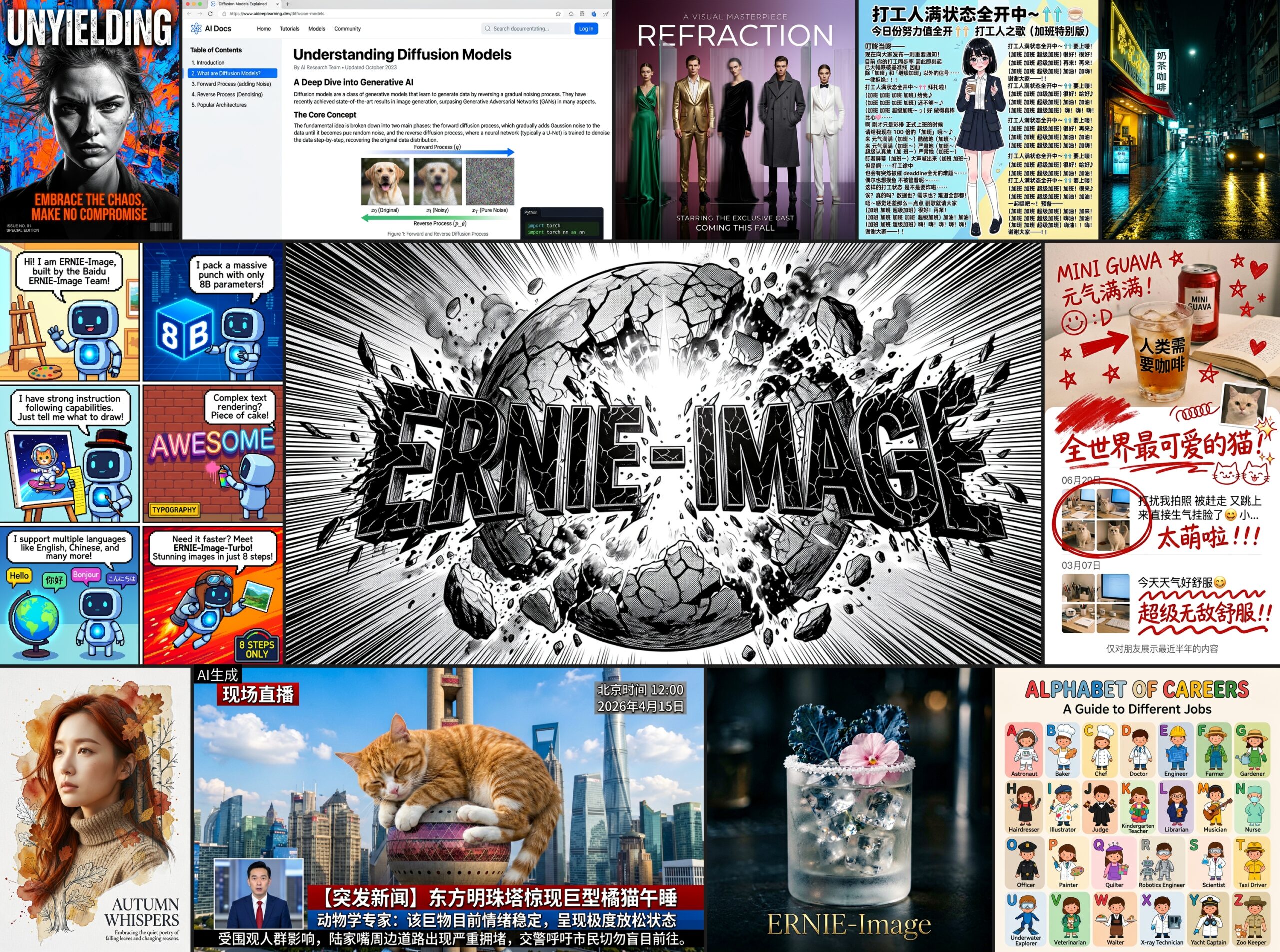
Baidu Open-Sources ERNIE-Image, an 8B Diffusion Transformer
Baidu has open-sourced ERNIE-Image, a new text-to-image diffusion model that the company claims reaches state-of-the-art quality among open-weight systems despite using only 8 billion parameters. The model is released under the Apache 2.0 license and is available directly on Hugging Face, along with a distilled “Turbo” variant that generates images in just eight inference steps. […]
-

Inception Launches Mercury 2: Diffusion-Powered Reasoning at 1,000 Tokens per Second
Key points On February 24, 2026, Inception launched Mercury 2, which the company calls the first reasoning-capable diffusion large language model and the fastest reasoning LLM available today. Inception reports that Mercury 2 reaches 1,009 tokens per second on NVIDIA Blackwell GPUs with 1.7 seconds of end-to-end latency, over five times faster than leading speed-optimized […]
-

Seedance 2.0: ByteDance’s Multimodal Audio-Video AI Model
Key points ByteDance launched Seedance 2.0 on February 12, 2026, describing it as a unified multimodal audio-video joint generation architecture. Users can feed the model up to 9 images, 3 video clips, 3 audio clips, and natural language instructions at once, 12 files in total. Output videos can run up to 15 seconds at native […]