Tag: open source
-
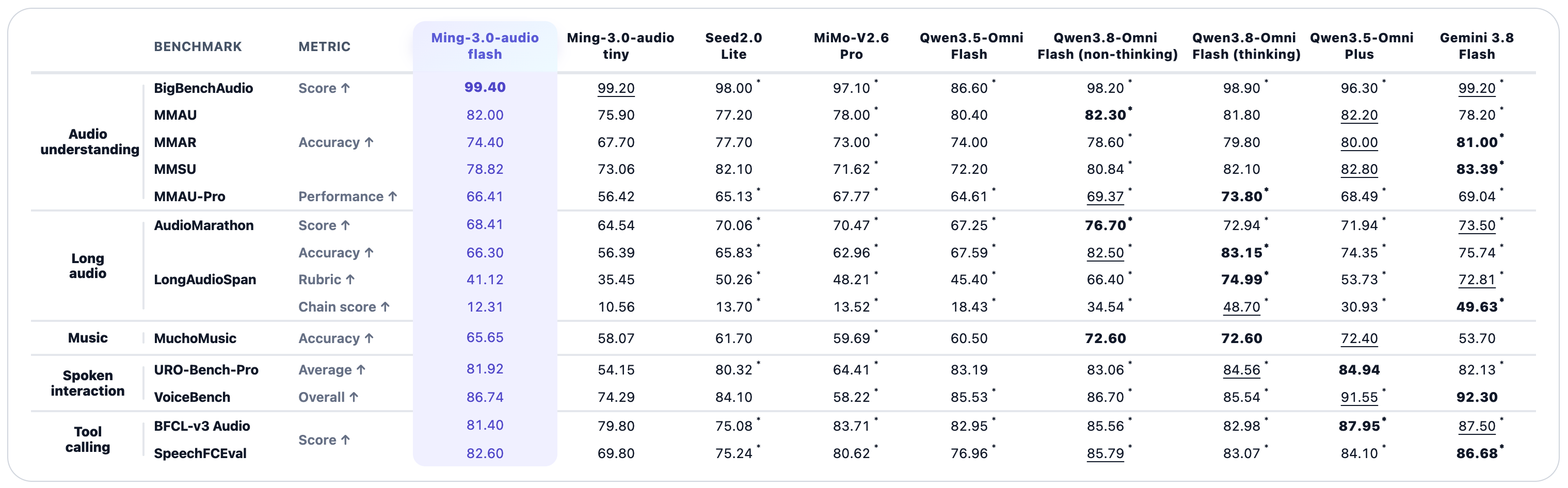
inclusionAI Open-Sources Ming-3.0-audio, a 126B Audio LLM
On October 19, 2026, Ant Group’s inclusionAI lab released Ming-3.0-audio-flash, a 126-billion-parameter audio-language model that activates 6.5 billion parameters per token and answers either in text or in synthesized speech. The weights and inference code went up on Hugging Face, ModelScope and GitHub under the MIT licence, together with a compact 9.3-billion-parameter sibling, Ming-3.0-audio-tiny. It […]
-
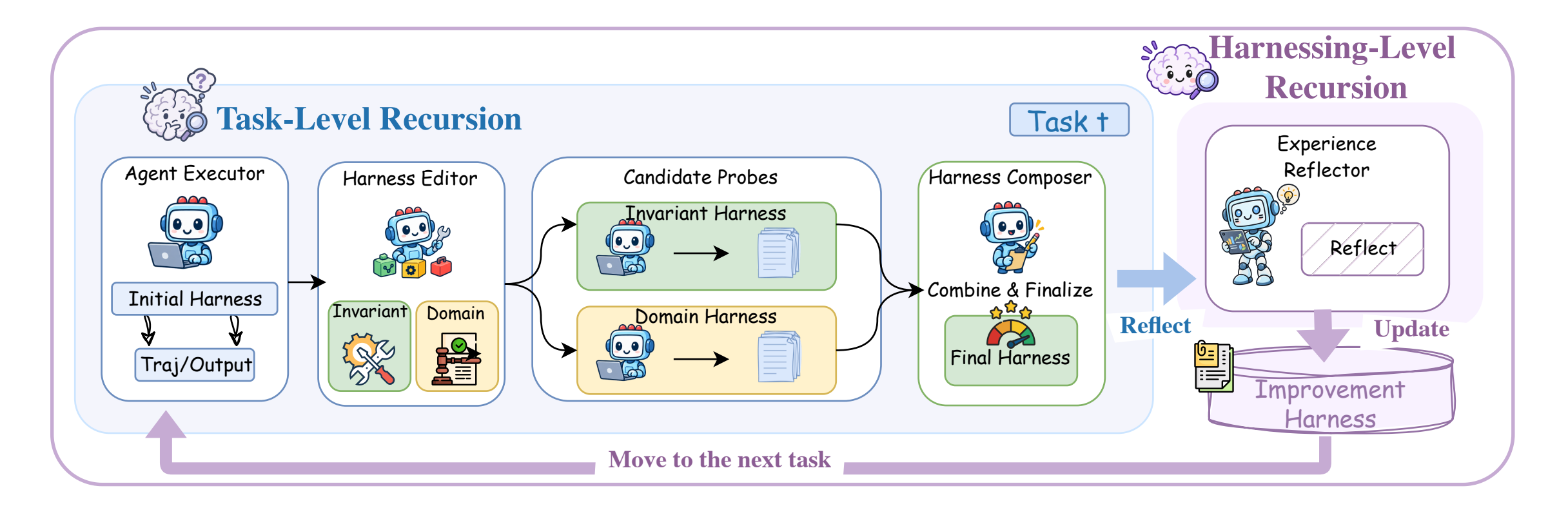
Google Open Sources Harness2 for Self-Improving AI Agents
On October 9, 2026, researchers from Google Cloud AI Research and Northwestern University posted Harness²: Recursive Agent Harnessing for an Open World and released the accompanying code on GitHub under the Apache 2.0 licence. The framework improves an AI agent’s harness — the prompts, tools, memory, skills and orchestration wrapped around a model — while […]
-
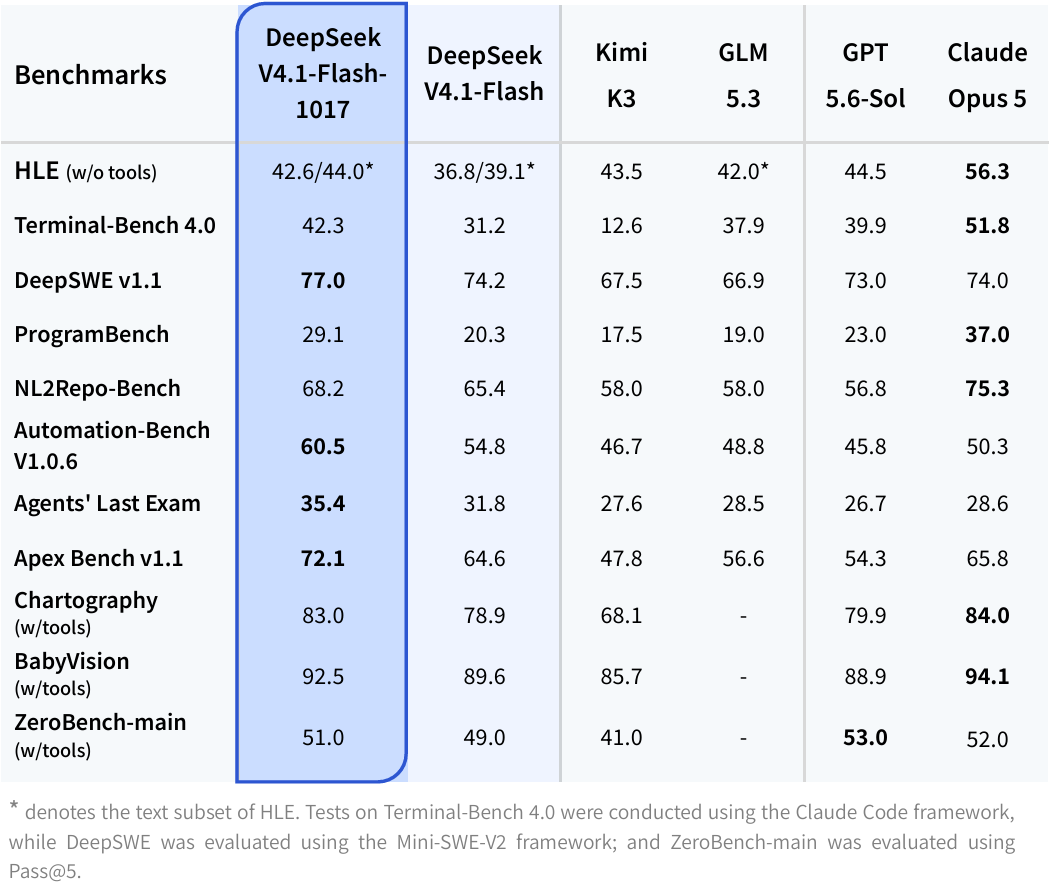
DeepSeek Ships V4.1-Flash-1017: Faster Agents, Same Price
DeepSeek replaced V4.1-Flash with DeepSeek-V4.1-Flash-1017 on October 17, 2026, shipping the new checkpoint to its website, mobile app and API the same day and publishing MIT-licensed weights on Hugging Face and ModelScope. DeepSeek calls it a minor update; it improves all eleven benchmarks in the company’s comparison table, shortens outputs, and leaves API pricing unchanged. […]
-
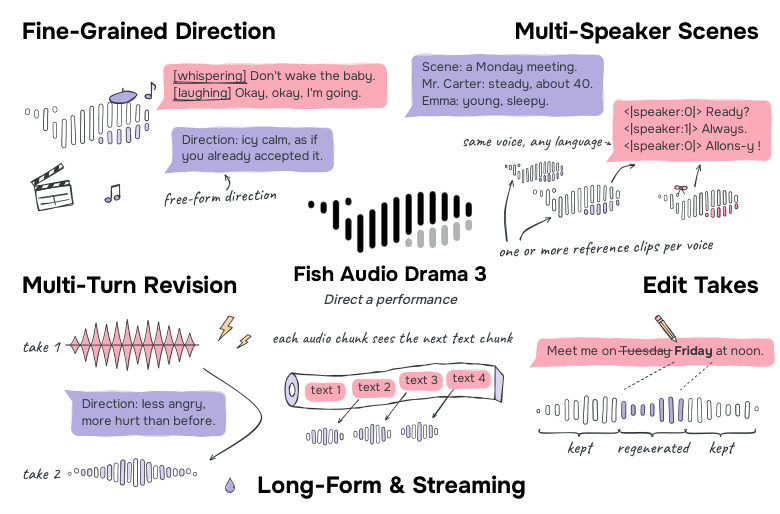
Fish Audio Releases Drama 3, a 35B Open-Weight Directable TTS Model
Lead — On October 13, 2026, Fish Audio released Drama 3, a 35-billion-parameter open-weight text-to-speech model that follows plain-language acting directions instead of selecting from a fixed menu of emotion presets. The weights are published on Hugging Face and GitHub under the Fish Audio Community License v1.0, and the model is served from launch day […]
-

Black Forest Labs Releases FLUX 3 Image Klein
Lead — On October 15, 2026, Black Forest Labs released FLUX 3 Image Klein, a 5.6-billion-parameter open-weights model that handles text-to-image generation, image editing, and multi-reference generation with up to 10 reference images in a single set of weights. It is the German lab’s second open-weights release from the FLUX 3 family, following September’s FLUX […]
-
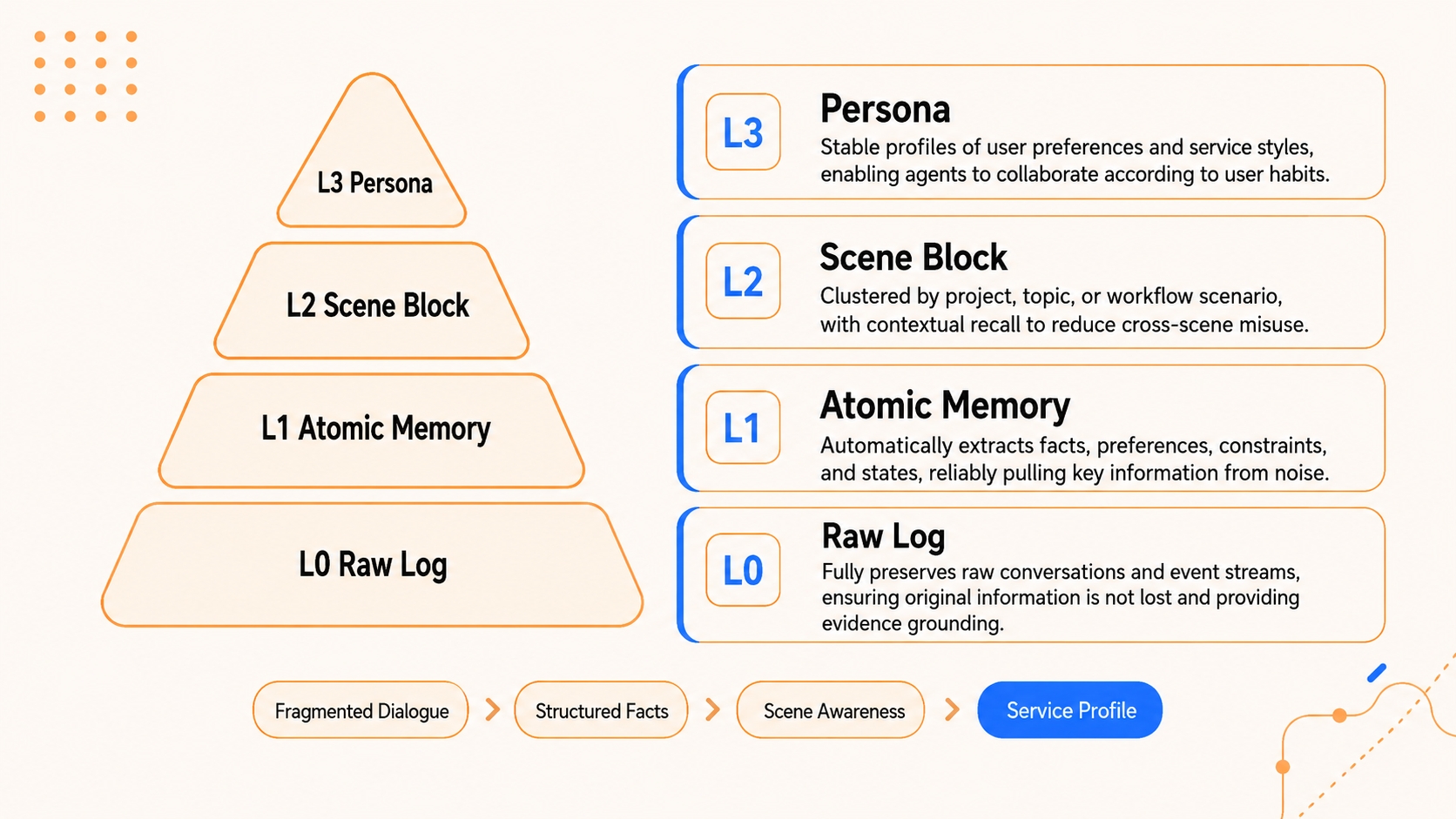
Tencent Open-Sources Agent Memory: A Local Memory Hub for Agents
Tencent Cloud published TencentDB Agent Memory v2.0.3-beta.1 on October 13, 2026 — the newest release of an MIT-licensed memory system that gives AI agents persistent memory and runs on local SQLite storage by default. The project was first open-sourced in May 2026 and rebuilt in August around a team-level “memory hub” that shares what agents […]
-
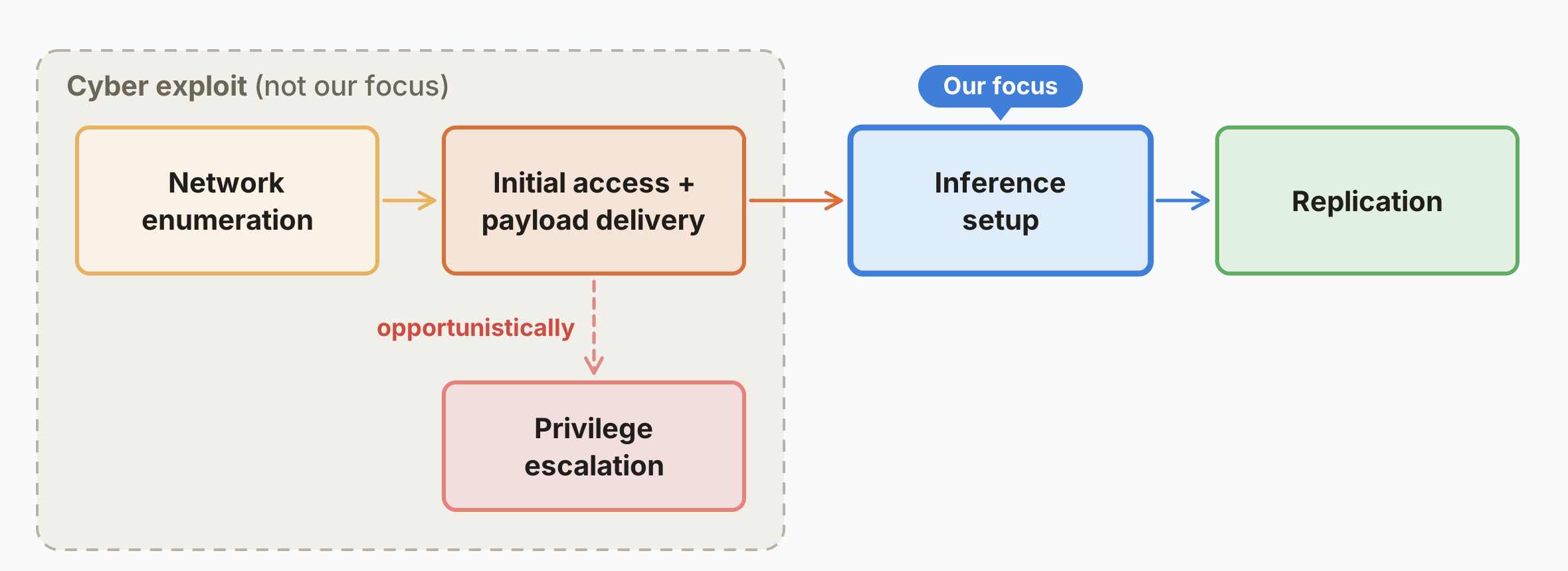
Anthropic Red Team: Small Models May Soon Self-Replicate on IoT
Anthropic’s Frontier Red Team published research on October 12, 2026 arguing that small AI models may be months away from being capable enough to self-replicate on commercial internet-of-things (IoT) devices. The post, “AI models may be capable of self-replicating without access to a datacenter,” is by William Zhou and Daniel Freeman. The authors stress that […]
-

SperidLabs Releases Iris-3B, a Pixel-Space Image Model Without a VAE
Lead — On October 7, 2026, the research lab SperidLabs posted Iris-3B, a 3-billion-parameter text-to-image model that generates pictures with no VAE and no latent space: the network paints every pixel directly. The weights and training code went up on Hugging Face under the Apache 2.0 licence, and the accompanying paper reports that pixel-space generation […]
-
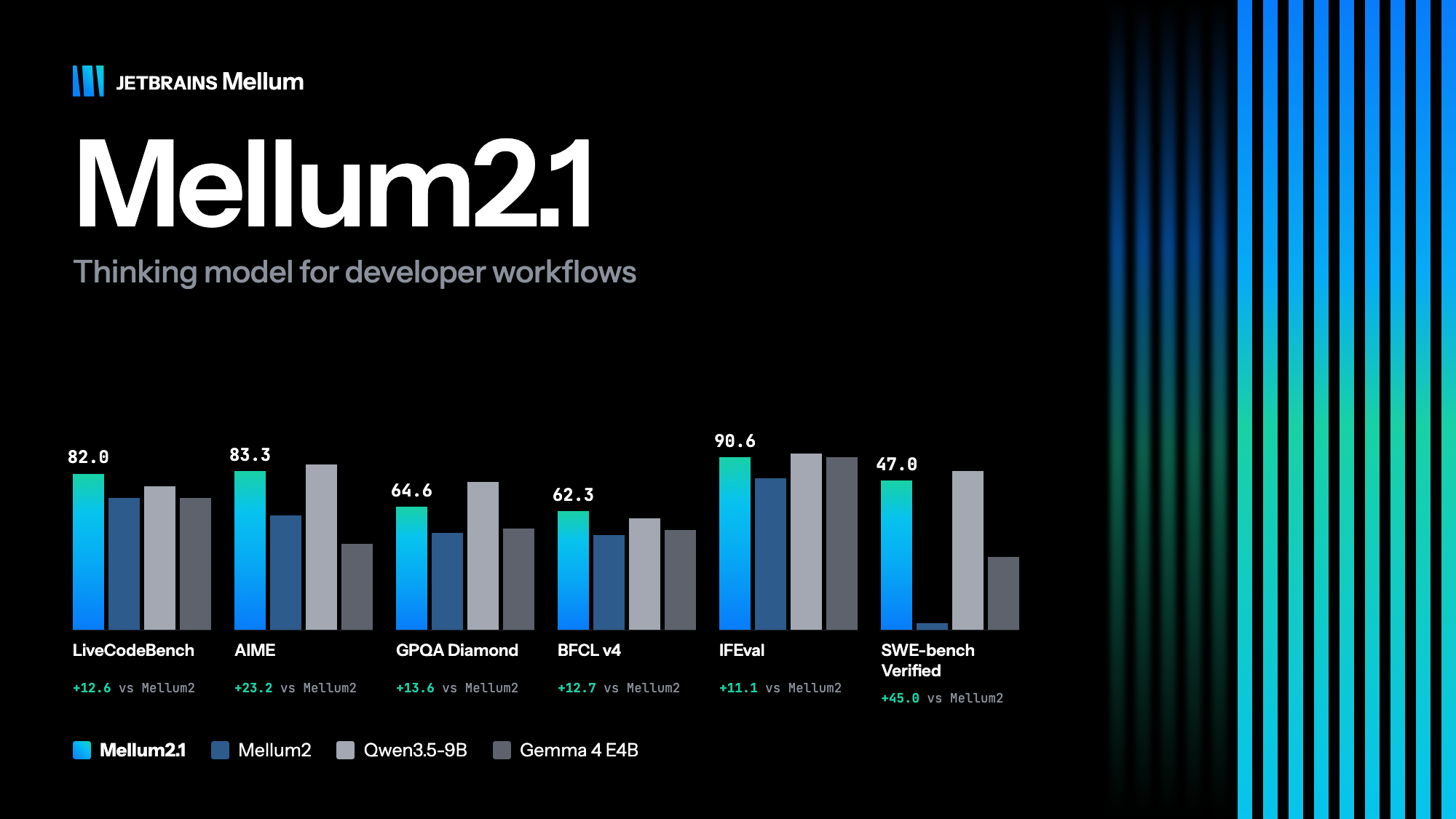
JetBrains Ships Mellum2.1, a 12B Open Model for Coding Agents
JetBrains released Mellum2.1 on October 8, 2026 — the next version of the 12-billion-parameter mixture-of-experts model it open-sourced in June. The architecture is unchanged, the license is still Apache 2.0, and the weights are on Hugging Face. What changed is everything after pre-training: JetBrains says the update was driven by scaling up reinforcement learning in […]
-
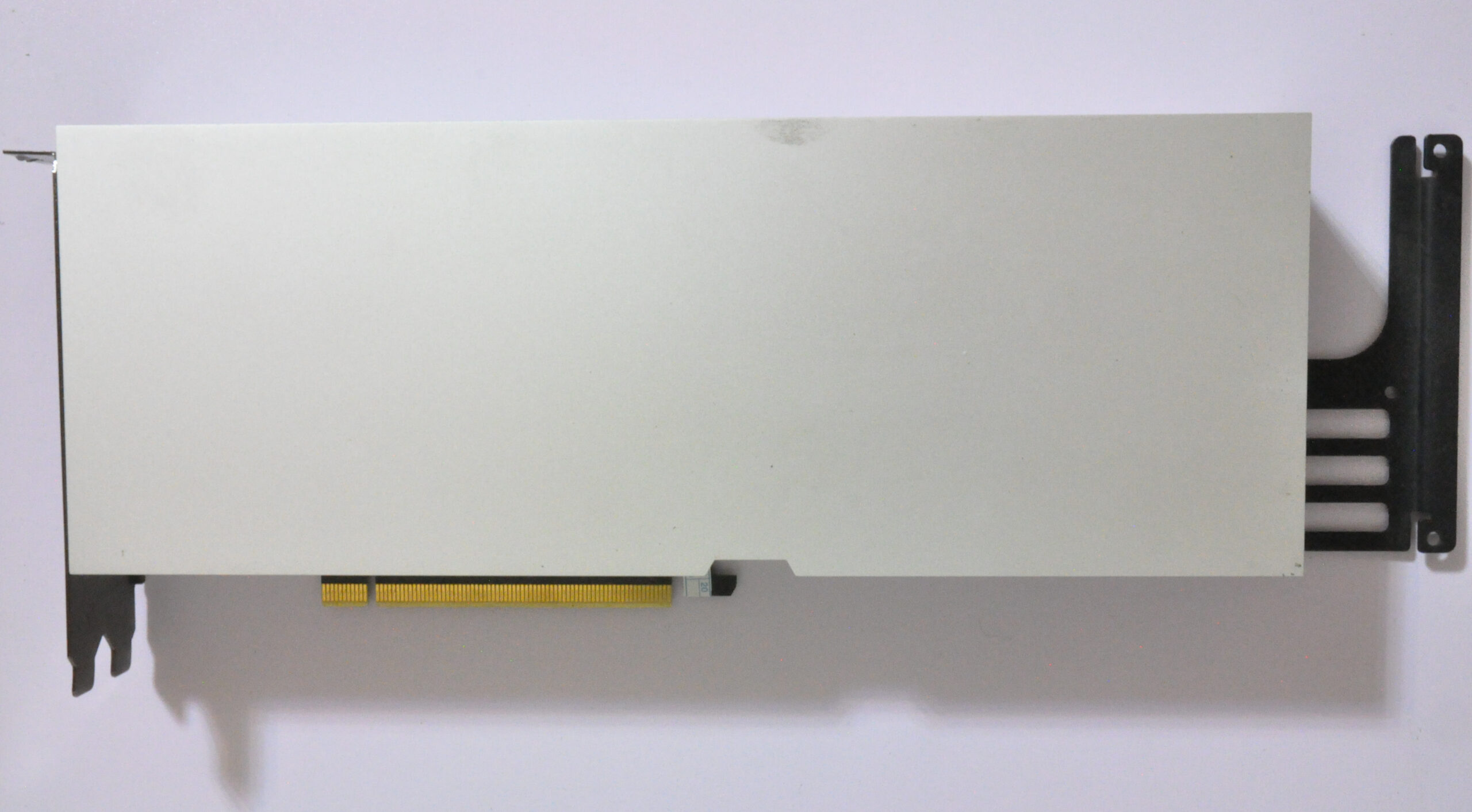
The 8 GB Accelerator That Becomes 64 GB: cmpunlocker v0.5
On 5 October 2026, the open-source project cmpunlocker released version 0.5, adding error-correcting code (ECC) on both DRAM and SRAM, and four more streaming multiprocessors (SMs), to a card it has spent more than a year re-enabling: the NVIDIA CMP 170HX. The board is a GA100 accelerator — the same Ampere die that sits in […]