Tag: image generation
-
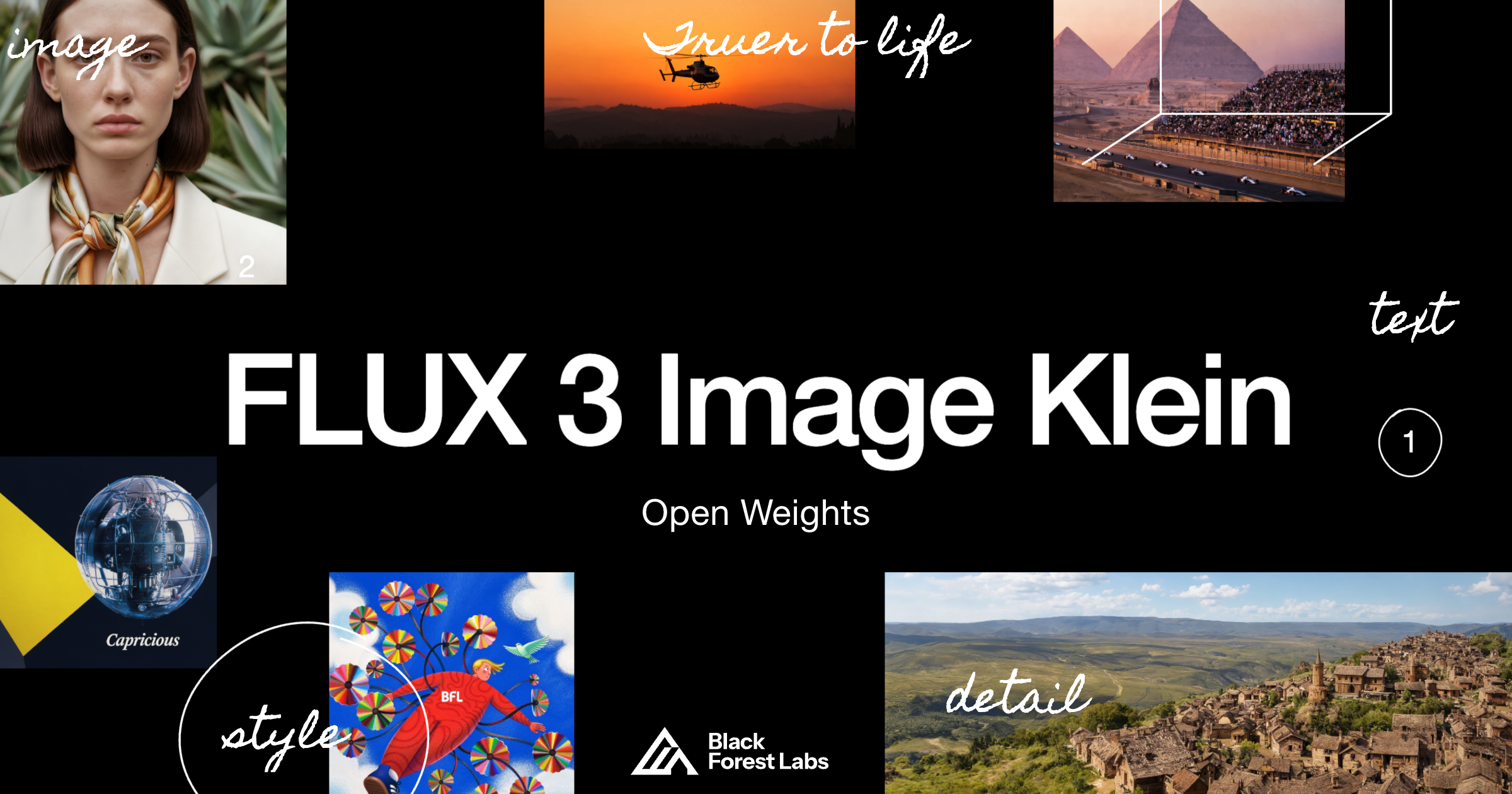
Black Forest Labs Releases FLUX 3 Image Klein
Lead — On October 15, 2026, Black Forest Labs released FLUX 3 Image Klein, a 5.6-billion-parameter open-weights model that handles text-to-image generation, image editing, and multi-reference generation with up to 10 reference images in a single set of weights. It is the German lab’s second open-weights release from the FLUX 3 family, following September’s FLUX […]
-

SperidLabs Releases Iris-3B, a Pixel-Space Image Model Without a VAE
Lead — On October 7, 2026, the research lab SperidLabs posted Iris-3B, a 3-billion-parameter text-to-image model that generates pictures with no VAE and no latent space: the network paints every pixel directly. The weights and training code went up on Hugging Face under the Apache 2.0 licence, and the accompanying paper reports that pixel-space generation […]
-

Ant Group Open-Sources Ming-Image-0.1-Design for Text-Heavy Graphics
Ant Group’s inclusionAI lab has open-sourced Ming-Image-0.1-Design, a pair of 6-billion-parameter image models built for graphic design rather than photography: user interfaces, infographics, posters, and other layouts where the rendered text has to be legible. The weights went up on Hugging Face on September 17, 2026, under the MIT licence, and the lab’s Ant Ling […]
-
Qwen-Image-2.1: Native Transparency and 10-Image Editing
Alibaba’s Qwen team open-sourced Qwen-Image-2.1 on September 20, 2026 — an update to its open-weight image model that folds native transparent-image generation into the same 7-billion-parameter system used for text-to-image and editing, and extends reference-image editing from a handful of inputs to up to ten. Intermediate Key points Alibaba’s Qwen team open-sourced Qwen-Image-2.1 on September […]
-

OpenAI Ships ChatGPT Images 2.5 with Flare and Sunburst
OpenAI released ChatGPT Images 2.5 on September 8, 2026, replacing the Images 2.0 generation that shipped in April with a model the company describes as sharper, faster, and markedly better at editing an image without disturbing the parts you did not ask it to change. Two API variants launched alongside it — gpt-image-2.5-flare and gpt-image-2.5-sunburst […]
-
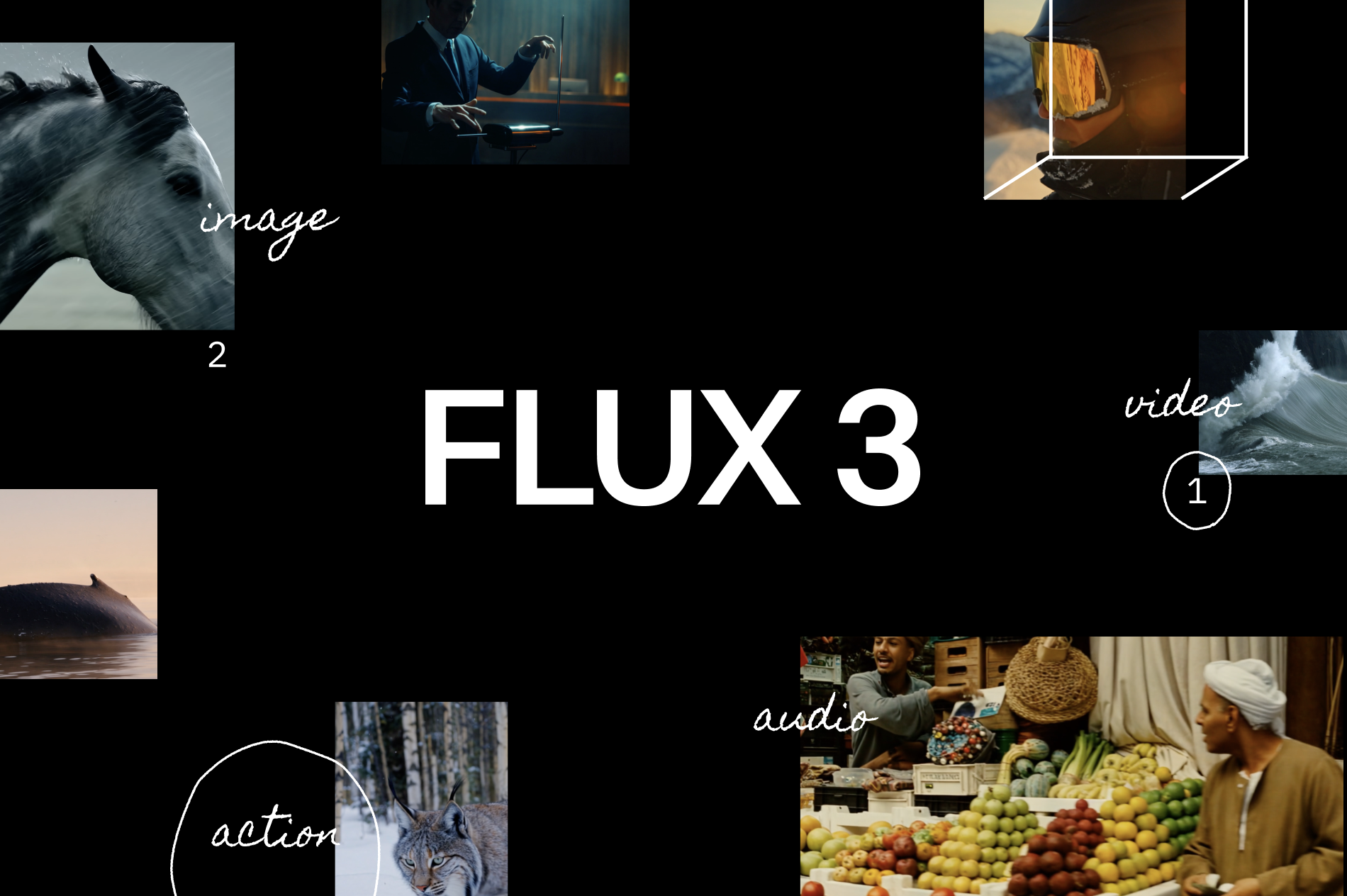
Black Forest Labs Unveils FLUX 3, a Multimodal Image, Video, Audio and Action Model
Black Forest Labs unveiled FLUX 3 on July 23, 2026 — a multimodal frontier model that jointly learns from images, video, and audio in a single unified architecture. The German lab that made its name with the open-weight FLUX.1 image models is pivoting from still images toward what it calls “visual intelligence,” with a headline […]
-
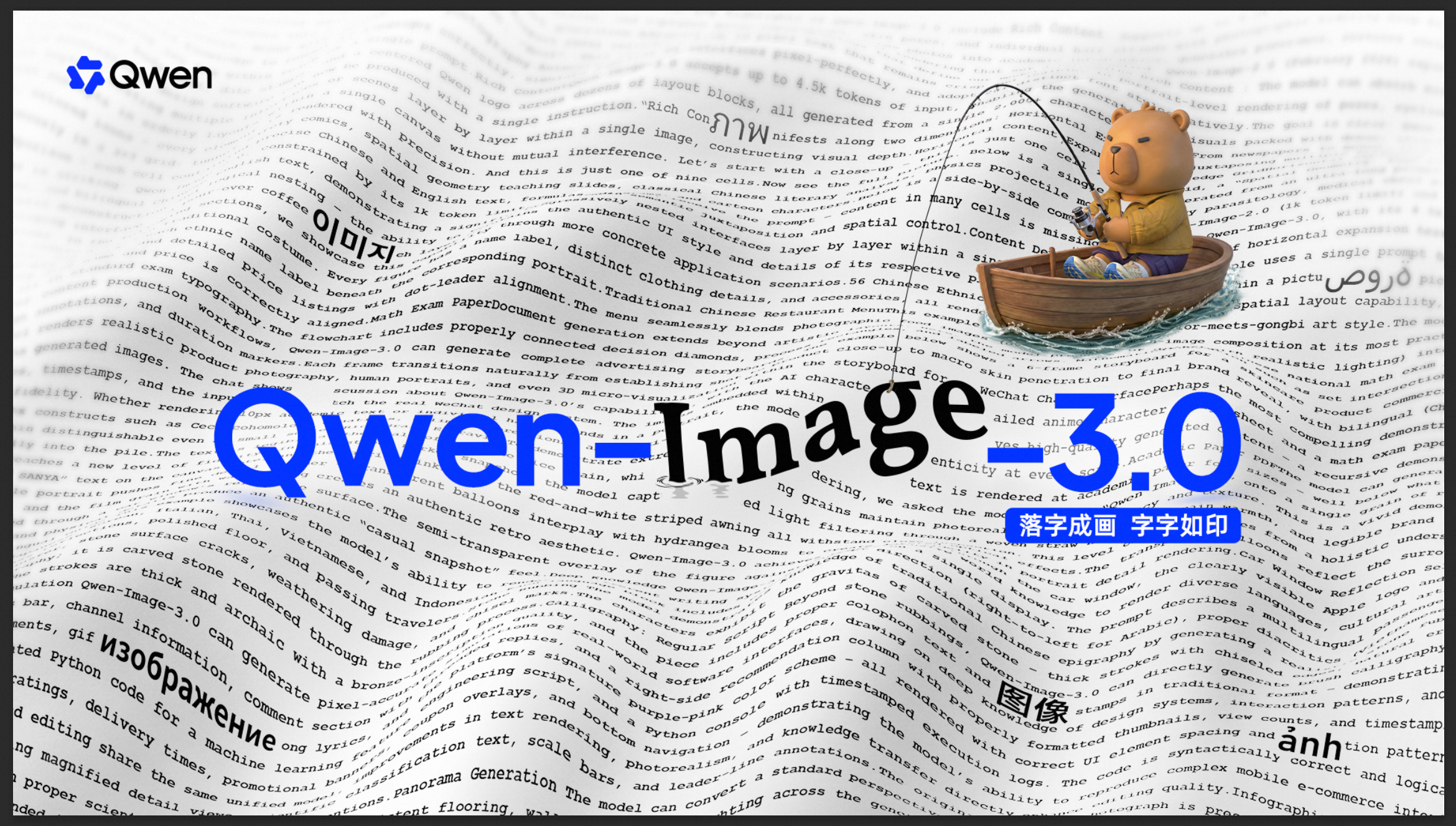
Qwen-Image-3.0: 4.5k-Token Prompts, No Benchmarks, No Weights
Alibaba’s Qwen team launched Qwen-Image-3.0 on July 21, 2026 — the third generation of its image-generation model, built around a single claim: that generated images can now be useful, not just good-looking. The headline capability is a jump to 4.5k-token prompts, roughly 4.5× the instruction length its predecessors accepted, which the team says lets the […]
-
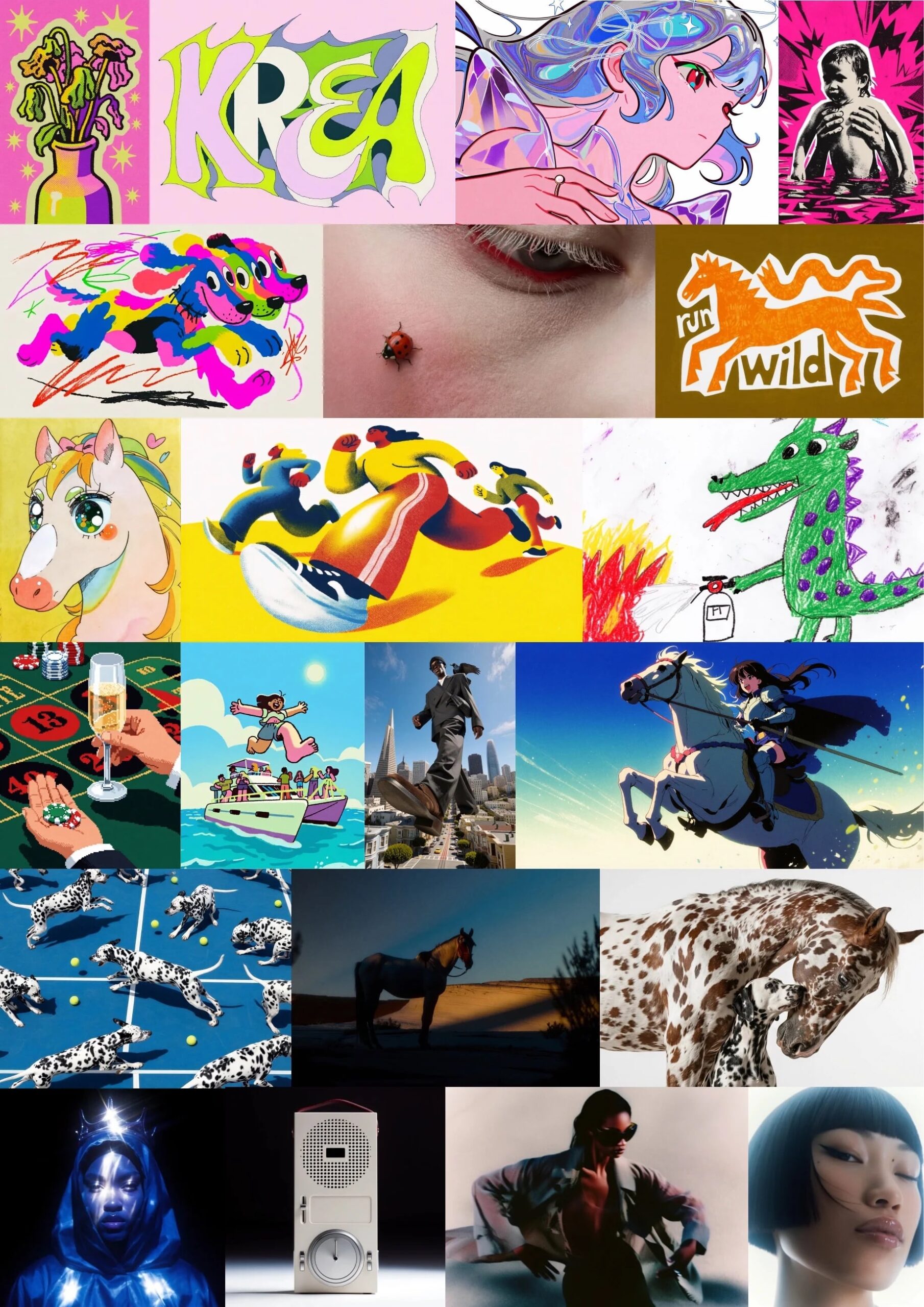
Krea 2: A From-Scratch Foundation Image Model With Style Control
Krea released Krea 2 on May 12, 2026 — its first foundation image model built completely from scratch, focused on aesthetics, style control, and creative direction. Built on a 12-billion-parameter Diffusion Transformer, Krea 2 ships as a family of variants (Medium, Large, and a 2-second Turbo) with two checkpoints — Raw and Turbo — released […]
-
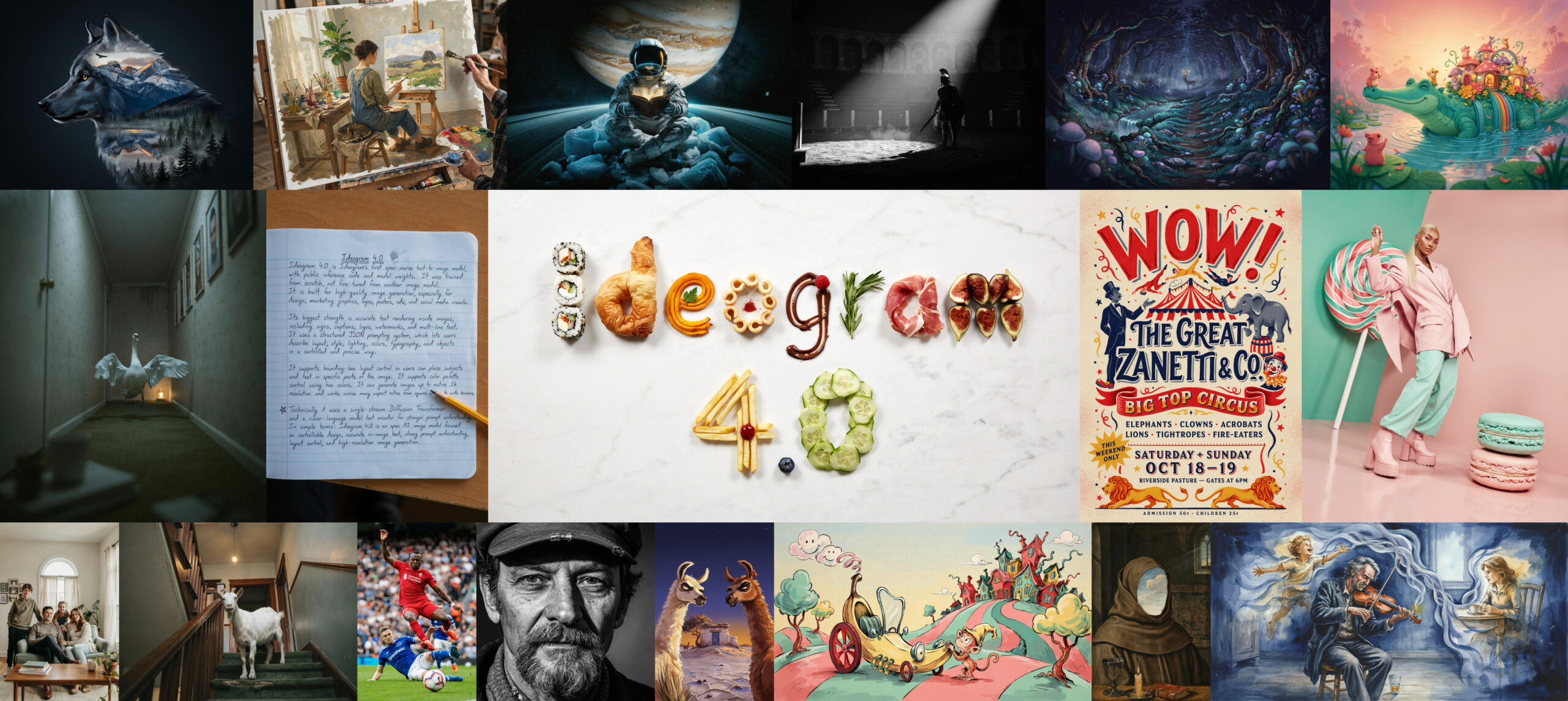
Ideogram 4.0: An Open-Weight Design Model That Renders Text
On June 3, 2026, Ideogram released Ideogram 4.0 — its first open-weight text-to-image foundation model. The 9.3-billion-parameter model ships with both weights and inference code under a non-commercial license, and immediately took the top spot among open-weight models on the DesignArena leaderboard. Built from scratch around a single-stream Diffusion Transformer and a structured JSON prompting […]
-
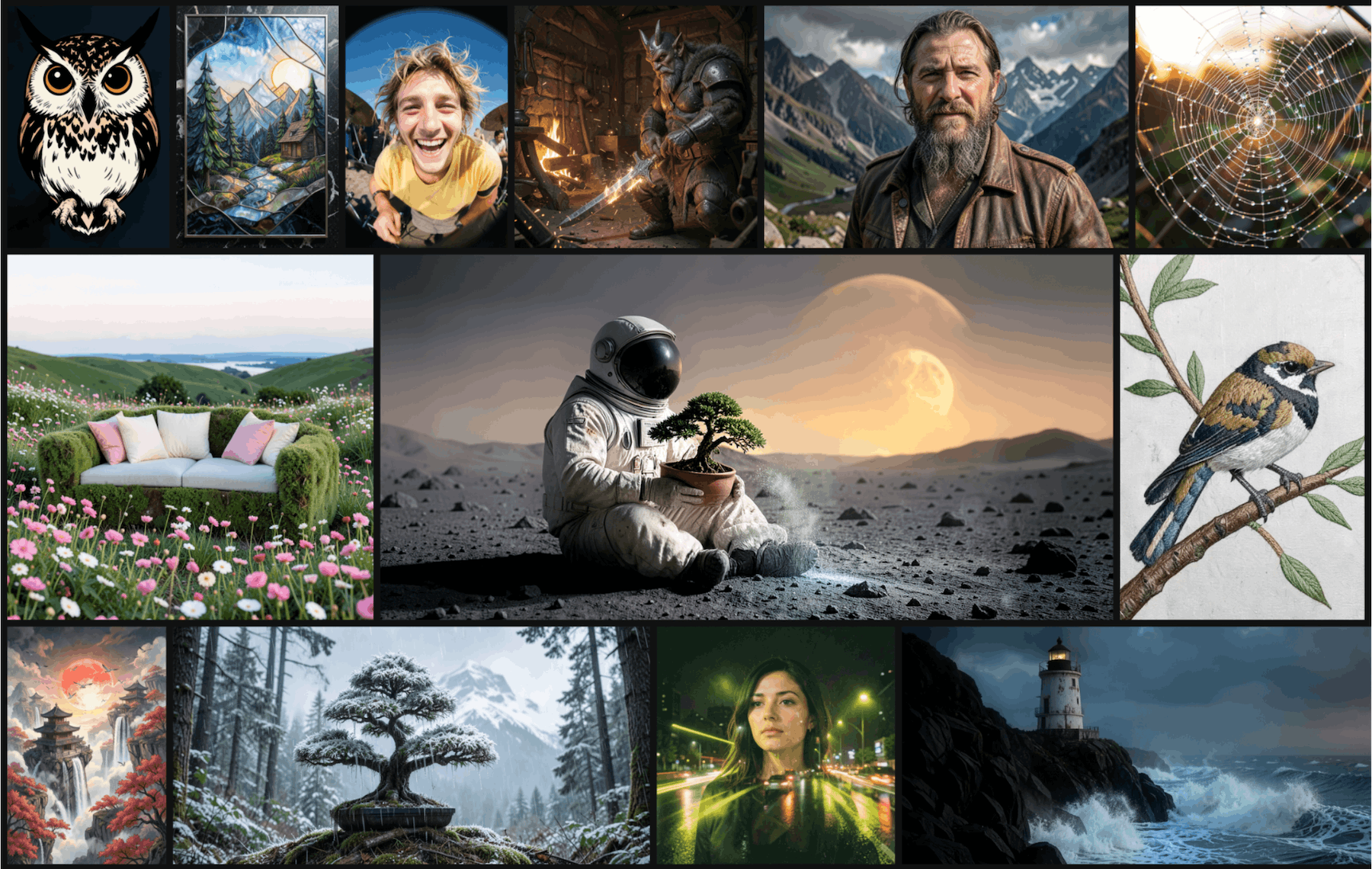
PrismML Releases 1-Bit Bonsai Image 4B for Local Generation
PrismML released Bonsai Image 4B, a 1-bit and ternary text-to-image diffusion transformer family, extending the company’s Bonsai quantization push from language models into image generation. The notable claim is local accessibility: PrismML says the models are small enough to run fully in a browser through WebGPU while still producing competitive text-to-image outputs. Intermediate Key points […]