Tag: Level: Advanced
-

SupraLabs Ships a 30M-Parameter Any-to-Any Model
SupraLabs has released Supra-A2A-Nano-Exp, an experimental ~30-million-parameter “any-to-any” model that handles text, images, and video in a single autoregressive transformer — small enough to run on a laptop CPU. Released under Apache 2.0 by the independent research group behind a string of trending ultra-small models, it is framed not as a capable generator but as […]
-
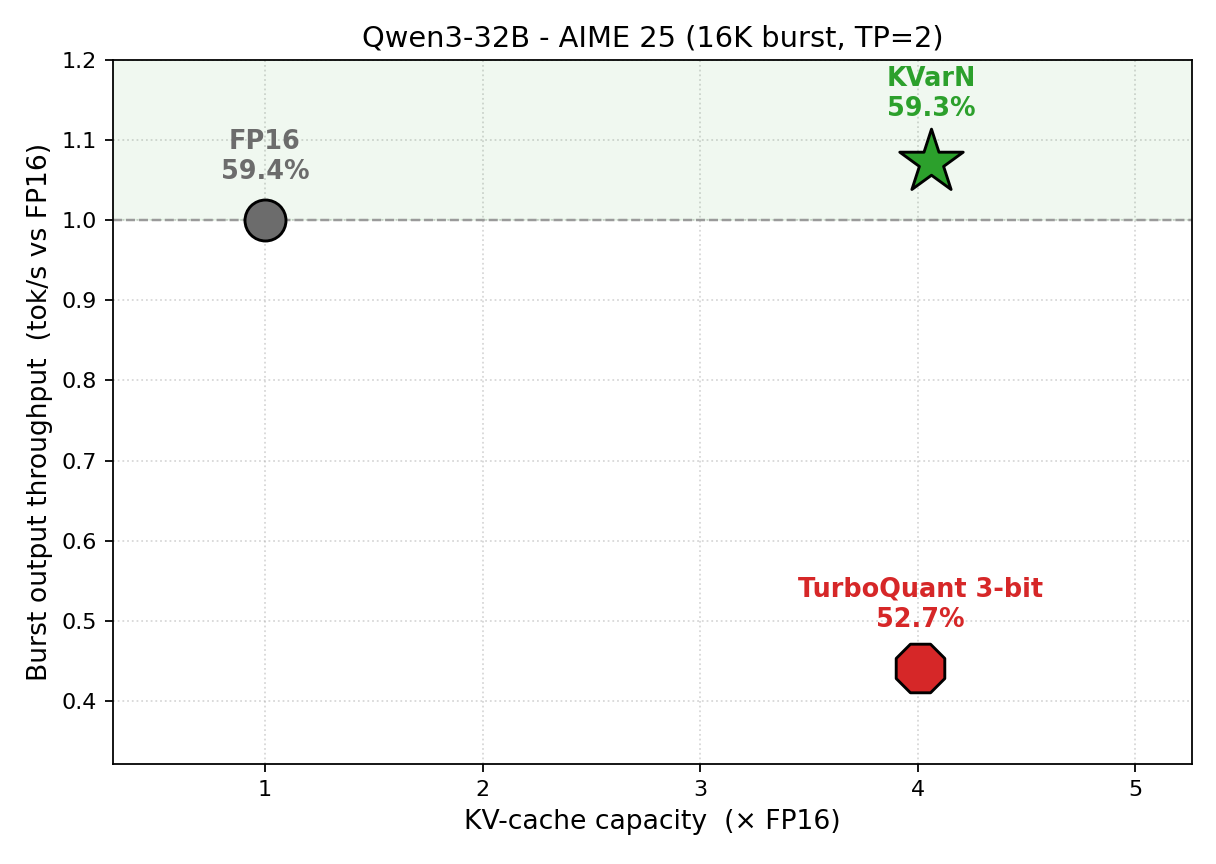
Huawei’s KVarN Hits 5x KV-Cache Capacity at FP16 Accuracy and Throughput
On June 2, 2026, Huawei researchers released KVarN — a variance-normalized KV-cache quantization backend for vLLM that breaks the long-standing tradeoff between cache compression and inference speed. KVarN delivers 3–5× more context capacity at 2-bit precision while keeping FP16-level accuracy and beating FP16 throughput, all behind a single vLLM flag with no calibration. It ships […]
-

Ideogram 4.0: An Open-Weight Design Model That Renders Text
On June 3, 2026, Ideogram released Ideogram 4.0 — its first open-weight text-to-image foundation model. The 9.3-billion-parameter model ships with both weights and inference code under a non-commercial license, and immediately took the top spot among open-weight models on the DesignArena leaderboard. Built from scratch around a single-stream Diffusion Transformer and a structured JSON prompting […]
-
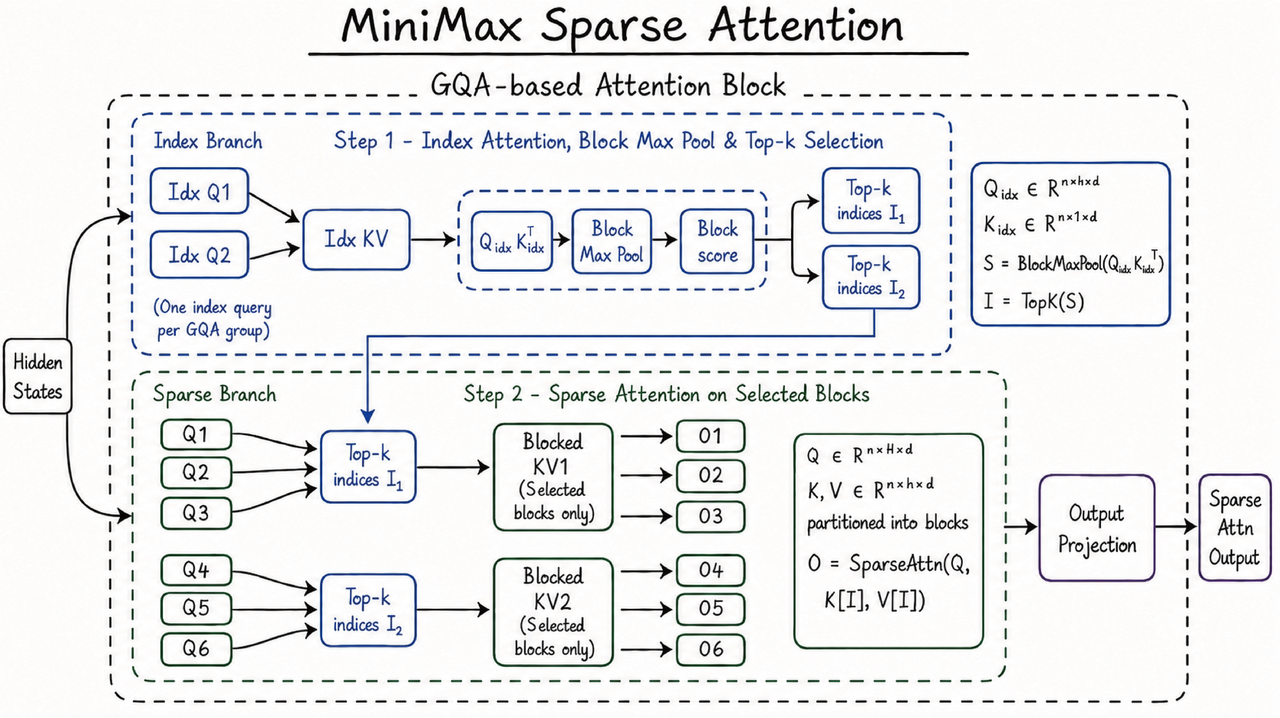
MiniMax M3: Frontier Coding, 1M Context, and Sparse Attention
MiniMax released M3 on June 1, 2026, claiming the first open-weight model to combine frontier coding, a 1-million-token context window, and native multimodality in a single architecture. The headline is not just the benchmark sheet — it is the engine underneath: a new sparse-attention mechanism (MSA) that the company says cuts per-token compute at 1M […]
-
Cactus Releases Needle: A 26M Distilled Model for On-Device Tool Calling
Cactus Compute has released Needle, an open-source 26-million-parameter model distilled from Google’s Gemini 3.1 Flash Lite for single-shot function calling. Released under the MIT license, Needle quantizes to a 14 MB INT4 footprint and is designed to run AI agents entirely on phones, smartwatches, and other consumer devices — a sharp contrast to the cloud round-trips […]
-

NVIDIA Star Elastic: One Checkpoint, Three Reasoning Models, Zero-Shot Slicing
On May 7, 2026, NVIDIA released Star Elastic — a single 30-billion-parameter reasoning checkpoint that contains two smaller production-ready models, 23B and 12B, embedded in its weights. Developers can extract the smaller variants with a one-shot slicing script, no fine-tuning required. The release introduces a “many-in-one” approach to LLM packaging that NVIDIA reports cuts post-training […]
-
Gemma 4 Gets Multi-Token Prediction Drafters: 3x Faster Inference, Same Outputs
Lead — On May 5, 2026, Google released Multi-Token Prediction (MTP) drafters for the Gemma 4 family of open models. The drafters use speculative decoding to deliver up to a 3x speedup in inference latency without changing model outputs, and they ship under the same Apache 2.0 license as the underlying models. Advanced Key points […]
-
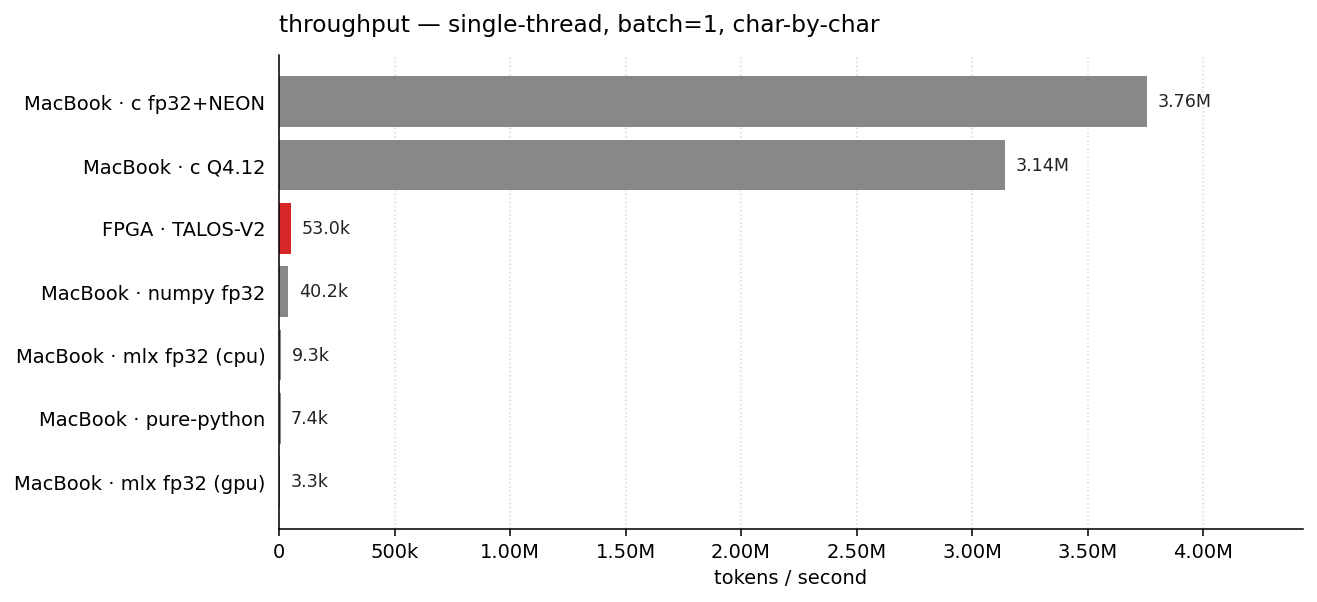
Karpathy’s microGPT on FPGA Loses to a Single MacBook Core by 71x
A custom FPGA implementation of Andrej Karpathy’s microGPT was clocked at 53,000 tokens per second — and then promptly out-run by a single M4 Max MacBook P-core doing roughly 71× the throughput in plain C. The benchmark, published on May 2, 2026 by Alex Cheema, has reignited a long-running debate in the local-AI community: when […]
-
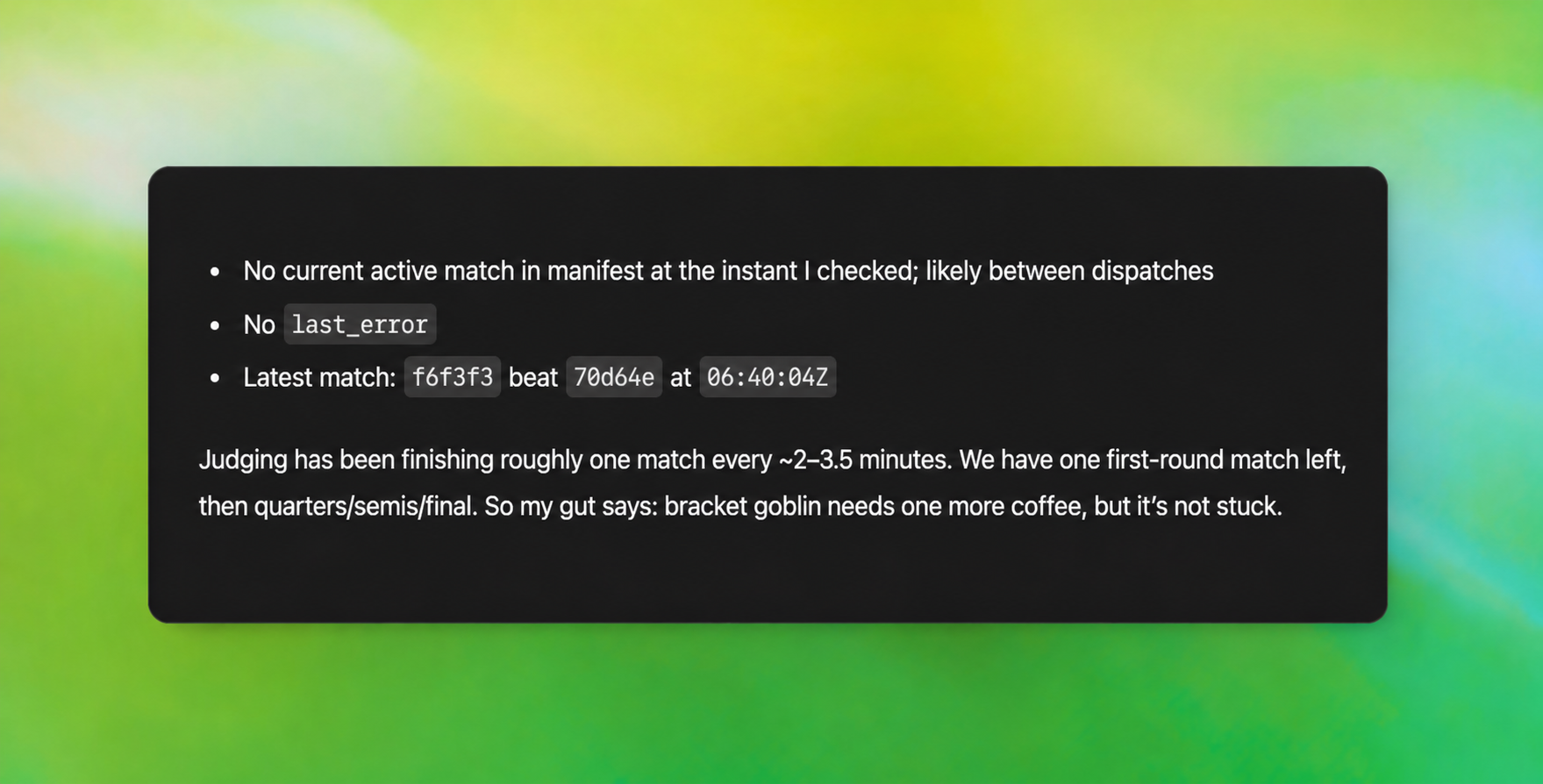
OpenAI Traces ChatGPT’s Goblin Habit to a Stray RL Reward Signal
OpenAI on April 29, 2026 published a post-mortem explaining why its recent ChatGPT models had developed a strange habit of sprinkling goblins, gremlins, and other small creatures into their answers. The cause traces back to reward signals in the “Nerdy” personality during reinforcement learning. Use of “goblin” in ChatGPT rose 175% after the GPT‑5.1 launch, […]
-

IBM Releases Granite 4.1: Dense 8B Matches Prior 32B MoE Flagship
On April 29, 2026, IBM Research released the Granite 4.1 family — a refreshed lineup of dense, decoder-only language models in 3B, 8B, and 30B parameter sizes, plus updated speech, vision, embedding, and Guardian safety models. All weights ship under an Apache 2.0 license, and the headline result is striking: the new 8B instruct model […]