Tag: open source
-
Google Ships Gemma 4 QAT Models: 72% Less VRAM, Same Quality
Lead — On June 5, 2026, Google DeepMind released quantization-aware training (QAT) checkpoints for the entire Gemma 4 family, cutting memory requirements by roughly 72% while keeping output quality nearly identical to the full-precision models. The release spans every size — from the sub-1 GB E2B edge model to the 31B dense flagship — and […]
-
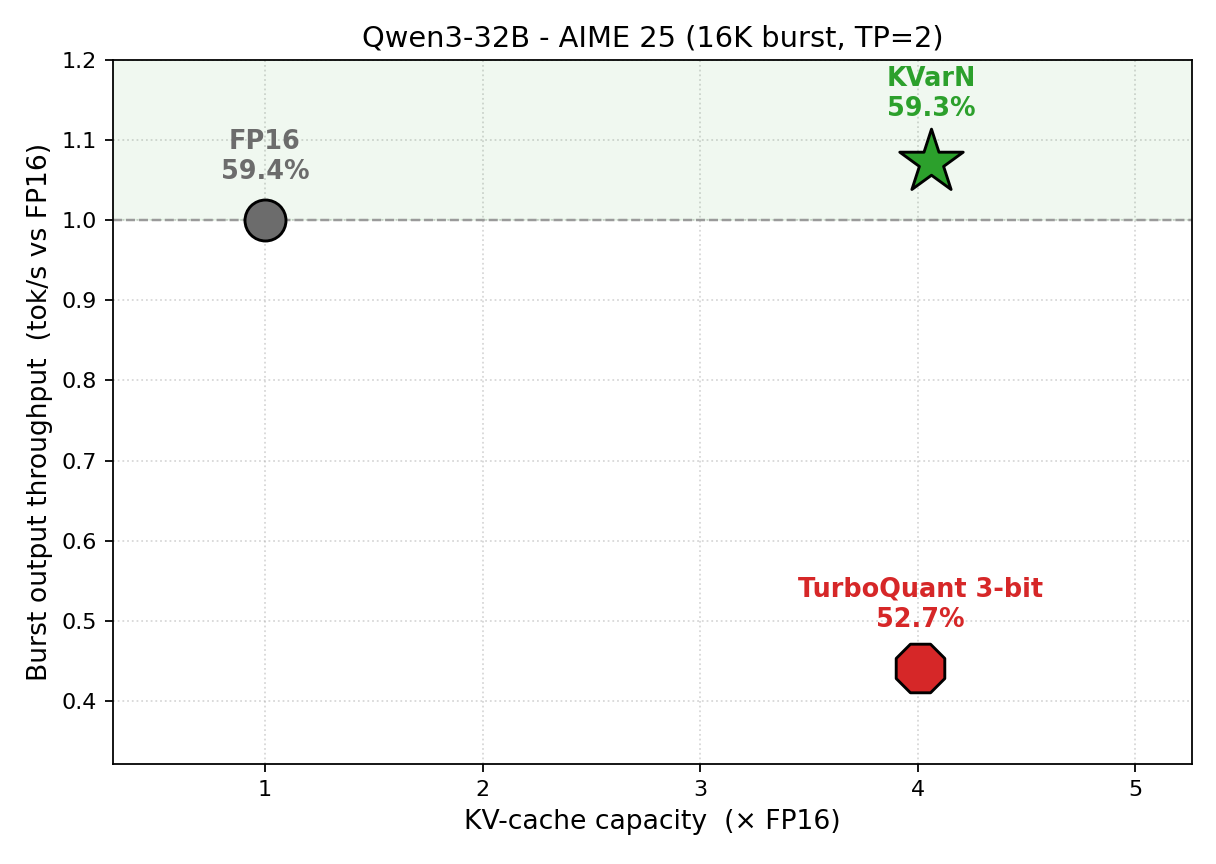
Huawei’s KVarN Hits 5x KV-Cache Capacity at FP16 Accuracy and Throughput
On June 2, 2026, Huawei researchers released KVarN — a variance-normalized KV-cache quantization backend for vLLM that breaks the long-standing tradeoff between cache compression and inference speed. KVarN delivers 3–5× more context capacity at 2-bit precision while keeping FP16-level accuracy and beating FP16 throughput, all behind a single vLLM flag with no calibration. It ships […]
-

Google Releases Gemma 4 12B: Frontier Multimodal AI on a Laptop
Lead — On June 3, 2026, Google DeepMind released Gemma 4 12B, a unified, encoder-free multimodal model that brings frontier-class intelligence to a single 16 GB laptop. The 11.95-billion-parameter model handles text, images, and audio in one decoder-only transformer, supports a 256K-token context across 140+ languages, and ships under a fully permissive Apache 2.0 license. Google […]
-
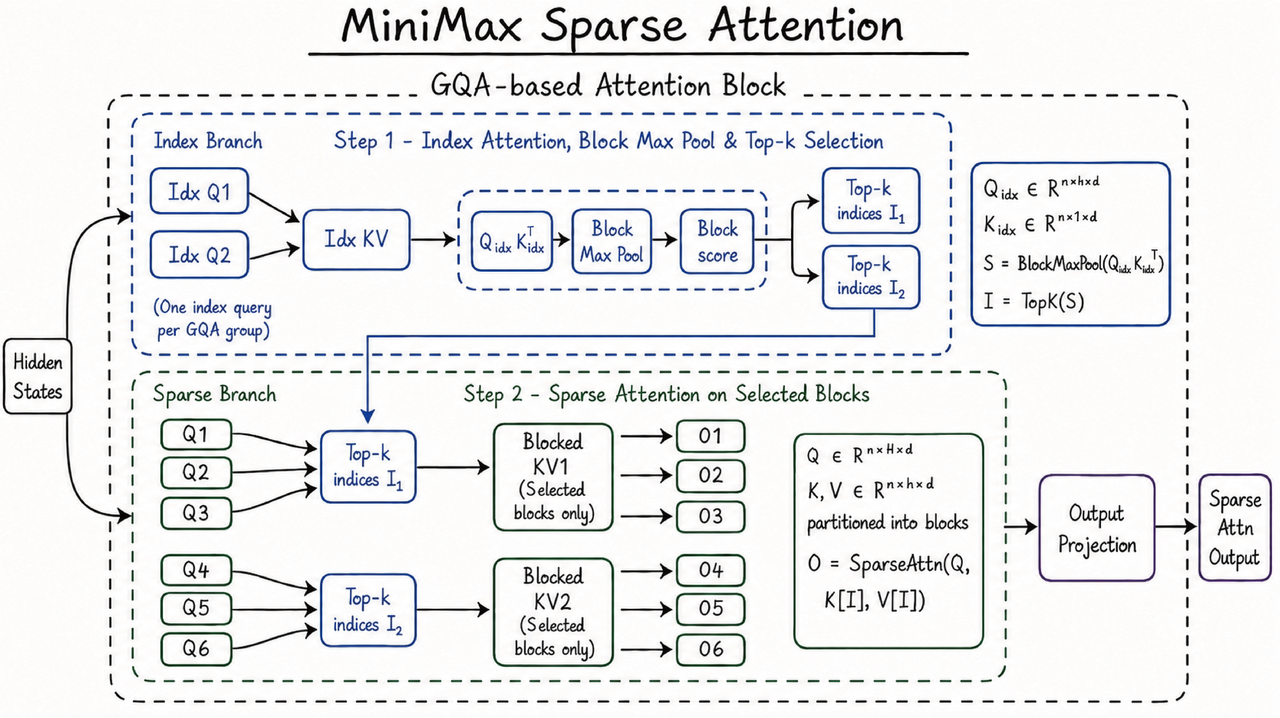
MiniMax M3: Frontier Coding, 1M Context, and Sparse Attention
MiniMax released M3 on June 1, 2026, claiming the first open-weight model to combine frontier coding, a 1-million-token context window, and native multimodality in a single architecture. The headline is not just the benchmark sheet — it is the engine underneath: a new sparse-attention mechanism (MSA) that the company says cuts per-token compute at 1M […]
-
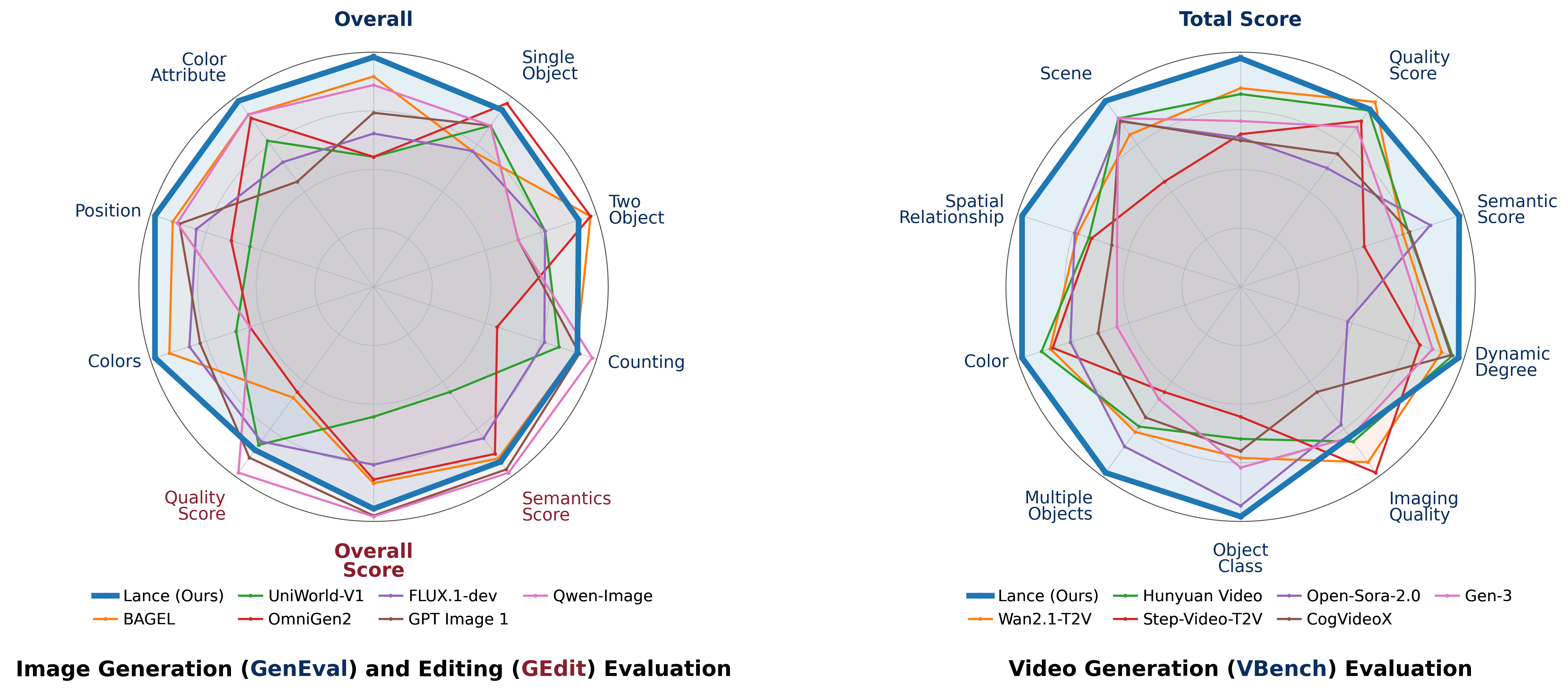
ByteDance Releases Lance, a 3B Unified Multimodal Model
ByteDance released Lance, a 3-billion-parameter native unified multimodal model, aiming to handle image understanding, text-to-image, image editing, text-to-video, and image-to-video in one lightweight open model. The release drew attention because it tries to compress a broad creative AI stack into a model size that is closer to local experimentation than cloud-only frontier systems. Intermediate Key […]
-

Cactus Releases Needle: A 26M Distilled Model for On-Device Tool Calling
Cactus Compute has released Needle, an open-source 26-million-parameter model distilled from Google’s Gemini 3.1 Flash Lite for single-shot function calling. Released under the MIT license, Needle quantizes to a 14 MB INT4 footprint and is designed to run AI agents entirely on phones, smartwatches, and other consumer devices — a sharp contrast to the cloud round-trips […]
-
NVIDIA Star Elastic: One Checkpoint, Three Reasoning Models, Zero-Shot Slicing
On May 7, 2026, NVIDIA released Star Elastic — a single 30-billion-parameter reasoning checkpoint that contains two smaller production-ready models, 23B and 12B, embedded in its weights. Developers can extract the smaller variants with a one-shot slicing script, no fine-tuning required. The release introduces a “many-in-one” approach to LLM packaging that NVIDIA reports cuts post-training […]
-

NVIDIA Releases Kimodo: Controllable Text-to-Motion for Characters and Humanoid Robots
On March 16, 2026, NVIDIA released Kimodo — a kinematic motion diffusion model that turns text prompts and sparse kinematic constraints into high-quality 3D human and humanoid-robot motion. Trained on 700 hours of commercially-friendly optical motion capture data, Kimodo ships as an open-source project on GitHub and Hugging Face, with seven model checkpoints spanning the […]
-
Gemma 4 Gets Multi-Token Prediction Drafters: 3x Faster Inference, Same Outputs
Lead — On May 5, 2026, Google released Multi-Token Prediction (MTP) drafters for the Gemma 4 family of open models. The drafters use speculative decoding to deliver up to a 3x speedup in inference latency without changing model outputs, and they ship under the same Apache 2.0 license as the underlying models. Advanced Key points […]
-
Karpathy’s microGPT on FPGA Loses to a Single MacBook Core by 71x
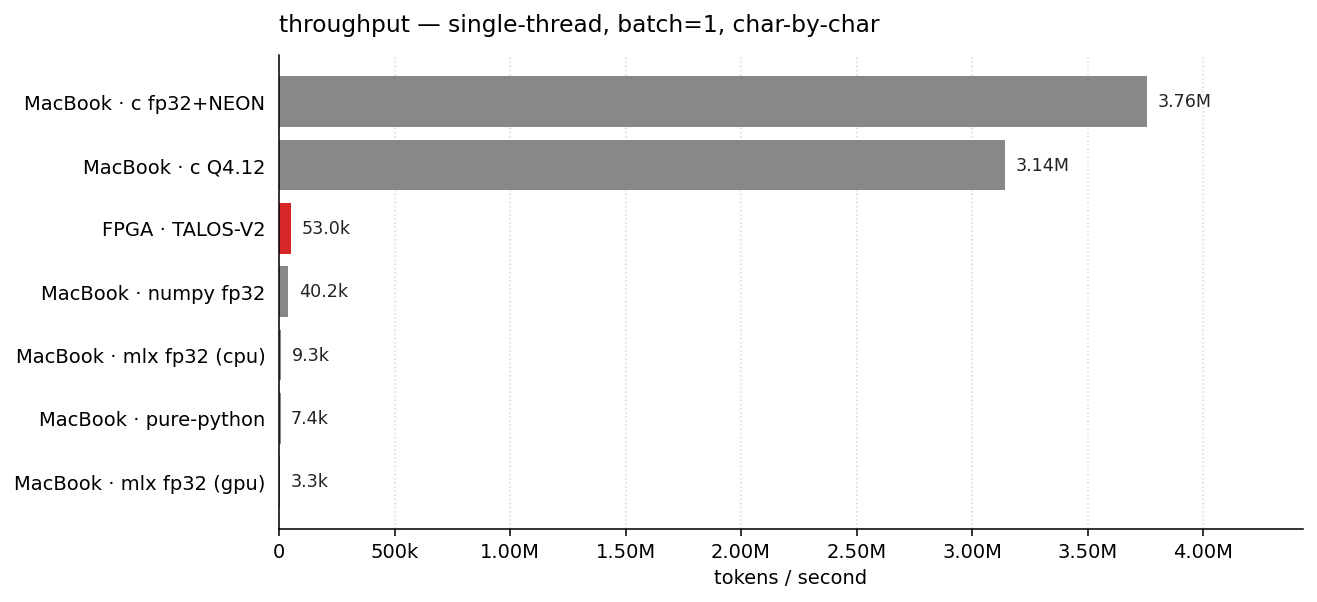
A custom FPGA implementation of Andrej Karpathy’s microGPT was clocked at 53,000 tokens per second — and then promptly out-run by a single M4 Max MacBook P-core doing roughly 71× the throughput in plain C. The benchmark, published on May 2, 2026 by Alex Cheema, has reignited a long-running debate in the local-AI community: when […]