Tag: llm
-
MiniMax M3: Frontier Coding, 1M Context, and Sparse Attention
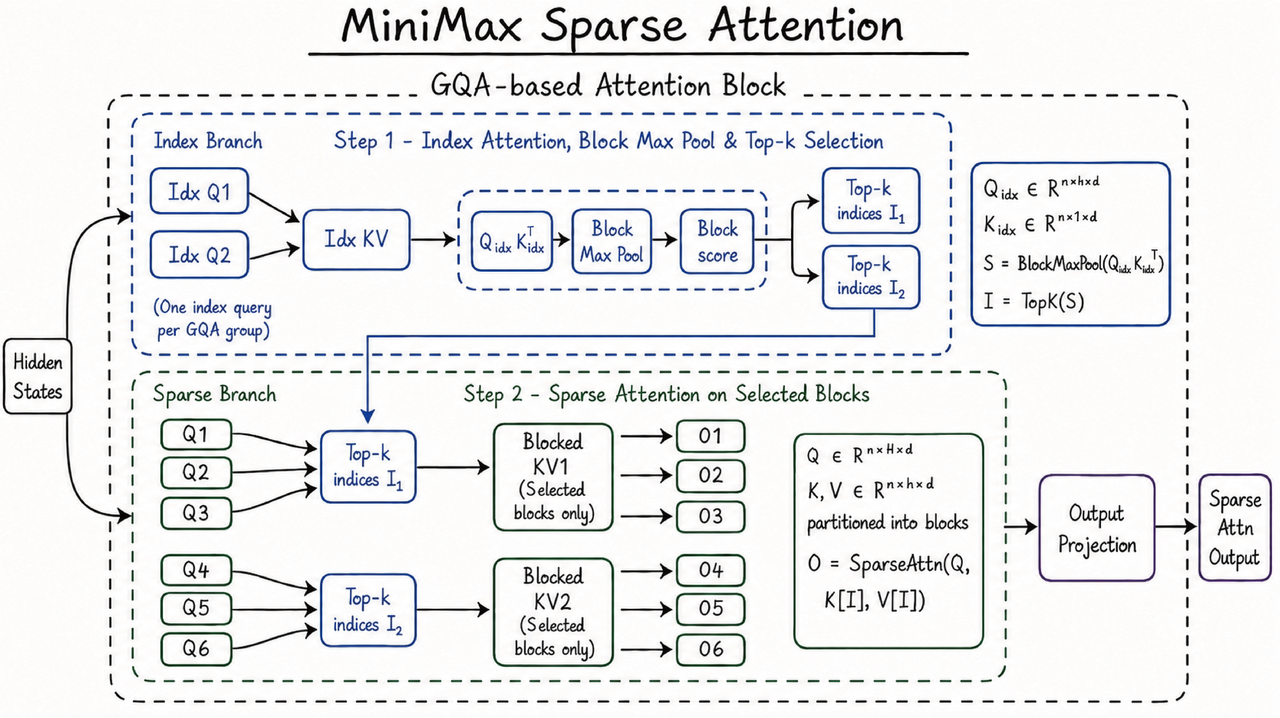
MiniMax released M3 on June 1, 2026, claiming the first open-weight model to combine frontier coding, a 1-million-token context window, and native multimodality in a single architecture. The headline is not just the benchmark sheet — it is the engine underneath: a new sparse-attention mechanism (MSA) that the company says cuts per-token compute at 1M […]
-
NVIDIA Star Elastic: One Checkpoint, Three Reasoning Models, Zero-Shot Slicing
On May 7, 2026, NVIDIA released Star Elastic — a single 30-billion-parameter reasoning checkpoint that contains two smaller production-ready models, 23B and 12B, embedded in its weights. Developers can extract the smaller variants with a one-shot slicing script, no fine-tuning required. The release introduces a “many-in-one” approach to LLM packaging that NVIDIA reports cuts post-training […]
-
Gemma 4 Gets Multi-Token Prediction Drafters: 3x Faster Inference, Same Outputs
Lead — On May 5, 2026, Google released Multi-Token Prediction (MTP) drafters for the Gemma 4 family of open models. The drafters use speculative decoding to deliver up to a 3x speedup in inference latency without changing model outputs, and they ship under the same Apache 2.0 license as the underlying models. Advanced Key points […]
-

Bleeding Llama: Critical Unauthenticated Memory Leak Hits 300,000 Ollama Servers
Cyera Research disclosed CVE-2026-7482 (“Bleeding Llama”) on May 5, 2026 — a critical, unauthenticated heap out-of-bounds read in Ollama, the popular framework for running LLMs locally. The flaw, scored CVSS 9.1 by the issuing CNA (Echo lists it as 9.3), lets an attacker exfiltrate sensitive data straight out of the server’s memory in just three […]
-
Karpathy’s microGPT on FPGA Loses to a Single MacBook Core by 71x
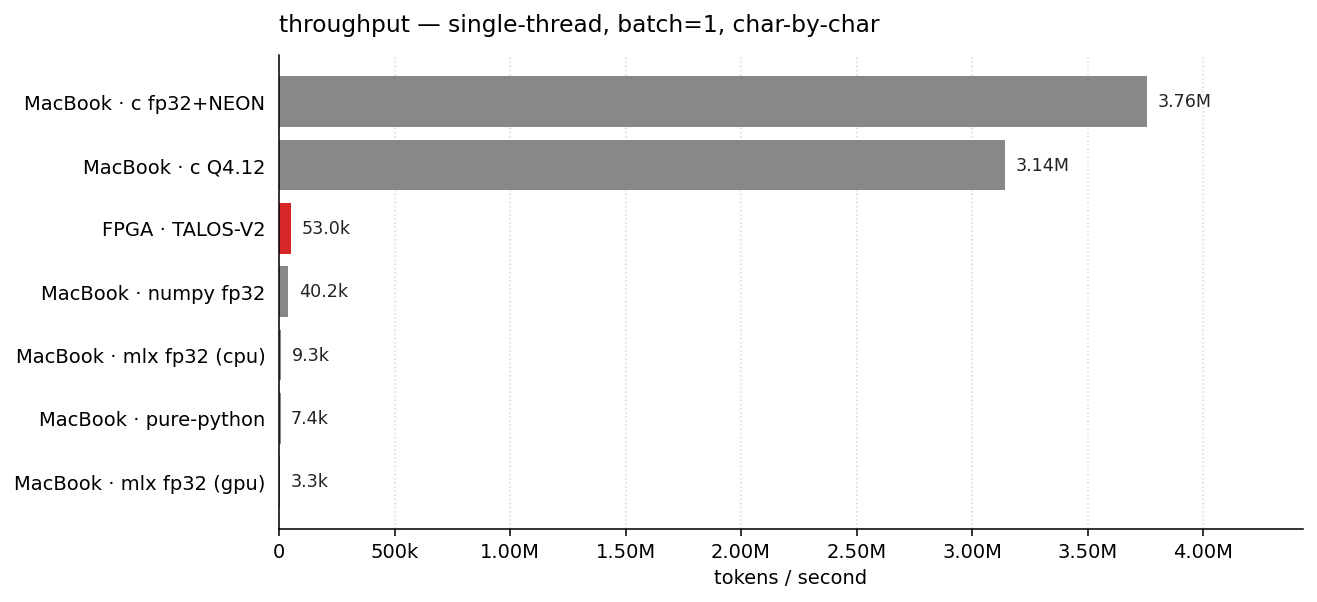
A custom FPGA implementation of Andrej Karpathy’s microGPT was clocked at 53,000 tokens per second — and then promptly out-run by a single M4 Max MacBook P-core doing roughly 71× the throughput in plain C. The benchmark, published on May 2, 2026 by Alex Cheema, has reignited a long-running debate in the local-AI community: when […]
-

IBM Releases Granite 4.1: Dense 8B Matches Prior 32B MoE Flagship
On April 29, 2026, IBM Research released the Granite 4.1 family — a refreshed lineup of dense, decoder-only language models in 3B, 8B, and 30B parameter sizes, plus updated speech, vision, embedding, and Guardian safety models. All weights ship under an Apache 2.0 license, and the headline result is striking: the new 8B instruct model […]
-
Mistral Medium 3.5 Launches with Vibe Remote Coding Agents
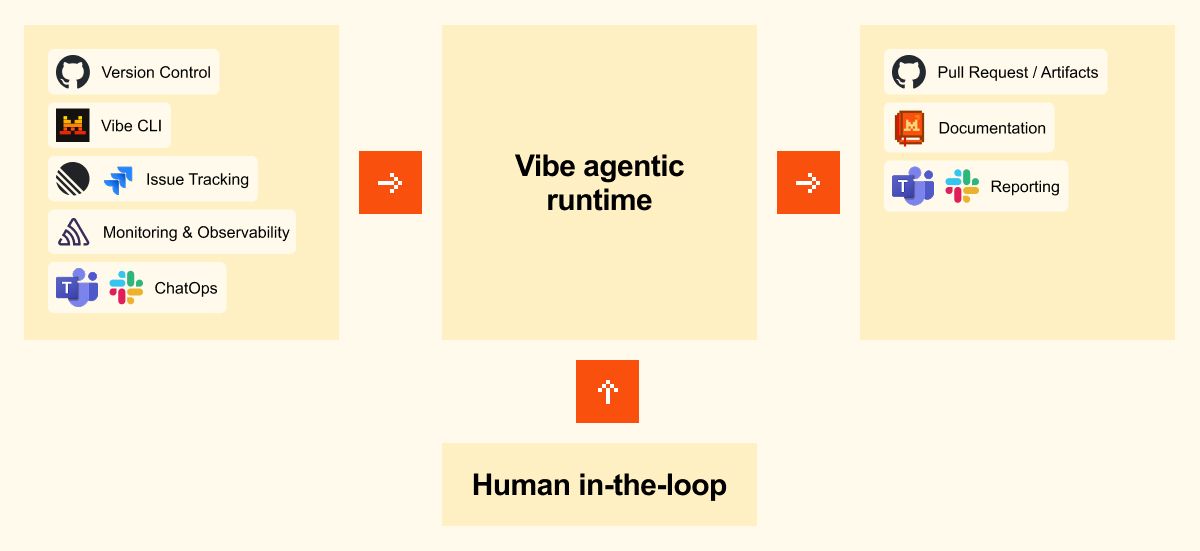
On April 29, 2026, Mistral AI launched Mistral Medium 3.5 — a 128-billion-parameter dense multimodal model with a 256k context window — alongside Vibe remote agents, a cloud-based system that runs coding sessions asynchronously and in parallel. The model unifies instruction following, reasoning, and coding into a single set of weights, replaces Devstral 2 in […]
-

Xiaomi Releases MiMo-V2.5-Pro: 1T-Parameter Open MoE Matches Frontier Coding Models
Xiaomi released MiMo-V2.5-Pro on April 22, 2026, a 1.02-trillion-parameter Mixture-of-Experts model with 42 billion active parameters that matches frontier coding and agentic benchmarks while costing a fraction of comparable closed models. The release also unifies reasoning and multimodal abilities into a single open-weights model with a 1-million-token context window. Intermediate Key points Xiaomi released MiMo-V2.5-Pro […]
-

Luce DFlash Brings 2x Speculative Decoding to Qwen3.6-27B on a Single RTX 3090
Luce DFlash now runs Qwen3.6-27B on a single RTX 3090, delivering up to 2× throughput over autoregressive decoding. The Lucebox Hub project, which hand-tunes LLM inference for specific consumer GPUs, ported its DFlash speculative decoding stack to Qwen3.6-27B in late April 2026. Because Qwen3.6-27B reuses the Qwen3.5 architecture string with identical layer and head dimensions, […]
-
DeepSeek Releases V4: Open-Source 1.6T MoE with 1M Context
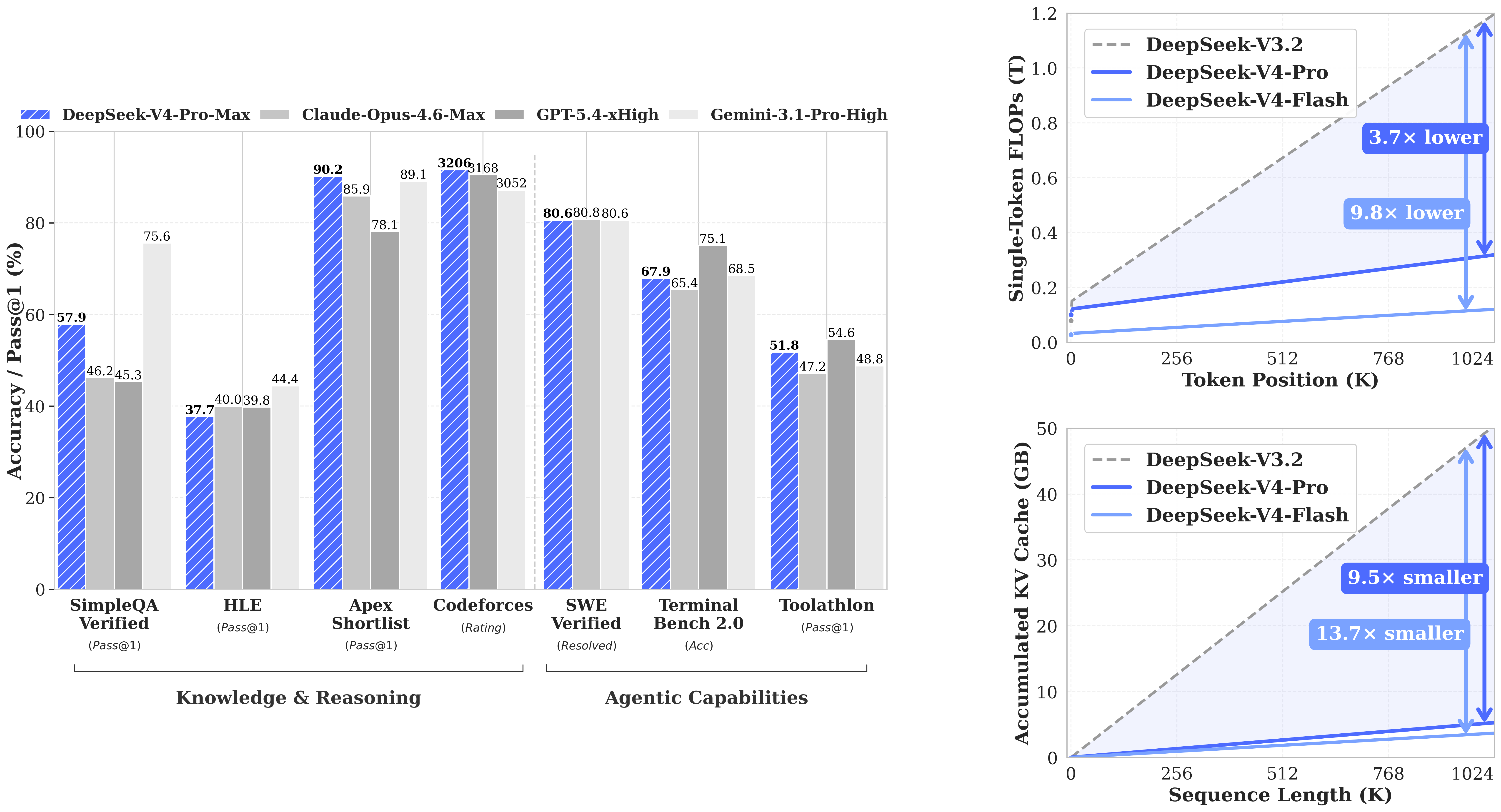
DeepSeek has launched V4, its newest flagship open-source language model, exactly one year after the V3/R1 releases that rattled Silicon Valley. Announced on April 24, 2026, the V4 family ships in two Mixture-of-Experts variants — a 1.6-trillion-parameter V4-Pro and a leaner 284-billion-parameter V4-Flash — both supporting a 1-million-token context window and both released with open […]